1. Home
  2. Hubs: tools and knowledge
  3. Disaster Risk Communication hub
Uploaded on
Tsunami awareness event in Timor-Leste, 2025
Emiliano Rodriguez Nuesch
Tsunami risk is already well known in many coastal communities, but translating awareness into sustained engagement and action remains a challenge. For World Tsunami Awareness Day 2025, agencies explored whether music could help bridge that gap.
Man outdoors checking weather forecast on his mobile phone
Dr Susan Joslyn
In this instalment in the Careers in Resilience series, PreventionWeb interviewed Susan, reflecting on her career and exploring what it takes to support better decision-making in the face of uncertainty.
News
Sanjay Saifi
Risk communication is the bridge between science and preparedness. If academic research continues to prioritise prediction without equally focusing on how warnings are understood and acted upon, early warning systems will remain socially ineffective.
Shinjuku area in Tokyo, full of shopping malls, electrical appliance stores, fashion stores, second-hand goods, and restaurants. It is the largest night entertainment area in Japan
Patrick Cadwell
The last two decades in Japan reveal a steady increase in the language of inclusion, and a more detailed consideration of how to engage foreign nationals in DRR. There is a lot of good to take away from this more inclusive DRR policy in Japan.
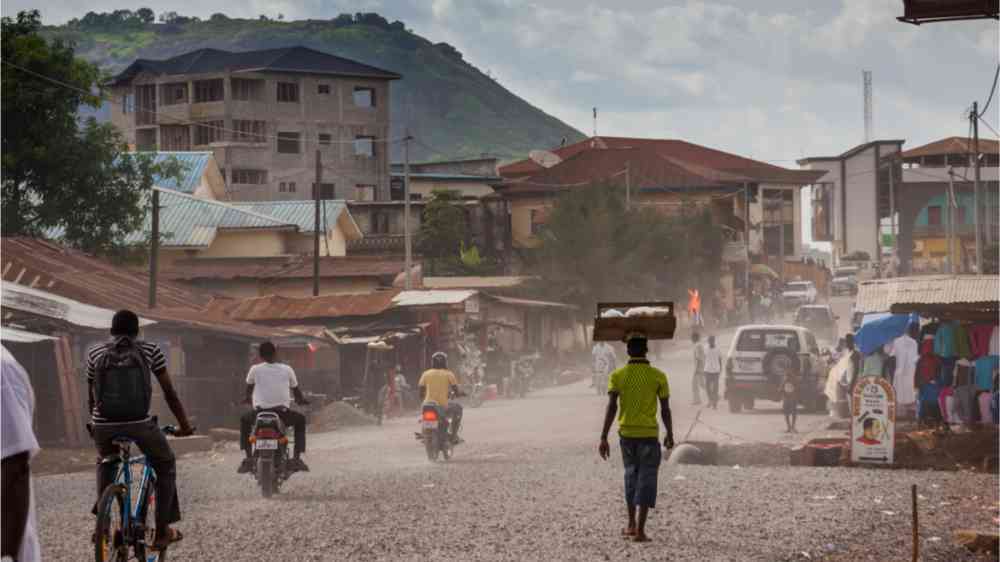
A group of people walk trought the heat along the Makeni highway in Sierra Leone
Pious Mannah
The blog highlights how overcoming language and literacy barriers through translation, audio tools and gamified learning has strengthened inclusive disaster risk communication and community resilience in Sierra Leone.
A man is shooting videos at the waterfront of Heng Fa Chuen on the east of Hong Kong Island when rough waves hit the promenade during Severe Typhoon Mangkhut's strike in 2018.
Ilan Kelman
To avoid disasters, our actions ought to be about cooperating and living with nature – and with each other – without harm, including without harming ourselves. We should recognise and implement the worldviews that humanity and nature are intertwined.
Villagers on Tanna Island, Vanuatu, perform traditional ceremonies in the shadow of Mt Yasur, an active volcano.
Maëlle Calandra
Maëlle Calandra, a disaster anthropologist and a research fellow was interviewed by PreventionWeb to find out how disasters on the island of Tongoa and the socio-cultural realities of its people interact in such a hazard-prone area.
Telephone booth in a flooded street during the October 2010 flooding of Nakhon Ratchasima in Thailand.
Shivangi Chavdaa
Too often, early warning systems are built as technical tools, not community systems. They are driven by data, forecasts, and algorithms - but they fail to ask: will people understand and act on this?
Women planting mangrove trees in Sathkhira, Bangladesh on January 6, 2021.
Md. Mahbub Ul Hassan Sharan
A recent study shows 89% of people are aware of climate change, yet over 80% still take no action. Why does awareness fail to become resilience?
Graphic drawing communication with a thought
Anni Fordham
When emergencies strike, clear communication saves lives. Yet, accessing critical information remains challenging for many culturally and linguistically diverse communities.