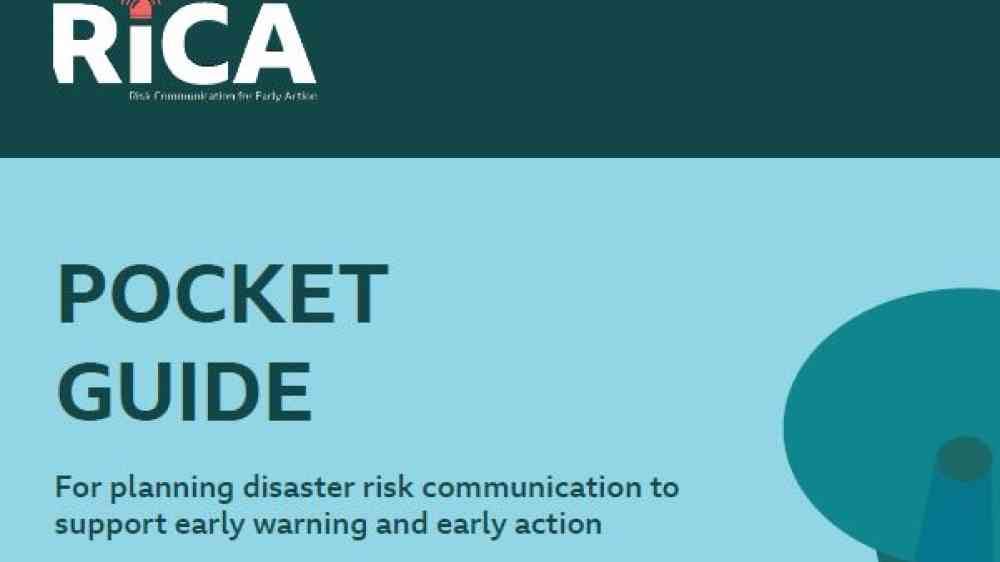
Planning disaster risk communication to support early warning and early action

Disaster Risk Communication Hub

Practical guidance and tools for effective risk communication
Collage of two big arms holding a dialogue bubble

The Disaster Risk Communication Hub supports practitioners across sectors to plan and deliver public risk communication that helps people understand risk and take informed action.

Drawing on practical guidance from the Risk Information for Early Action project (BBC Media, 2024), the Hub supports practitioners through the main stages of a risk communication strategy:

ands pulls a thread from a tangled ball. Concept of problem solving and eliminating uncertainty.
1. Understand
Take time to assess the people, problems and context related to your topic – including the local media and communication context.
Collage with a woman's hand holding a light bulb. The collage is based on the study and education concept.
2. Plan
Consider exactly what you aim to achieve with your communication, how it will happen, and why you think it will work.
Collage with hands holding speech bubbles based on the concept of communication.
3. Do
Communicate in ways that reach and resonate with diverse audiences and support your specific aims.
Collage on the checklist concept
4. Improve
Learn from what worked and what did not, over the short-term and longer-term.

Expert pieces

Effective disaster risk communication goes beyond sharing information – it influences decisions and saves lives. In this section, experts share lessons from the field, unpack communication challenges and offer practical insights to improve how risk messages reach and resonate with people at risk.
 Cascading ice–rock avalanche multi-hazard early warning in the Bhote Koshi–Trishuli River Corridor  thumbnail
Documents and publications

This article reconstructs the 26 August 2026 Bhote Koshi-Trishuli cascade in Nepal, analyzes downstream propagation, & evaluates early warning system elements, proposing a two-stage framework for hazard detection & emergency response in mountain corridors

Multidisciplinary Digital Publishing Institute
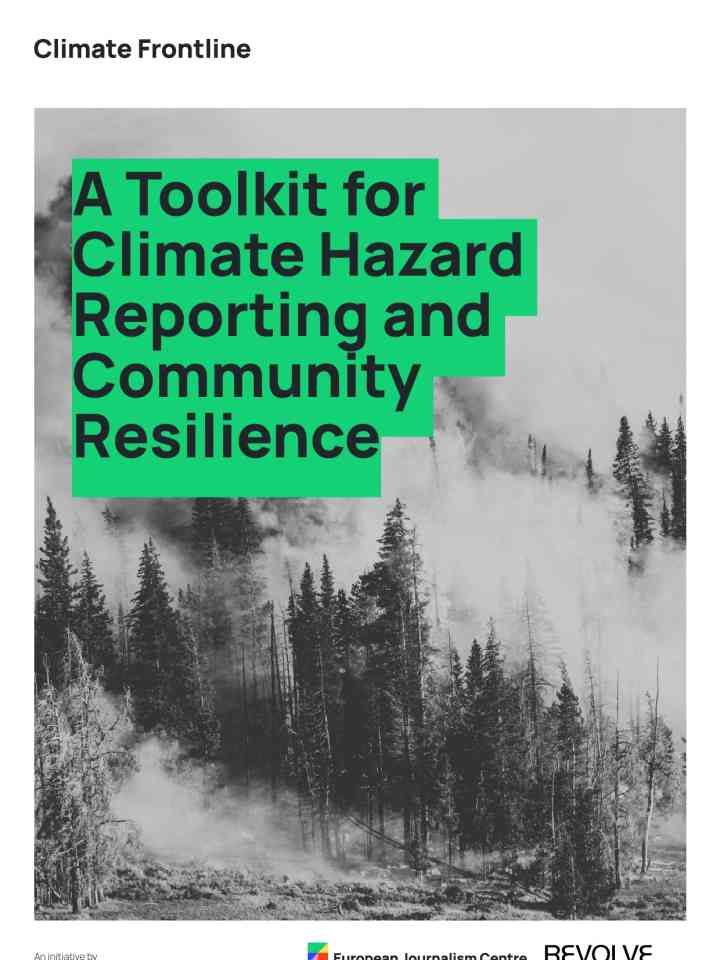
A Toolkit for  Climate Hazard  Reporting and  Community  Resilience thumbnail
Documents and publications

This toolkit provides practical guidance for journalists reporting on climate hazards, highlighting how preparedness, trusted information and community-centered coverage can support disaster risk reduction and resilience.

European Journalism Centre
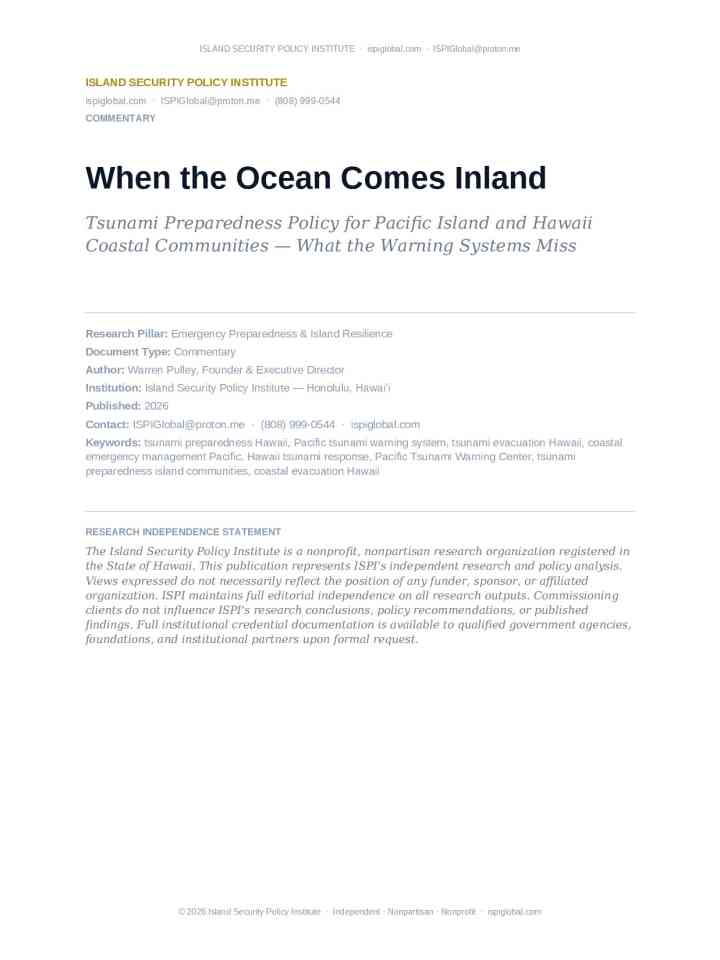
When the ocean comes inland: Tsunami preparedness policy for Pacific island and Hawaii coastal communities — What the warning systems miss thumbnail
Documents and publications

This commentary examines how tsunami warnings translate into evacuation in Pacific Island and Hawaiʻi coastal communities, recommending multilingual alerts, evacuation route analysis, and community-based preparedness programmes.

Island Security Policy Institute
Resilience-building games
Update
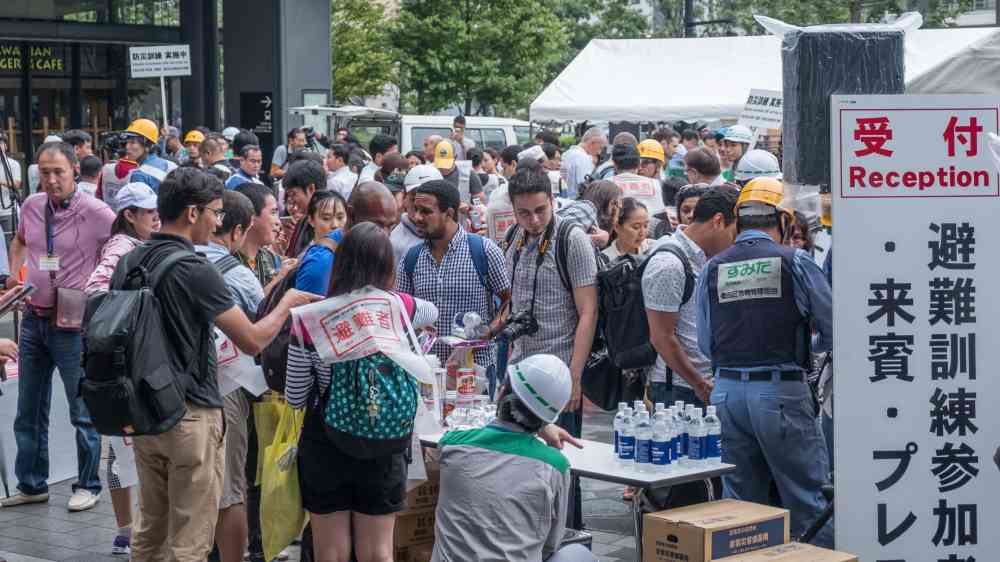
IDDRR: Geneva students take disaster preparedness home

A hands-on experience of disaster risk reduction helps equip the next generation for a resilient future.

United Nations Office for Disaster Risk Reduction (UNDRR)
Powerful hurricane Melissa seen from space with a clearly defined eye over the Caribbean sea, Octoner 2025.
Research briefs
Hurricane graphics improve awareness, not risk perception

A study found that updated hurricane forecast graphics help people identify inland watch areas but don't improve risk perception or protective intentions, highlighting the need for clearer local impact information to support safety decisions.

Florida State University
HEAT: POST-PROJECT REFLECTION REPORT  thumbnail
Documents and publications

The Harmful Environmental Agendas and Tactics (HEAT) project examined climate-related misinformation and harmful narratives circulating across France, Germany, and the Netherlands.

EU DisinfoLab
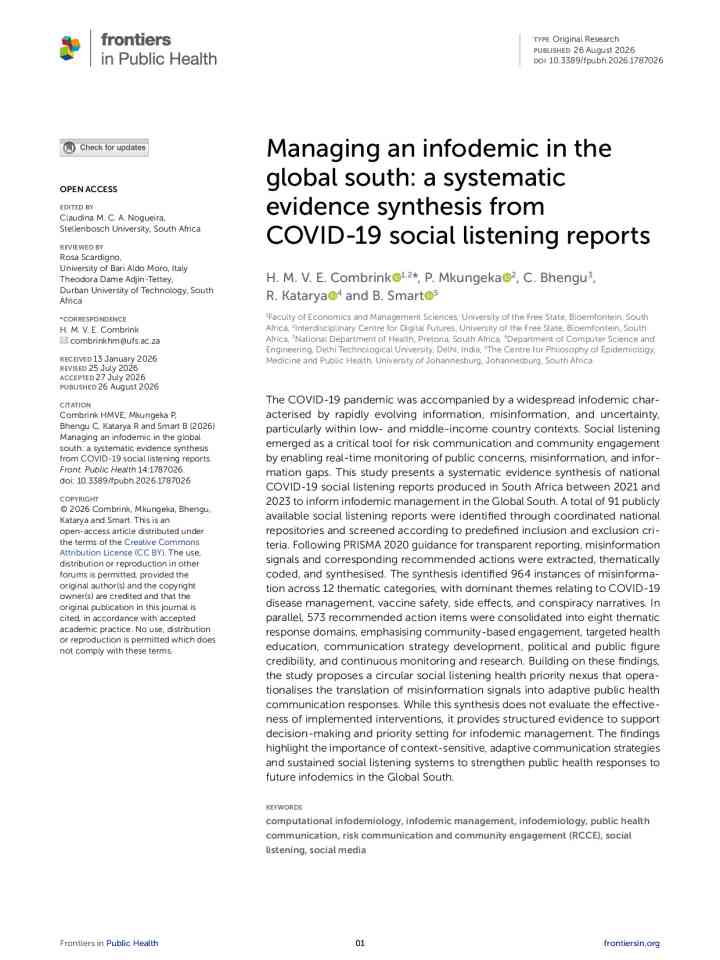
Managing an infodemic in the global south: a systematic evidence synthesis from COVID-19 social listening reports thumbnail
Documents and publications

This study analyses COVID-19 misinformation in South Africa, highlighting how continuous social listening and community-based communication can inform more adaptive responses to public health misinformation.

Frontiers in Public Health
Alpine hazards, cultural memory, and storytelling's relevance for collective  risk communication and disaster processing: A scoping review thumbnail
Documents and publications

This study examines how storytelling and cultural memory can strengthen risk communication in Alpine communities, helping translate hazard information into protective action, collective resilience and disaster recovery.

Progress in Disaster Science (Elsevier)
Associations between early warning message completeness, reception mode, and protective action across four at-risk communities in Ethiopia and South Africa thumbnail
Documents and publications

This study examines early warning messages in Ethiopia and South Africa, finding that direct recipients reported more complete warnings and were more likely to take protective action than those receiving information indirectly.

International Journal of Disaster Risk Science
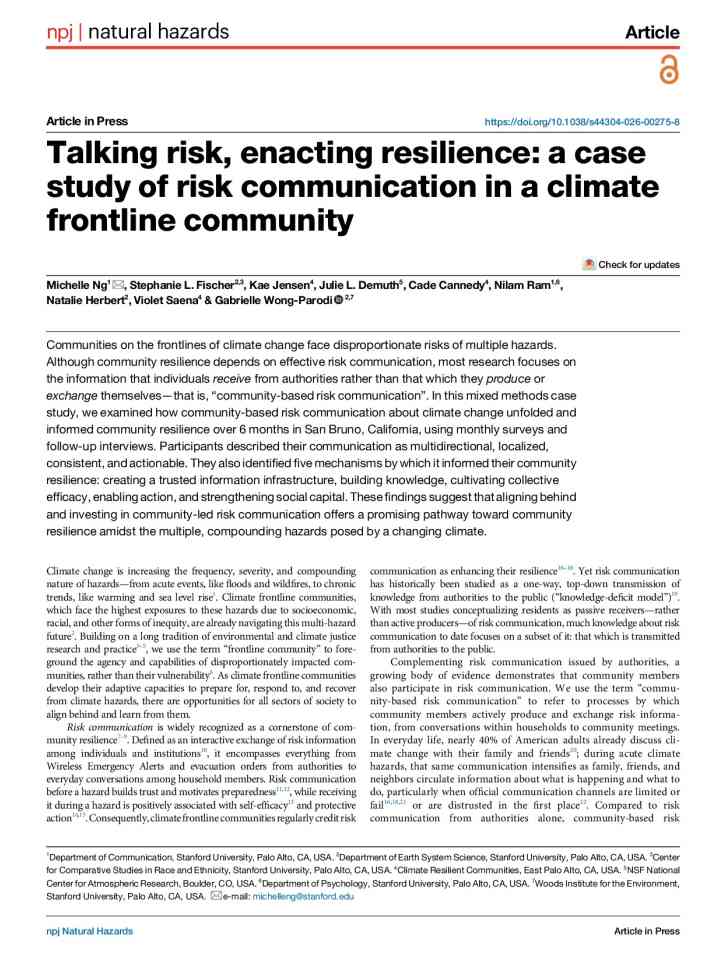
Talking risk, enacting resilience: a case study of risk communication in a climate frontline community thumbnail
Documents and publications

This study examines community-based climate risk communication in California, showing how locally driven information exchange can strengthen trust, collective action and resilience to multiple hazards.

Natural Hazards (Springer)
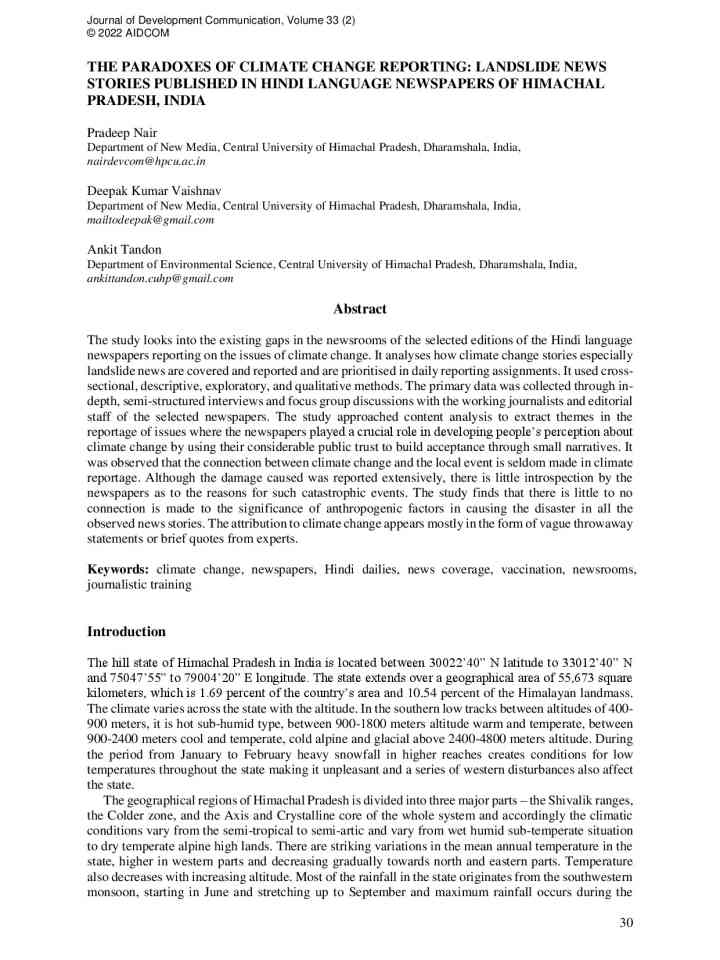
The Paradoxes of Climate Change Reporting: A study of landslide news coverage in Hindi language newspapers of Himachal Pradesh, India thumbnail
Documents and publications

The study looks into the existing gaps in the newsrooms of the selected editions of the Hindi-language newspapers reporting on the issues of climate change.

Journal of Development Communication
Launch ceremony of the inclusive early warning initiative in Lao PDR
Update
Lao PDR launches competition to make early warnings reach everyone

The Government of Lao PDR, supported by the United Nations, NGOs and CSOs, launch an inclusive risk communication initiative and a video competition on the International Day for Disaster Risk Reduction to improve early warnings.

United Nations Office for Disaster Risk Reduction - Regional Office for Asia and Pacific
Lao People's Democratic Republic - government
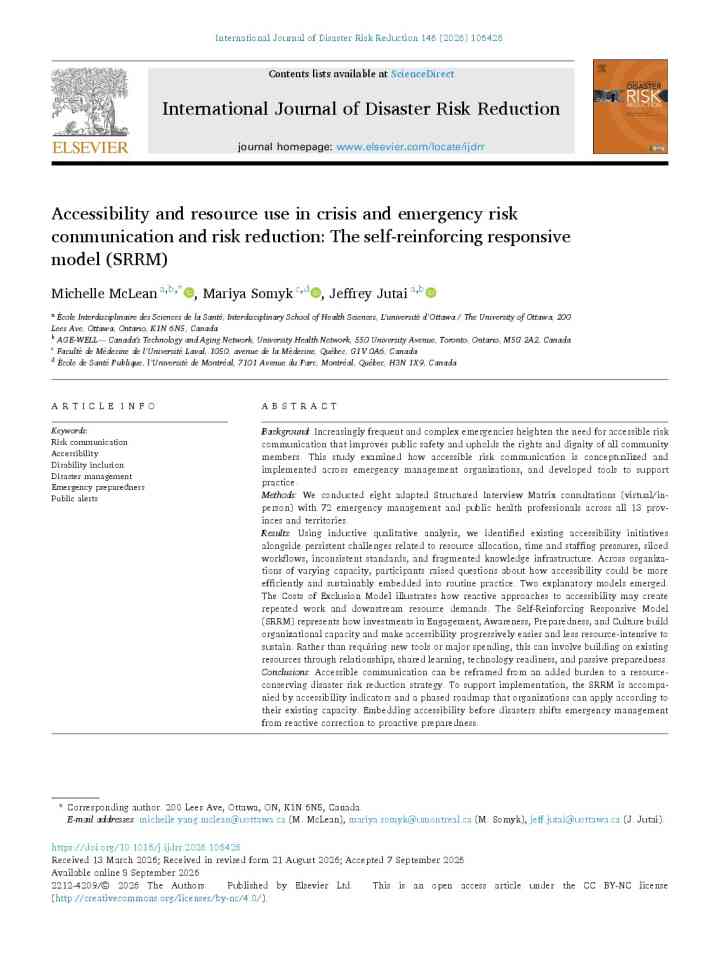
Accessibility and resource use in crisis and emergency risk communication and risk reduction: The self-reinforcing responsive model (SRRM) thumbnail
Documents and publications

This study examines how Canadian emergency management organizations conceptualize and implement accessible risk communication

International Journal of Disaster Risk Reduction (Elsevier)
Smartphone displaying a flash flood warning alert screen, held by a person standing near rising floodwaters. Concept for emergency notification, natural disaster preparedness, and weather alerts
Pramod Dabrase
This blog's author suggests moving from early warning to early action requires connecting authoritative risk intelligence with people's current location, capabilities and ability to act.
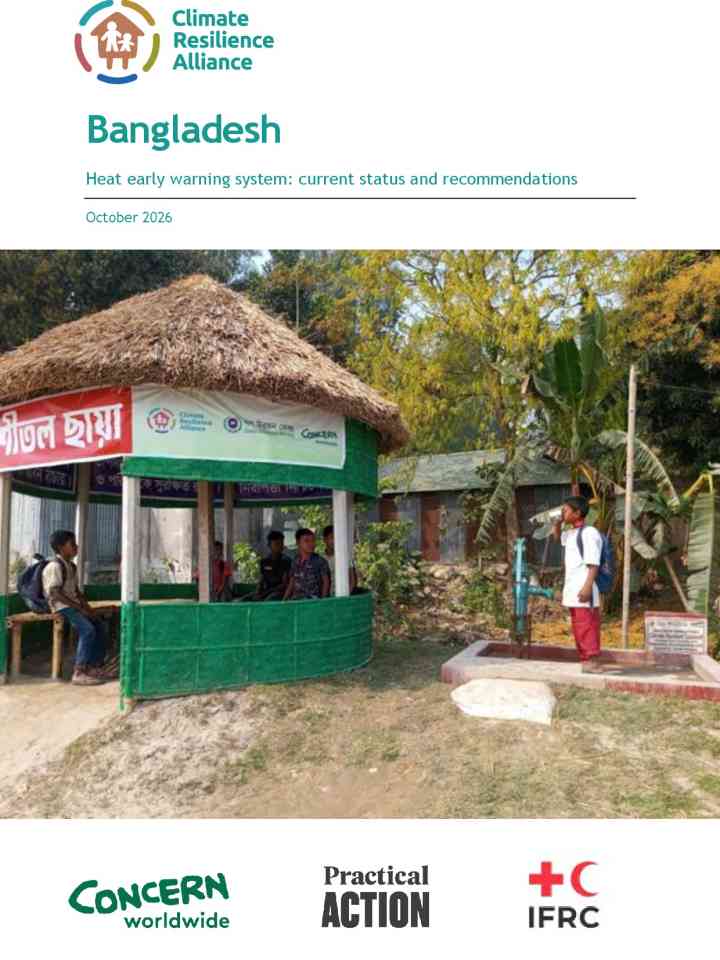
 Heat early warning system in Bangladesh: Current status and recommendations thumbnail
Documents and publications

This case study examines the current status of Bangladesh’s heat early warning system, outlining how heat risk is understood, monitored, and communicated, and how warnings prompt actions across institutions.

International Federation of Red Cross and Red Crescent Societies (IFRC)
Earthquake risk in Accra, Ghana: Household perceptions, awareness, and preparedness in a rapidly urbanising metropolis thumbnail
Documents and publications

This study examines household earthquake risk awareness and preparedness in Ghana’s Greater Accra Metropolitan Area, revealing high awareness but low preparedness. Education and prior tremor experience significantly predict readiness.

International Journal of Disaster Studies and Climate Resilience (IJDSCR)
How to communicate and educate more effectively on natural risk issues to improve disaster risk management through serious games thumbnail
Documents and publications

This study examines how serious games can support disaster risk management education, identifying design features that improve risk communication, learning and preparedness.

University of Granada
COMMUNICATING CLIMATE RISK A TOOLKIT thumbnail
Documents and publications

The Toolkit seeks to narrow the gap between climate science and climate action by providing insights, recommendations, and practical tools to support dialogue between scientists, decision-makers, and many diverse communities.

University of Sussex
The value of journalism: global evidence on why media matters to economies, national security and crises thumbnail
Documents and publications

The chapter 4 "National security and stability" examines how journalism can reduce the harms of disinformation, showing how trusted news, fact-checking and media freedom support public resilience, security and stability.

United Nations Educational, Scientific and Cultural Organization (UNESCO)
A universal taxonomy for natural hazard and climate risk and resilience assessments – Infrastructure edition thumbnail
Documents and publications

A framework providing a universal taxonomy for natural hazard and climate risk and resilience assessments of infrastructure systems, defining Risk Classes, Resilience Classes and guidance for hazard, climate and infrastructure assessments.

Arup International Development
A striking landscape depicting a drought-stricken lake surrounded by mountain peaks.
Update
‘Super’ or ‘Godzilla,’ El Niño is already breaking records

The article explores the record-strength 2026 El Niño, its global impacts and links to climate change, while examining how terms such as “super El Niño” shape how scientists, media and the public understand extreme events.

Grist Magazine
Unpacking the practices of compound hazard communication Unpacking the practices of compound hazard communicatio thumbnail
Documents and publications

This study examines communication for compound natural hazards in Australia, showing how listening, disaster literacy and creativity can support preparedness, response and recovery

International Journal of Disaster Risk Reduction (Elsevier)
Putting people at the centre of UK climate adaptation & resilience thumbnail
Documents and publications

This report synthesizes social science evidence on UK climate adaptation, showing how people-centered approaches can make resilience policy more effective, equitable and responsive to lived experience.

United Kingdom - government
Stakeholder perspectives on extreme hot and cold weather alerts in England and the proposed move towards an impact-based approach thumbnail
Documents and publications

This paper evaluates the effectiveness of the current alerting systems for hot and cold weather used in England to notify the health and social care sector of upcoming extreme weather events.

Environmental Science and Policy (Elsevier)
Awareness, education and communication  for compound natural hazards  thumbnail
Documents and publications

This report examines communication and engagement for compound natural hazards in Australia, highlighting the need for two-way, locally grounded approaches to strengthen preparedness and resilience.

Natural Hazards Research Australia
Breathtaking view of Mendenhall Glacier in Juneau, reflecting serene natural beauty.
Update
USA: Juneau can’t stop floods, but it’s learning to see them coming

Recurrent floods have forced Juneau to confront a problem that communities around the world are increasingly facing: How do you prepare for a natural disaster when you know it will come back?

Grist Magazine
Reducing communication-related vulnerability to disasters: A framework for capacity development thumbnail
Documents and publications

This paper presents a framework for disaster communication capacity development that combines audience research, engagement and scenario-based vulnerability analysis to address barriers to accessing, understanding and acting on hazard information.

International Journal of Disaster Risk Reduction (Elsevier)
Reimagining disaster risk assessment: The role of information equity in vulnerable communities thumbnail
Documents and publications

This study advances an equity-centered approach by centering informational equity as an underexamined dimension of disaster vulnerability. Findings show informational inequities emerge from systematic misalignments across the risk communication ecosystem.

International Journal of Disaster Risk Reduction (Elsevier)
The political determinants of disaster communication governance in diverse regimes: Comparative evidence from typhoon response in the Philippines and Vietnam thumbnail
Documents and publications

This article compares typhoon communication in the Philippines and Vietnam, showing how political structures, corruption, propaganda and media control shape disaster visibility, often prioritising regime preservation over public safety.

Journal of Contingencies and Crisis Management (Wiley)
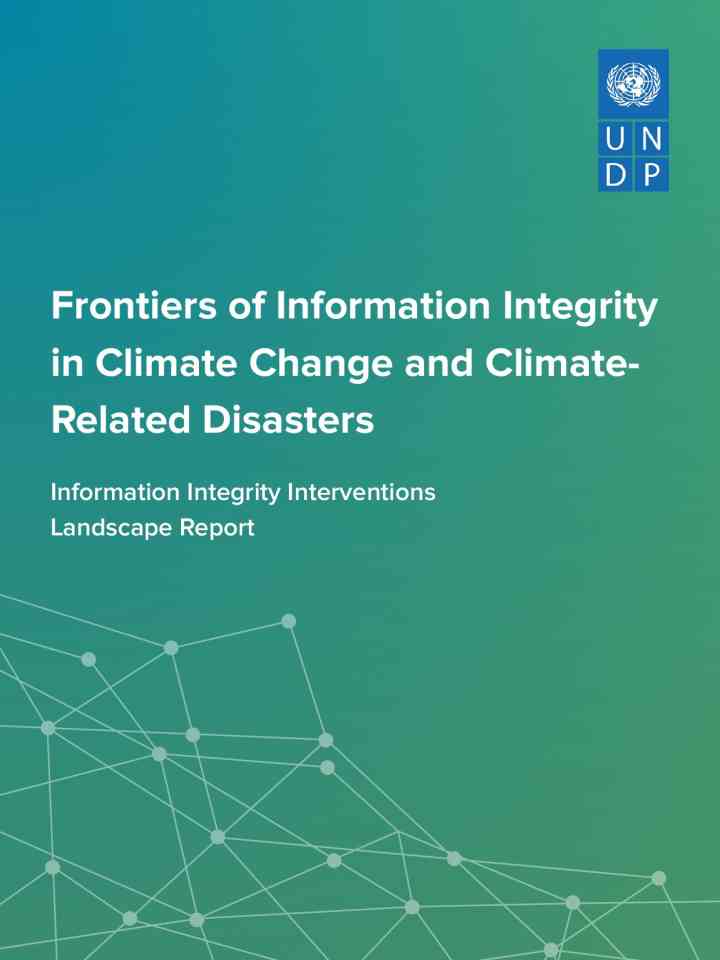
 Frontiers of information integrity in climate change and climate-related disasters: Information integrity interventions landscape report  thumbnail
Documents and publications

This landscape report examines how misinformation, disinformation and other forms of information pollution are affecting climate action and responses to climate-related disasters, and how different actors are responding.

United Nations Development Programme (UNDP)
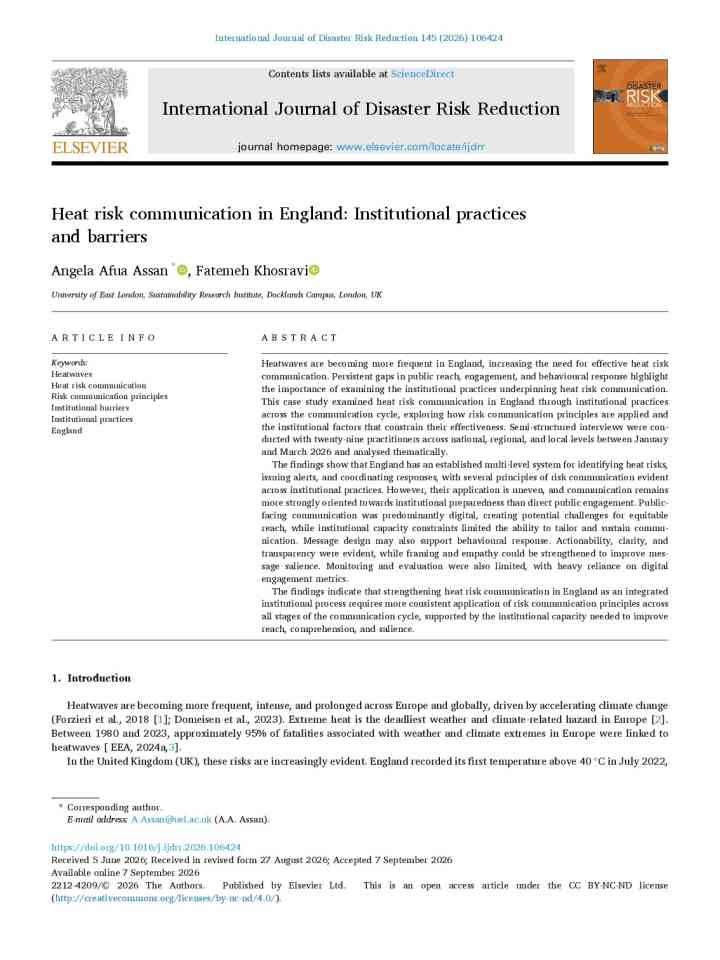
Heat risk communication in England: Institutional practices and barriers thumbnail
Documents and publications

This paper examines institutional heat risk communication in England. Interviews with 29 practitioners revealed strong alert and coordination systems, but uneven public engagement, limited evaluation and capacity constraints that hinder effectiveness.

International Journal of Disaster Risk Reduction (Elsevier)
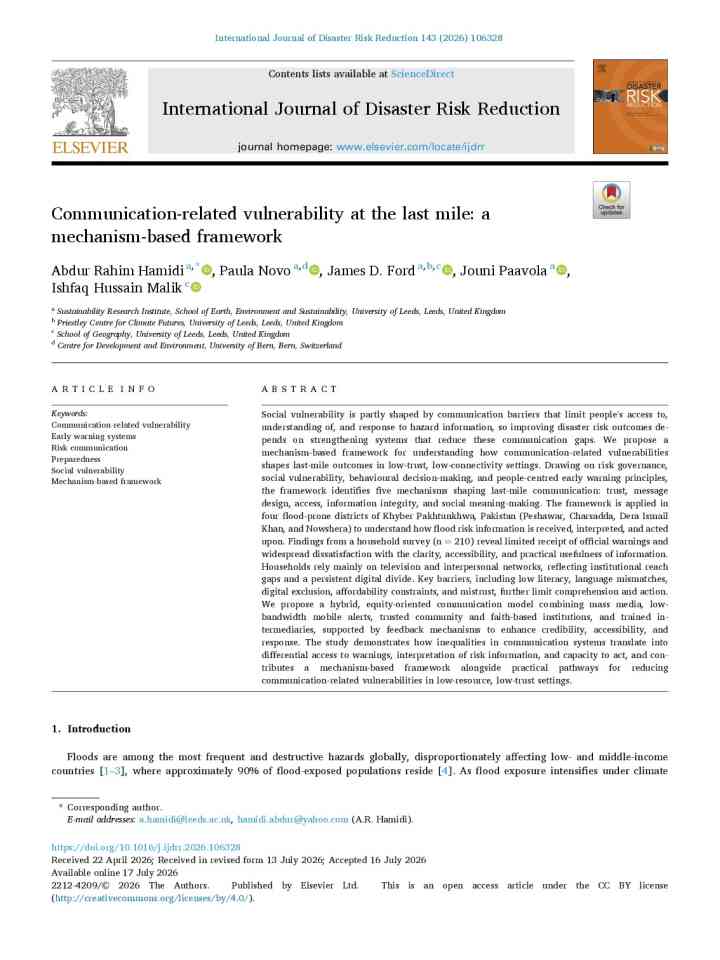
Communication-related vulnerability at the last mile: a mechanism-based framework thumbnail
Documents and publications

This paper develops a mechanism-based framework for understanding communication-related vulnerability in flood-prone communities. Survey results from Pakistan highlight trust, literacy, access and information barriers that limit effective warning response

International Journal of Disaster Risk Reduction (Elsevier)
Harmful information in disasters: Risk communication for safer decisions (Guidance note) thumbnail
Documents and publications

This guidance note outlines practical approaches to strengthening information integrity within risk communication–before, during, and after disasters. Preparing for and managing information risks is an integral part of disaster risk reduction efforts.

United Nations Office for Disaster Risk Reduction (UNDRR)
Heat risk communication by operational meteorologists in Indonesia: Current operational challenges and decision-making dilemmas in heat early warning system thumbnail
Documents and publications

A survey of 140 Indonesian operational meteorologists finds that terminology ambiguity and reliance on weather station data hinder heat warning dissemination. Past successful warnings and a liberal warning philosophy strongly influence warning decisions.

International Journal of Disaster Risk Science
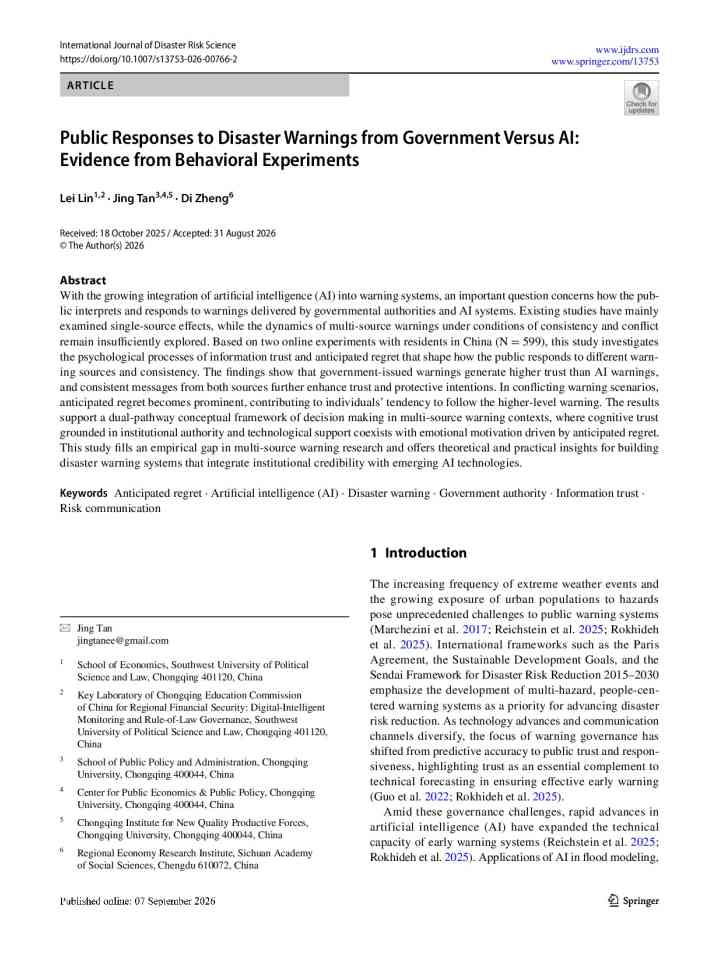
Public Responses to Disaster Warnings from Government Versus AI: Evidence from Behavioral Experiments thumbnail
Documents and publications

Two behavioural experiments in China show that government-issued disaster warnings generate higher trust than AI warnings. Consistent government-AI messages increase trust and protective intentions, while conflicting warnings increase anticipated regret.

International Journal of Disaster Risk Reduction (Elsevier)
Perceived earthquake knowledge, awareness, and preparedness in aseismic risk–prone city of Bangladesh thumbnail
Documents and publications

This study investigates the complex interplay between local knowledge, awareness, perception, and preparedness among residents of Bogura City, Bangladesh, in the context of earthquake risk.

Geomatics, Natural Hazards and Risk (Taylor & Francis)
Risk Management Alert
Eliot Christian
Public emergency alerting has traditionally been associated with regulated communications infrastructures. Now, official emergency alerts worldwide are increasingly published in the freely available machine-readable Common Alerting Protocol format.
The Bagmati River flood in Kathmandu, 2024.
Update
Nepal: decentralized, community-based warning saved lives

There were two “systems” that warned people about the impending danger that day: one built by the state relying on sensors and SMS messages, the other relying on community-based ties. Only the second worked reliably.

Mongabay
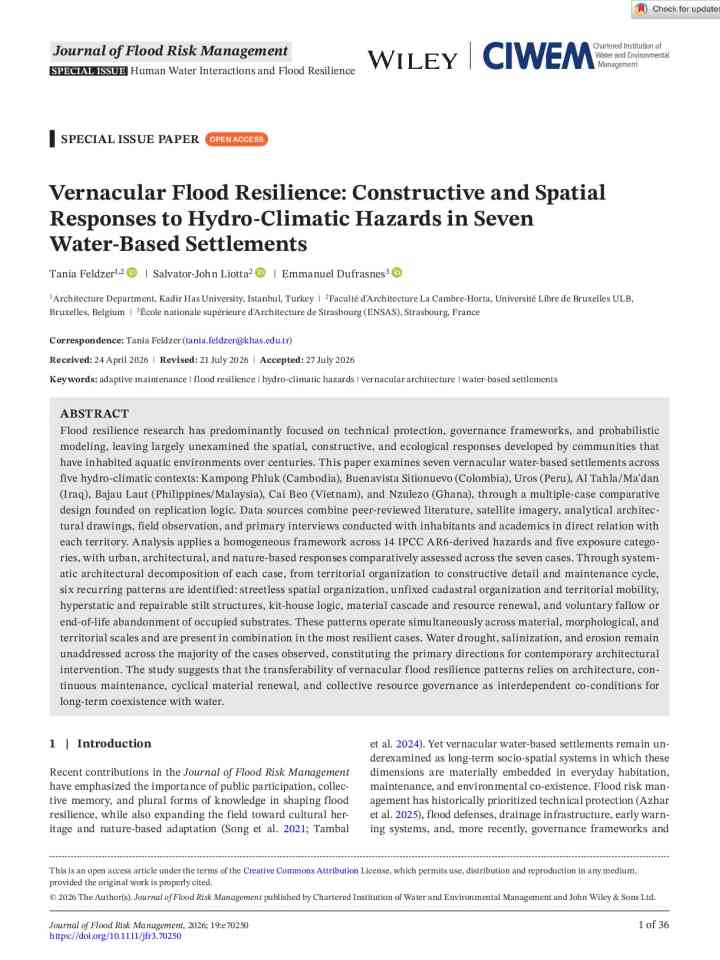
Vernacular flood resilience: Constructive and spatial responses to hydro-climatic hazards in seven water-based settlements thumbnail
Documents and publications

This study sets out to examine how vernacular water-based settlements develop constructive and spatial responses to flood-related hazards, and what recurring combinations of responses can be identified across distinct hydro-climatic contexts.

Journal of Flood Risk Management (Wiley)
When climate risks become evident: A natural experiment on risk perceptions in the housing market thumbnail
Documents and publications

Study uses the 2020 Gjerdrum landslide as a natural experiment to examine how climate risk salience affects housing markets. Exposed properties experienced temporary price declines of 1–1.5 per cent, while new residential development in risk zones fell.

Journal of Environmental Economics and Management
The Nevado del Ruiz volcano in Colombia, seen from above
Research briefs
Earlier volcano warnings could mean more false alarms

Machine-learning techniques could help provide more warning. By detecting subtle changes in the continuous vibrations around a volcano, they can potentially identify signs of an impending eruption hours beforehand.

Conversation Media Group, the
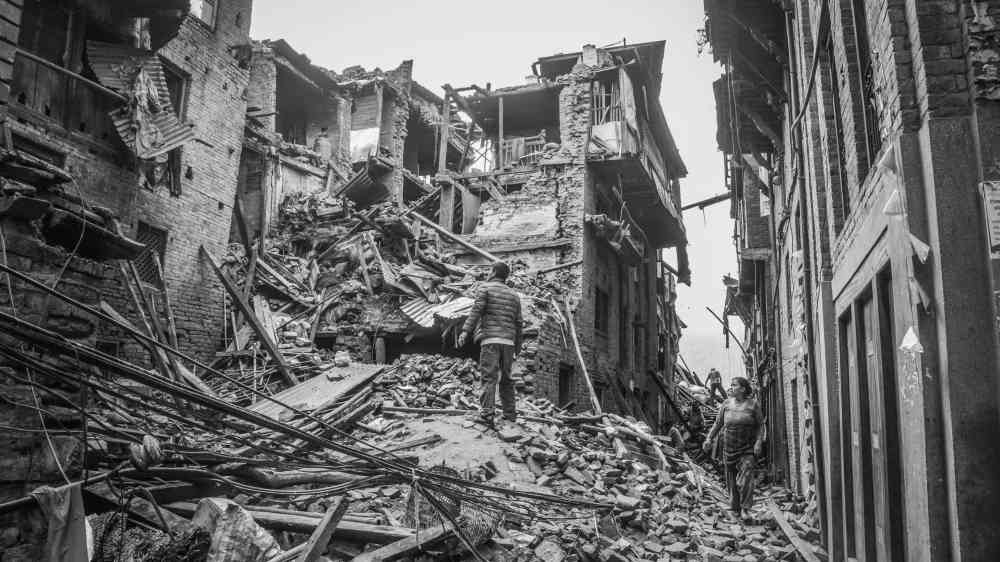
Rubble and destruction in Bhaktapur, Nepal, post-earthquake, capturing the aftermath and human resilience.
Ilan Kelman
Disasters are not natural but result from social vulnerabilities, inequality and policy choices. This blog argues that focusing on vulnerability, rather than labels such as “natural” or “hybrid” disasters, is key to reducing risk and preventing crises.
Emotional responses and perceptions of false alarms in flood warnings and their impact on evacuation action: an empirical analysis of the Kyushu Region, Japan thumbnail
Documents and publications

This study shows that perceived false flood alarms can reduce evacuation behaviour, while positive emotional responses to false alarms may help maintain protective action during future warnings.

Journal of the Meteorological Society of Japan (Springer Nature)
Getting the story straight: common misconceptions around volcanoes and eruptions with case studies of recent events thumbnail
Documents and publications

This paper describes eighteen misconceptions grouped in six themes (seismology, volcanoes and climate, systems and structures, volcanic hazards, timescales, photographs and footage) commonly encountered by volcanologists

Journal of Applied Volcanology (Springer)
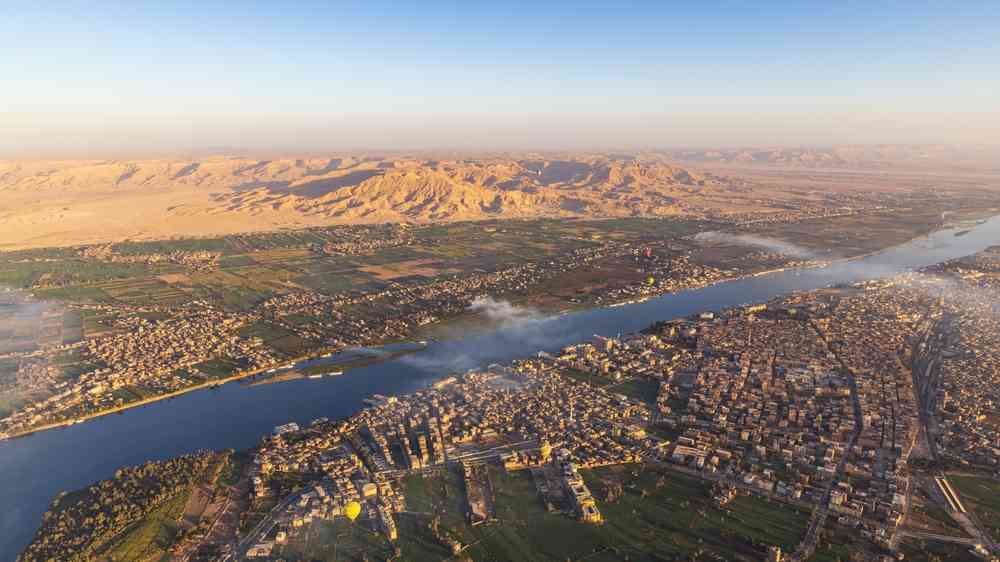
Luxor, Egypt. View of the Nile river from a hot air balloon in Luxor.
Update
Egypt: Strengthening coastal adaptation in the Nile Delta

A major climate adaptation programme is helping Egypt strengthen coastal resilience in the Nile Delta through nature-based coastal protection, climate-informed planning, coastal monitoring systems and integrated coastal zone management.

United Nations Development Programme (UNDP)
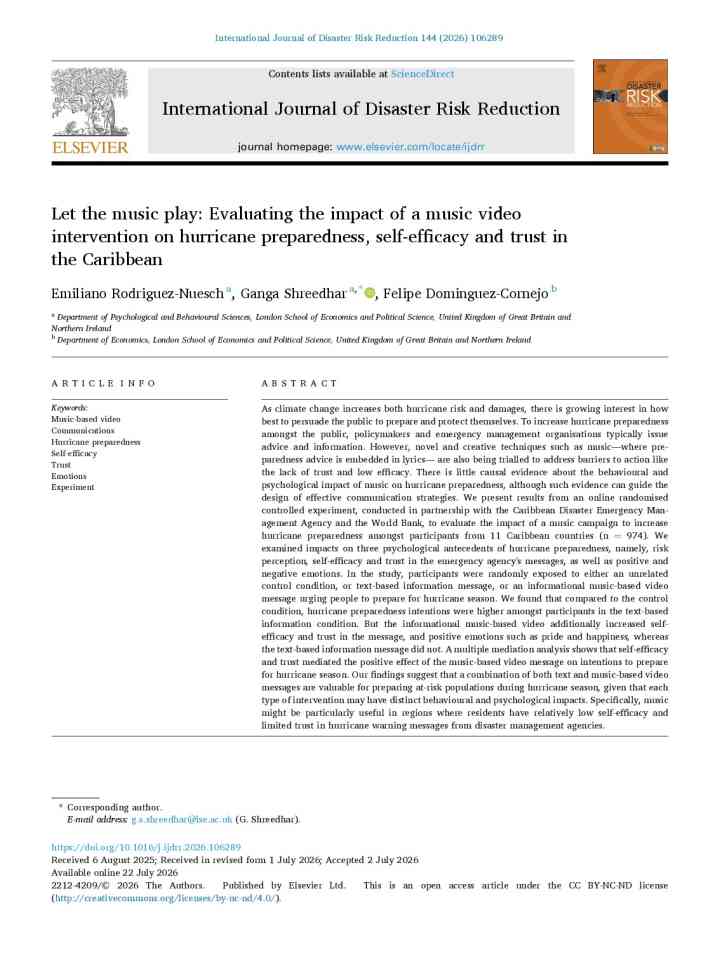
Let the music play: Evaluating the impact of a music video intervention on hurricane preparedness, self-efficacy and trust in the Caribbean thumbnail
Documents and publications

This study evaluates a music-based hurricane preparedness video in the Caribbean, finding that it can increase self-efficacy, trust and positive emotions alongside preparedness intentions.

International Journal of Disaster Risk Science
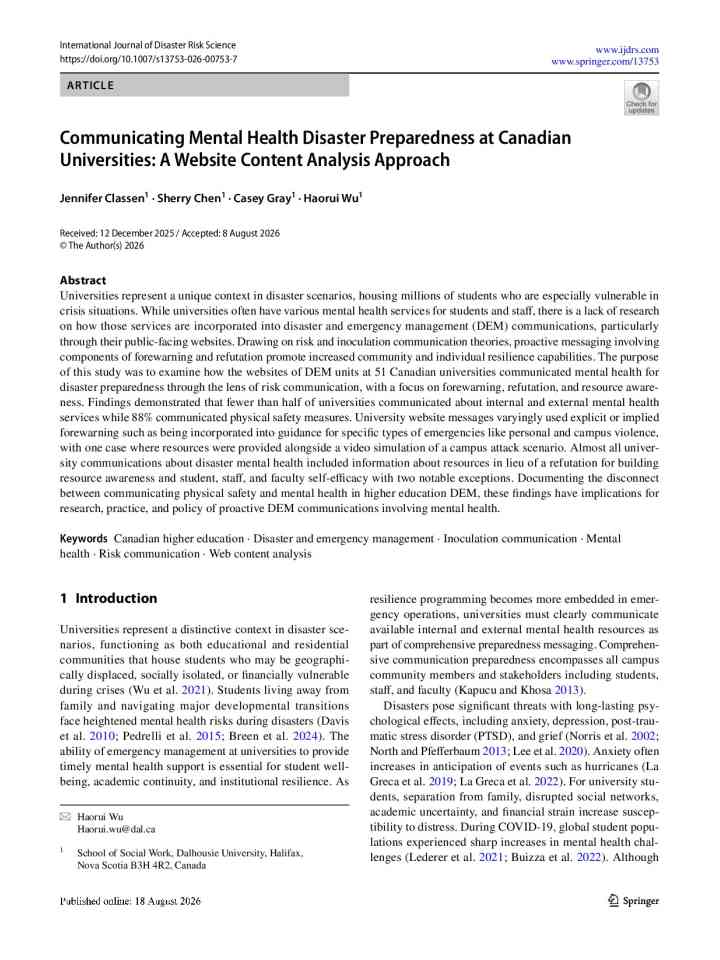
Communicating Mental Health Disaster Preparedness at Canadian Universities: A Website Content Analysis Approach thumbnail
Documents and publications

This study examines how Canadian university emergency websites communicate mental health preparedness, finding that physical safety guidance is far more visible than mental health support.

International Journal of Disaster Risk Science
Firefighter combating a wildfire
Update
Wildfires, naming and blame: Why ignition tells only part of the story

Most wildfires started by humans are still being called "wild", placing the fire outside human society. It implies there was no spark – and certainly no humans, and fails to widen the cause to include climate change, calling for new naming conventions.

Conversation Media Group, the
Workshop panel of four persons
Update
Lake Chad: Media resilience and risk communication take centre stage

Journalists, editors, disaster management authorities and regional partners gathered in N'Djamena from 27–29 July for a regional workshop aimed at strengthening climate reporting and media resilience across one of Africa's most vulnerable regions.

United Nations Office for Disaster Risk Reduction (UNDRR)
United Nations Office for Disaster Risk Reduction - Regional Office for Africa
Wildfire myths debunked
Update
Wildfires: five myths debunked

Wildfire misinformation spreads fastest in the hours right after a fire breaks out — checking a claim against a credible source before sharing it is the simplest way to slow it down.

United Nations Office for Disaster Risk Reduction (UNDRR)

Main publications

This hub draws from the comprehensive guidelines presented in the Pocket guide and Guide for essential research publications, produced by BBC Media Action in partnership with UNDRR, which offer key insights into risk communication strategies. Access and download the documents below.

The project is funded by the United States Agency for International Development (USAID).
GAR logo
GAR2022: Our world at risk
This report explores how governance systems can evolve to better address the systemic risks of the future. It offers valuable recommendations for designing systems that consider how human minds make decisions about risk.
How can we empower at-risk communities to make informed decisions and reduce disaster risks?

Case studies

Explore a series of real-world case studies that highlight successful risk communication practices in diverse contexts. These examples offer valuable lessons for practitioners, illustrating how tailored communication approaches can lead to better outcomes in risk awareness and action.

Concept of colourful speech bubbles
Risk communication
Resources to help communications professionals develop effective strategies and craft compelling content about disaster risk.
Letters of scrable
The DRR Glossary
Get to know the key terms of disaster risk reduction and hazards that might cause disasters.
UNDRR
About PreventionWeb
PreventionWeb is the global knowledge sharing platform for disaster risk reduction (DRR) and resilience.

Hazards do not have to turn into disasters.

To break the vicious cycle of "Disaster, respond, recover, repeat.", we need a better understanding of disaster risk, in all its dimensions.