1. Home
  2. Hubs: tools and knowledge
  3. Disaster Risk Communication hub
Uploaded on
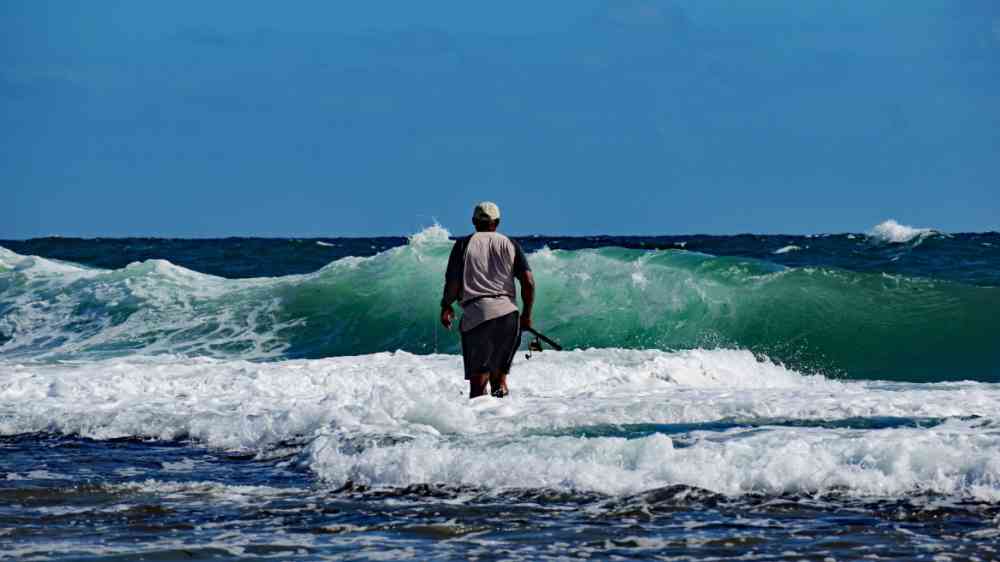
A lone fisherman on the east coast of Barbados during COVID-19 shutdown.
Christal Benjamin
There is an urgent need to scale up and integrate good practices for early warning and early action in Barbados, and other Small Island Developing States in the Caribbean and around the world.
Busy streets of Kingston Jamaica
Nicole West-Hayles
When extreme weather events strike, why do some people disregard official warnings and take apparently unnecessary risks?
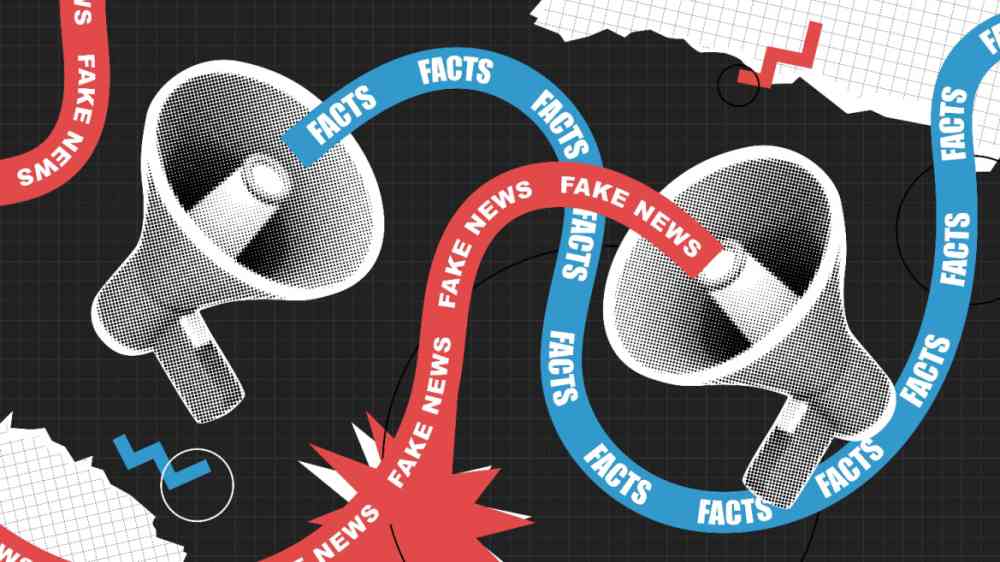
Art collage representing conflict between fake news and fact communication
Qi Zhao Jan-Willem van Prooijen Giuliana Spadaro
New study suggests that countries with high natural hazard risk do not necessarily have to expect excessive conspiracy theories among the population. Fostering well-developed coping capacities could lower conspiracy belief levels effectively.
Watercolor vector illustration of blue sky and clouds
Meg Parsons
Community engagement is just as important as research and policymaking for successful efforts to adapt to the impacts of climate change and reduce disaster risks. Discover the climate resilience toolkit that includes a range of art activities.
Creative design with human hands holding a speech bubble
PreventionWeb spoke to Miguel Telo de Arriaga, Head of the Division of Literacy, Health and Well-being at Portugal’s Directorate-General of Health to learn more about the country’s approach to risk communication, and how this is applied to reduce risks.
Heat Wave, Montreal
Mami Mizutori
One can reasonably argue that there is no such thing as a natural disaster despite the widespread use of the term in the media, by UN agencies, NGOs and many others.
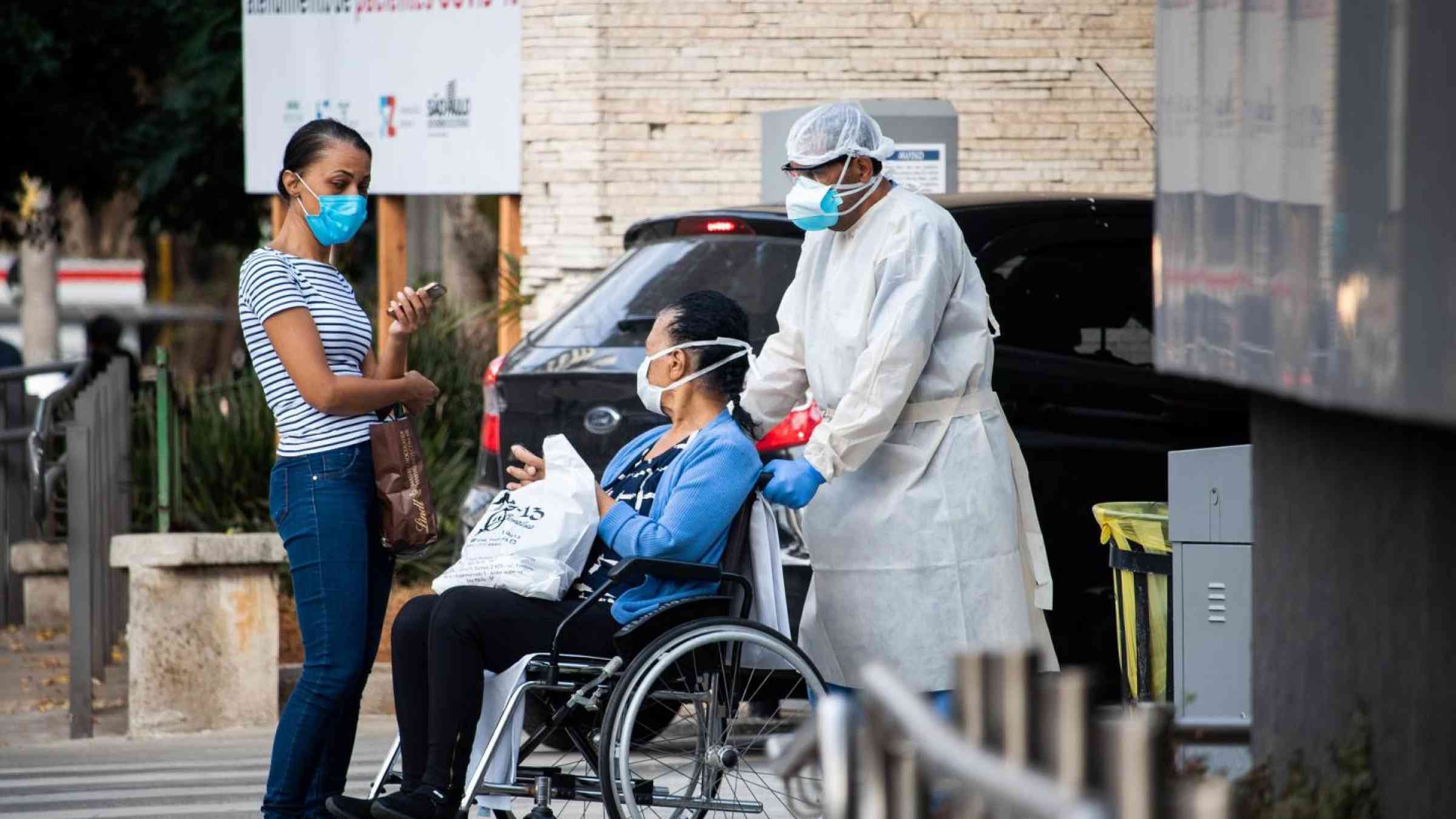
Picture of three people, a patient in a wheelchair, a doctor and one more person exiting a hospital.
Sapana Basnet Bista, PhD Researcher/Research Associate, Liverpool John Moores University
Risk communication should aim to ease feelings of fear and panic among the affected population, not exacerbate them.
Kevin Blanchard, DRR Dynamics Ltd

Disasters are increasing, both in terms of frequency and severity. In 2017 alone, disasters claimed over 10,000 people, injured millions and caused

Shefali Juneja, University of Wollongong

Global displacement trends and recent calls to action, such as expressed in The New Urban Agenda 2016, the New York Declaration for Refugees and

Danielle Charlton, University College London

When was the last time you used a map? To locate somewhere on campus, in an airport, or perhaps during fieldwork? Maps are something we often take for