Uploaded on
Kevin Blanchard, DRR Dynamics Ltd

Disasters are increasing, both in terms of frequency and severity. In 2017 alone, disasters claimed over 10,000 people, injured millions and caused

Shefali Juneja, University of Wollongong

Global displacement trends and recent calls to action, such as expressed in The New Urban Agenda 2016, the New York Declaration for Refugees and

Danielle Charlton, University College London

When was the last time you used a map? To locate somewhere on campus, in an airport, or perhaps during fieldwork? Maps are something we often take for

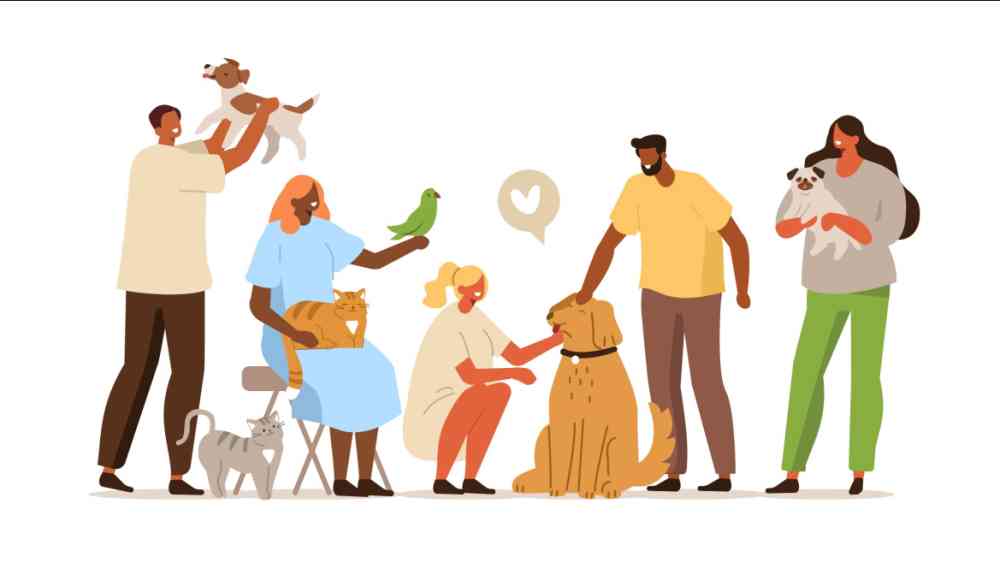
People in animal shelter playing, relaxing and spending time with pets
Eugenia Morales
From stories of animal rescues to people refusing to abandon their animals in an evacuation or returning to save them afterwards, media reports abound about owners risking their lives for their pets in disasters.
Maria van Veldhuizen, Communications Officer at REEEP

While there is a wealth of climate information available, many decision makers struggle to find what they really need to make informed decisions for a

Rachel Westcott, Bushfire and Natural Hazards Cooperative Research Centre

Climate change is the biggest public health risk of the 21st century, and threatens to adversely affect many aspects of public and environmental

Robert Glasser, United Nations Office for Disaster Risk Reduction

This past March, Peru was hit by devastating floods. Media reports led with death tolls and declarations of states of emergency. People volunteered