DRR Community Voices

The DRR Community Voices share personal stories and perspectives from the disaster risk reduction trenches on reducing risk and building resilience.

  • Our posts from both practitioners and academics reach a global audience and can influence policy, practices and approaches.
  • We invite you to propose your own blog and submit it for review.

Republishing guidelines

  • Please contact us if you wish to republish a blog article.
  • Most articles can be republished under CC BY-NC-SA 3.0 IGO Deed.
  • You must give appropriate credit, provide a link to the license, and indicate if changes were made.
  • You may not use the material for commercial purposes.
Uploaded on
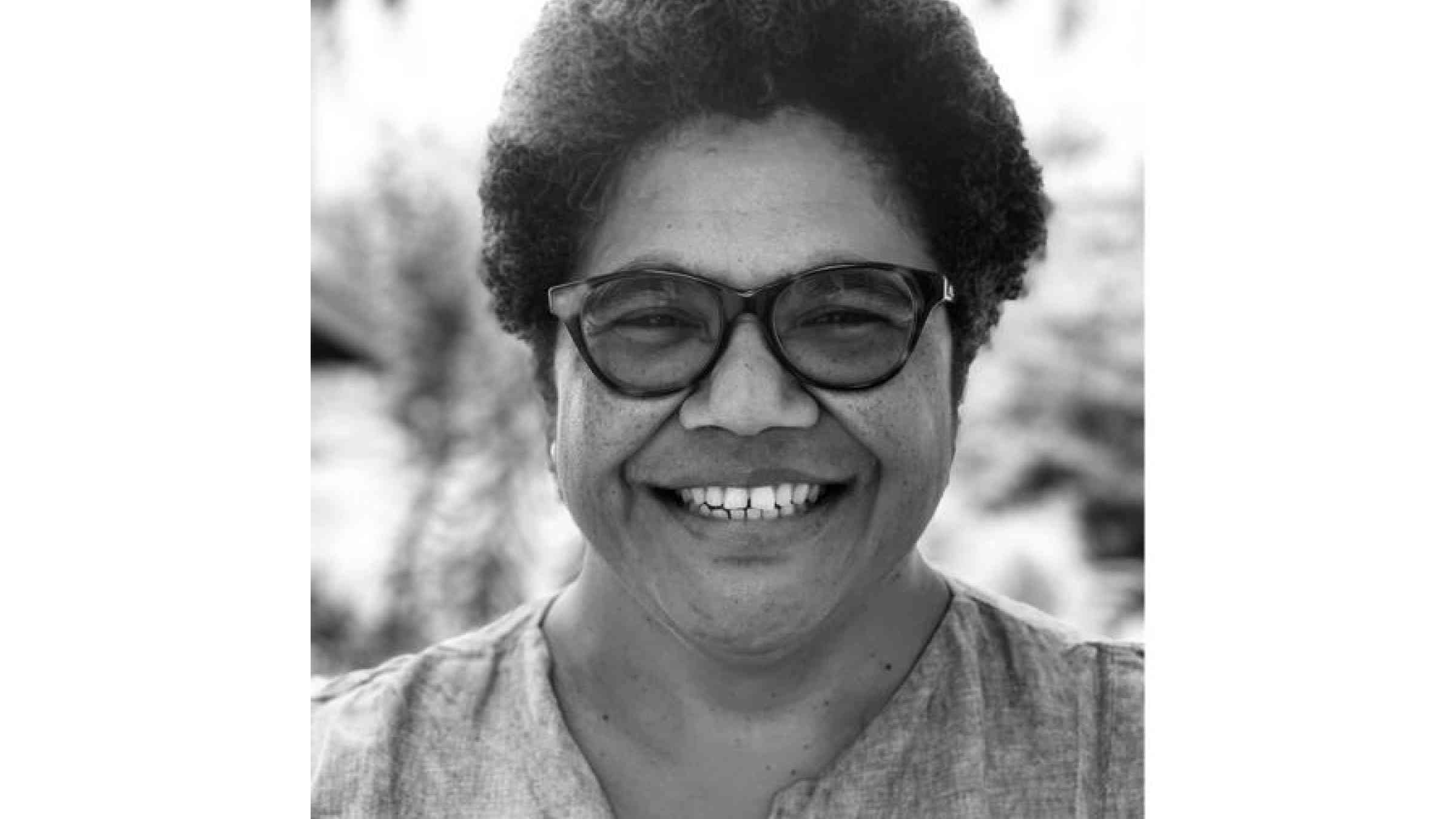
Litea Biukoto
Litea Biukoto, Advisor - Hazard Assessment, Secretariat of the Pacific Community

“Having data systems in place with consultations with the community helps ensure that the designs that are being considered are not just

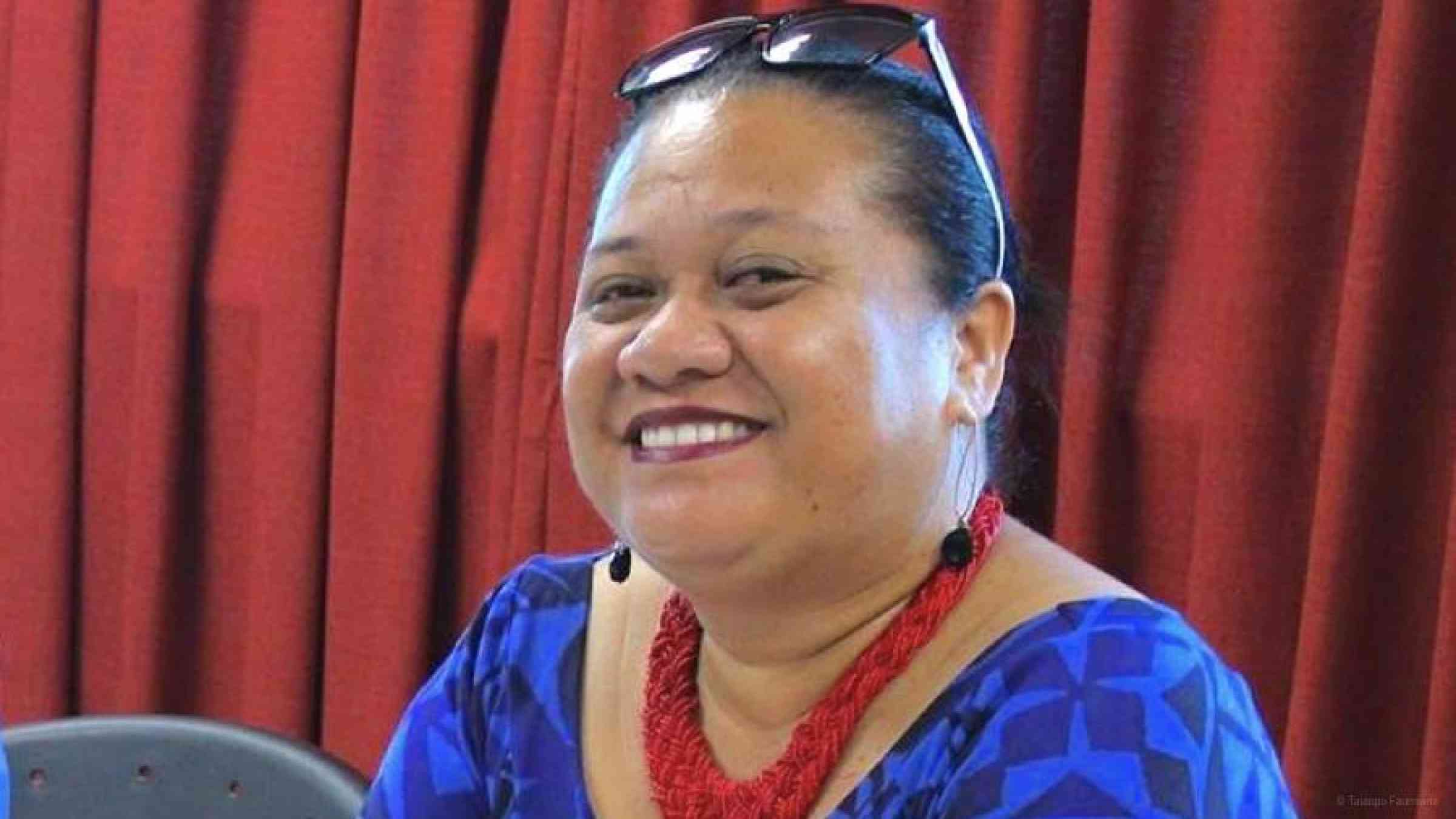
Taiaopo Faumuina
Taiaopo Faumuina, Samoa Bureau of Statistics
Taiaopo Faumuina is the Assistant Chief Executive Officer at the Samoa Bureau of Statistics in the division of Census, Survey and Demography.
Susan Grey
Susan Grey, femLINKPACIFIC

Shifting the focus from disaster impacts to addressing the fundamental drivers of vulnerability is vital for sustainable development. Poverty, gender

diplomedia/Shutterstock
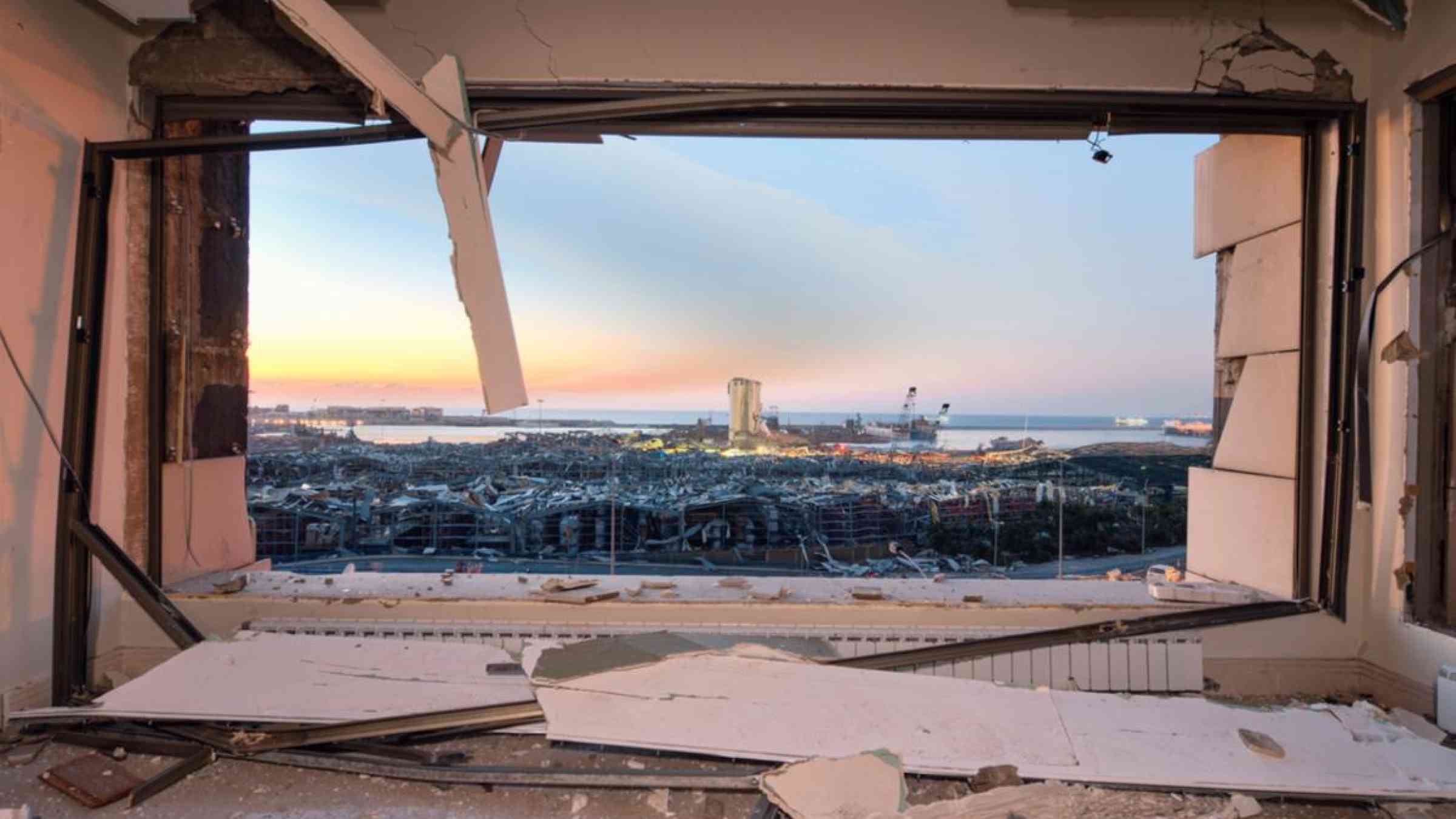
Basil Mahfouz, SynSapien

The 2020 Beirut port explosion is a reminder that designing disaster risk reduction strategies is not enough. The policies must also be implemented.

biliranisland.com
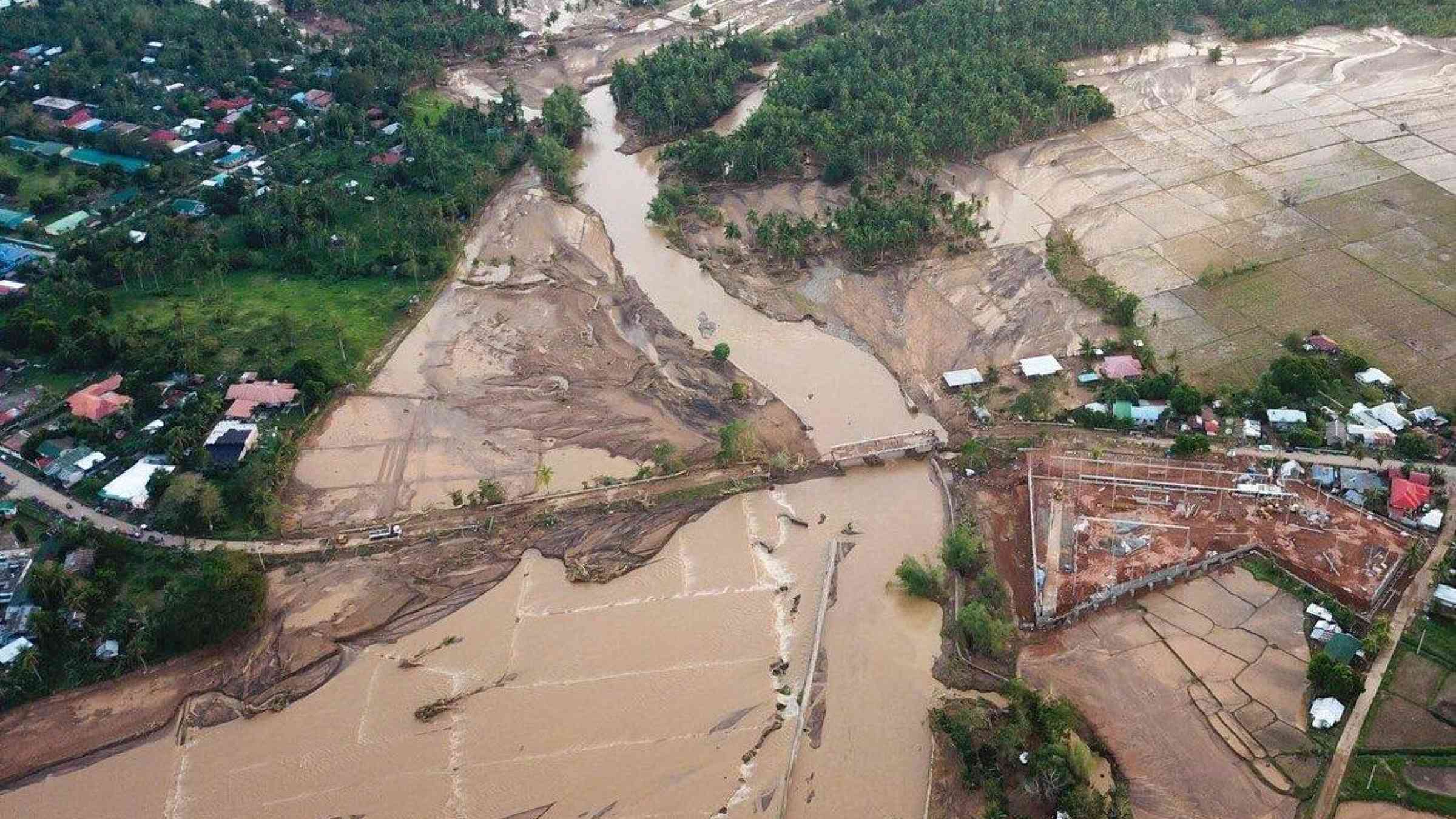
Richard Boothroyd, University of Glasgow

To address river migration in relation to transport infrastructure, satellite images can be used to monitor river channel change in the vicinity of

hedgehog94/Shutterstock
Anat Grimberg, Head of Planning Division, National Emergency Management Authority

Israel is becoming the global leader in successful COVID-19 vaccination. What aspects of the country's program can be transferable and scalable to

The amphibious housing unit during floods. CORE Bangladesh research team.
M. Shah Alam Khan, Bangladesh University of Engineering and Technology
In this interview, Professor M. Shah Alam Khan explains how amphibious housing can help populations in Bangladesh cope with reoccurring floods.
MoLarjung/Shutterstock
Janak Pathak, United Nations Office for Disaster Risk Reduction

In Nepal, Local Disaster and Climate Resilience plans are paving the way for integrated action disaster risk reduction and climate adaptation.

This