DRR Community Voices

The DRR Community Voices share personal stories and perspectives from the disaster risk reduction trenches on reducing risk and building resilience.

  • Our posts from both practitioners and academics reach a global audience and can influence policy, practices and approaches.
  • We invite you to propose your own blog and submit it for review.

Republishing guidelines

  • Please contact us if you wish to republish a blog article.
  • Most articles can be republished under CC BY-NC-SA 3.0 IGO Deed.
  • You must give appropriate credit, provide a link to the license, and indicate if changes were made.
  • You may not use the material for commercial purposes.
Uploaded on
Cora meets with two other disabled individuals at Solea Palms Resort, January 8, 2021
Corazon Bajuyo Clarin, Convener, Cebu Disability-inclusive Disaster Risk Reduction Network
While Philippines has a sophisticated network of sensors to monitor climate and geophysical hazards, people with disabilities continue to face significant challenges when disasters hit.
Regan Pairojmahakij
Regan Pairojmahakij, Center for People and Forests, the

Healthy forest landscapes help local communities both adapt to climate change and manage the risk of disasters.

Regan Pairojmahakij works with RECOFT

Fred Marie/Shutterstock
Aaron Clark-Ginsberg, RAND Corporation

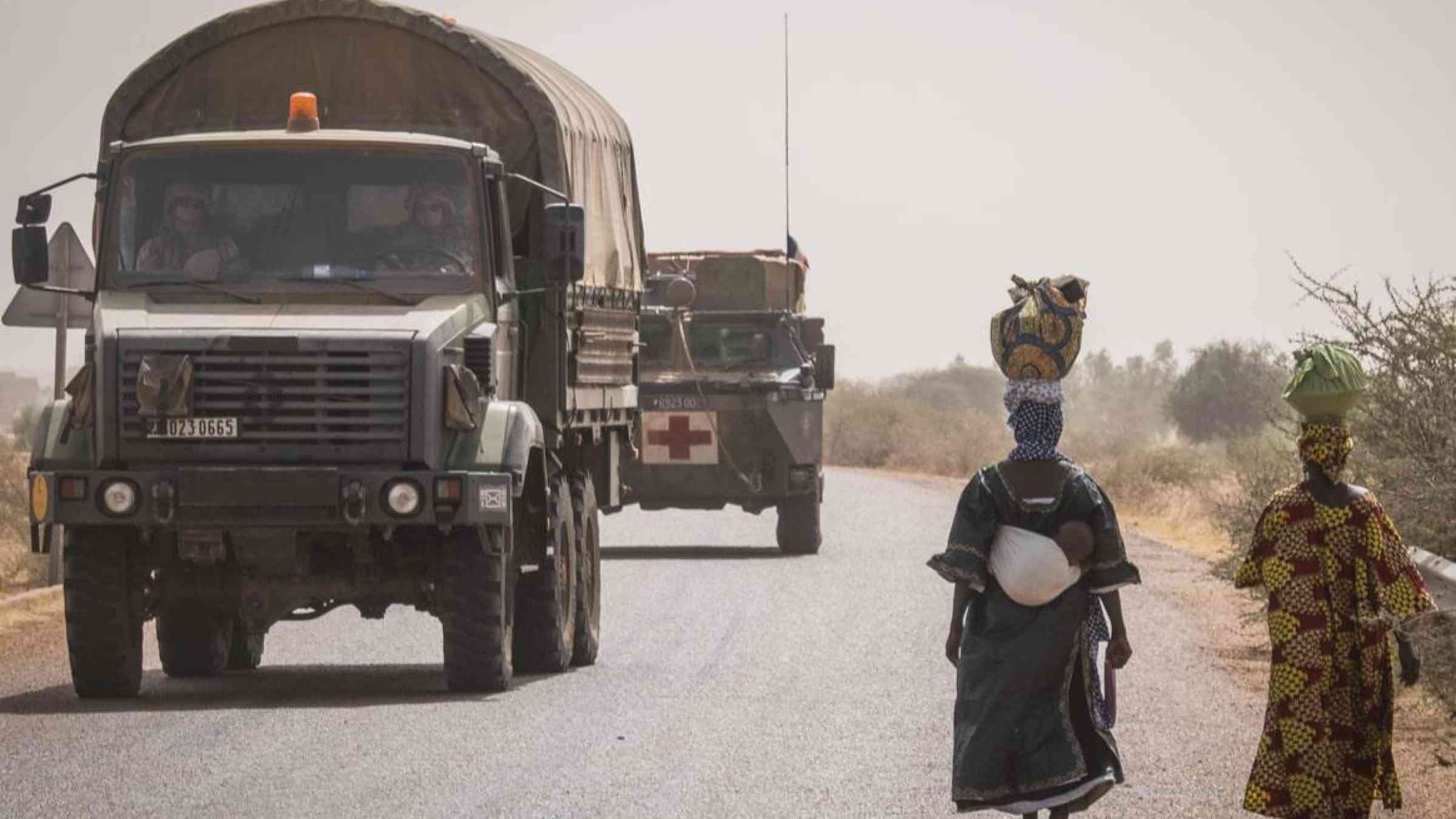
New study suggests four strategies to help reduce risk and improve resilience for communities living in fragile and conflict-affected contexts.

By

Nontincha Wansawang, Ministry of Agriculture and Cooperatives

Nonticha says planning for climate disasters like droughts is critical but it has to be more than a government plan. “We need a systemic

Kraljevo's main square. Bojan Milinkov/Shutterstock
Zdravko Maksimović, City of Kraljevo
Following two disasters, the city of Kraljevo, Serbia established a new disaster risk reduction framework, calling for the local community to take a more active role.
Ayeisha Sheldon
Ayeisha Sheldon, United Nations Operational Satellite Applications Programme

Despite the challenges, Ayeisha says building the capacity with local governments down to the community level, can support better disaster planning

LSE
Ria Sen, United Nations - World Food Programme (WFP)

Ria Sen says disaster risk reduction and climate projects need to have engagement tools that recognize the financial and social barriers that keep

Malmö/Sweden. Jaroslav Moravcik/Shutterstock
Karin Klasa, MSB, Swedish Civil Contingencies Agency

To build their resilience, Arvika and other cities in Sweden have joined the Making Cities Resilient initiative, run by the UN Office for Disaster