My account
Navigation loading…

Navigation failed to load. If you are on the UNDRR office network, your browser may be blocking access to external resources. Learn how to allow access.

Menu
Your experience on PreventionWeb

Please help us improve PreventionWeb by taking this brief survey. Your input will allow us to better serve the needs of the DRR community.

See the survey

Published on
22 February 2023
Status
Completed

European Emergency Circle Commitment

Expected duration
Jun 2021 - Jun 2030
SFVC commitment ID
20210604_002
Version
5.0
Author
Thiago Campos
Upload your content

The European Emergency Circle Commitment has the goal of promoting the democratization in access to training to act in medical emergencies and risk reduction. For this purpose, we facilitate a number of courses on related topics.

    Description

    The European Emergency Circle began its activities in 2016 with the mission of providing training opportunities to help its members and civil society to develop their skills, knowledge and confidence to assume responsibilities to serve humanity and safeguard human life and dignity human. Our vision is to offer our assistance and projects in health, training and humanitarian assistance.

    We contribute to solving some of the main problems facing civil society in response to disasters and emergencies, helping to find local and global solutions to the challenges and covering them with durable exchanges.

    Due to the Pandemic we had to restructure our teaching methodology, offering online courses to the community through our representatives in Latin America. We have a team formed in Ecuador and in training in Argentina and Peru.

    Did the Sendai Framework change or contribute to changes in your activities/organization? If so, how?

    The Sendai Framework stated that to build the knowledge of government officials at all levels, civil society, communities and volunteers, as well as the private sector, training and education on disaster risk reduction is strongly needed. Furthermore, it highlights the role of sharing lessons learned, good practices, and peer-learning, among others, for effective training. With this in mind, we started training in order to form teams to help the government and the community to act in disaster risk reduction

    What led you to make this commitment/initiative?

    What was your position before making this Voluntary Commitment / prior to the Sendai Framework?

    Before the Sendai Framework for Disaster Risk Reduction, we did not focus on the topic of risk reduction. But, often observing the inability of the government to respond to emergencies and carry out information campaigns for the community, we and our professionals are committed to helping to this purpose so that disaster risks are minimized

    Deliverables and Progress report

    Deliverables

    Deliverables are the end-products of the initiative/commitment, which can include issuance of publications or knowledge products, outcomes of workshops, training programs, videos, links, photographs, etc.

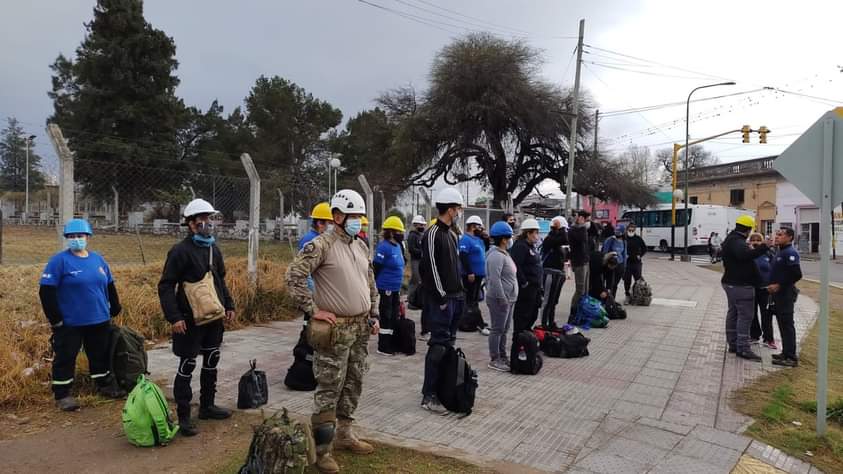
    Eruopean Emergency Circle Argentina
    Intended date of delivery
    31 October 2021

    Medical Emergency and Disaster Response Course for the European Emergency Cricle Brigade in Argentina. This training brought together brigade members for practical exercises.
    File
    EEC Argentina (57.7 KB)
    European Emergency Circle Peru
    Intended date of delivery
    31 October 2021

    Medical Emergency and Disaster Response Course for the European Emergency Cricle Brigade in Peru. This training brought together brigade members for practical exercises.

    File
    EEC Peru (194.4 KB)
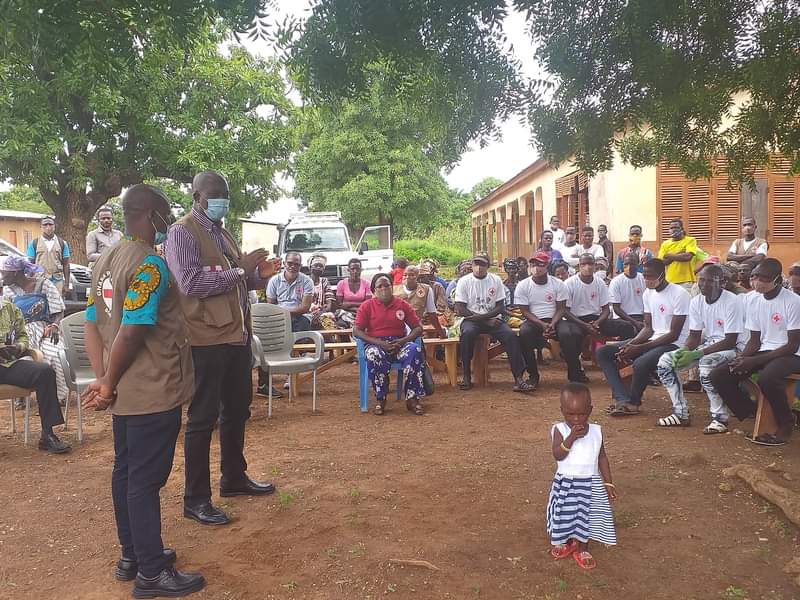
    Ghana Red Cross Society Training
    Intended date of delivery
    31 October 2021

    Medical Emergency and Disaster Response Course for the Ghana Red Cross. The Ghana Red Cross partners the European Emergency Circle in responding to Medical Emergencies and Disasters in Ghana
    File
    Ghana Red Cross Society (96.1 KB)
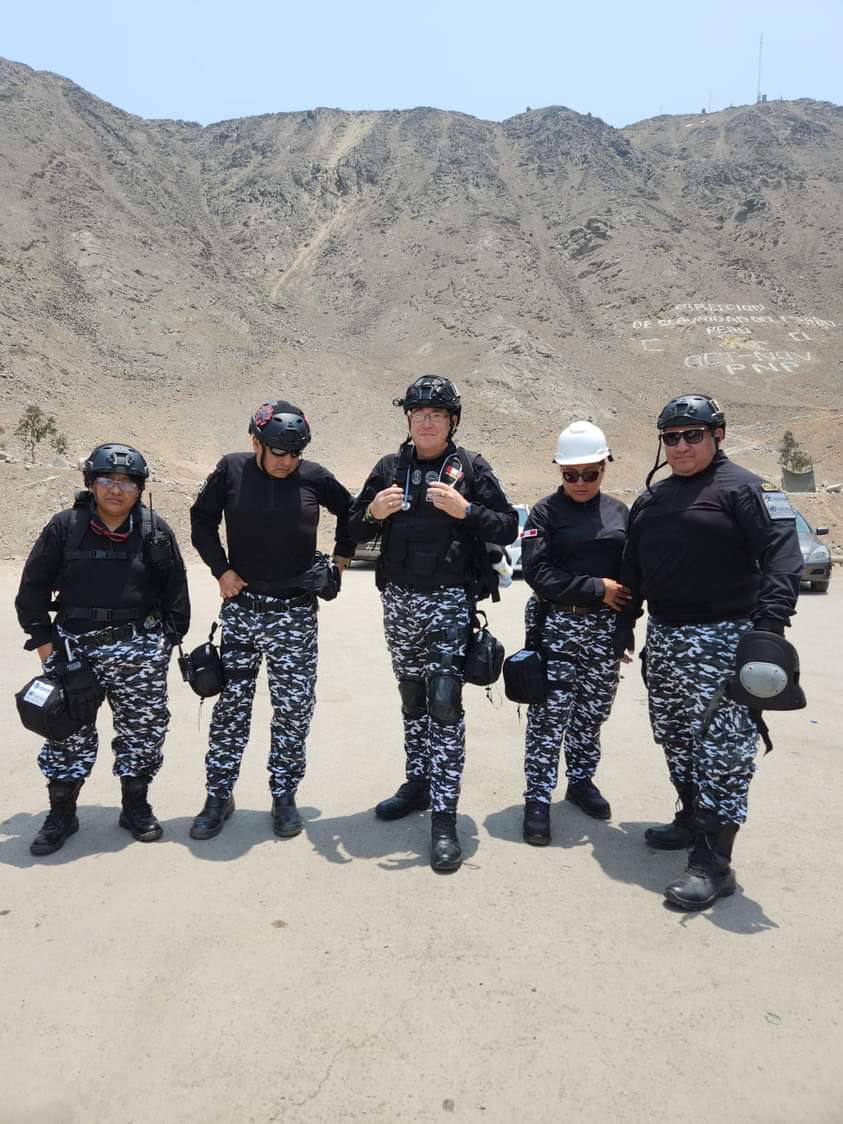
    International Response Brigades
    Intended date of delivery
    31 December 2022

    Second Period of training and creation of Emergency and Disaster Response Brigades in Latin America.
    File
    Disaster Response Exercises in Peru (114.25 KB)

    Porgress report

    Progress date
    1 June 2022
    Summary

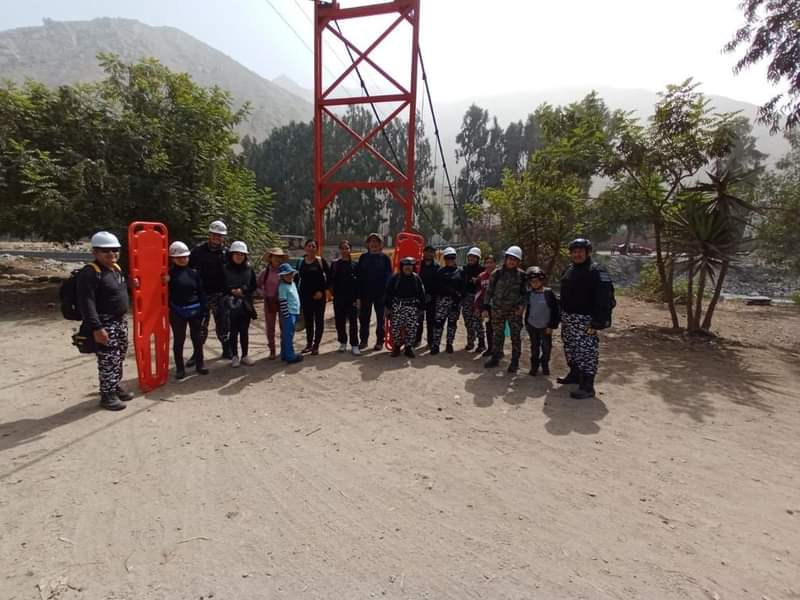
    We have conducted disaster response courses, including hands-on exercises in Peru, Ecuador, Mexico and Brazil. Each response brigade has more than 30 members properly trained to respond in the event of disasters, medical emergencies, pandemics and chemical weapons attacks. Our brigades are trained in accordance with our commitment to UNDRR SENDAI with a focus on mitigating the impacts of disasters, pandemics and other topics that are contained in our commitment. Our brigades are also facilitators sharing the mission of UNDRR and SENDAI Framework with civil society through lectures and events.

    Achievements at a glance

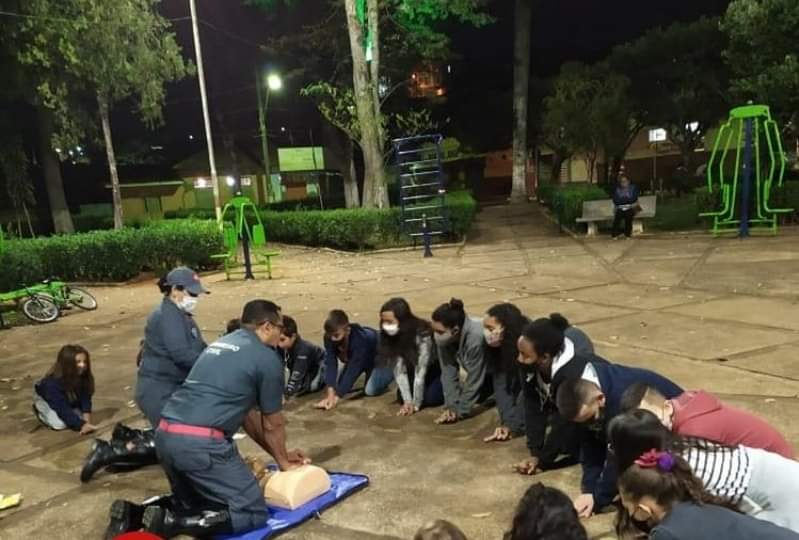
    Disaster Response and First Aid Training for Children - Minas Gerais Brazil
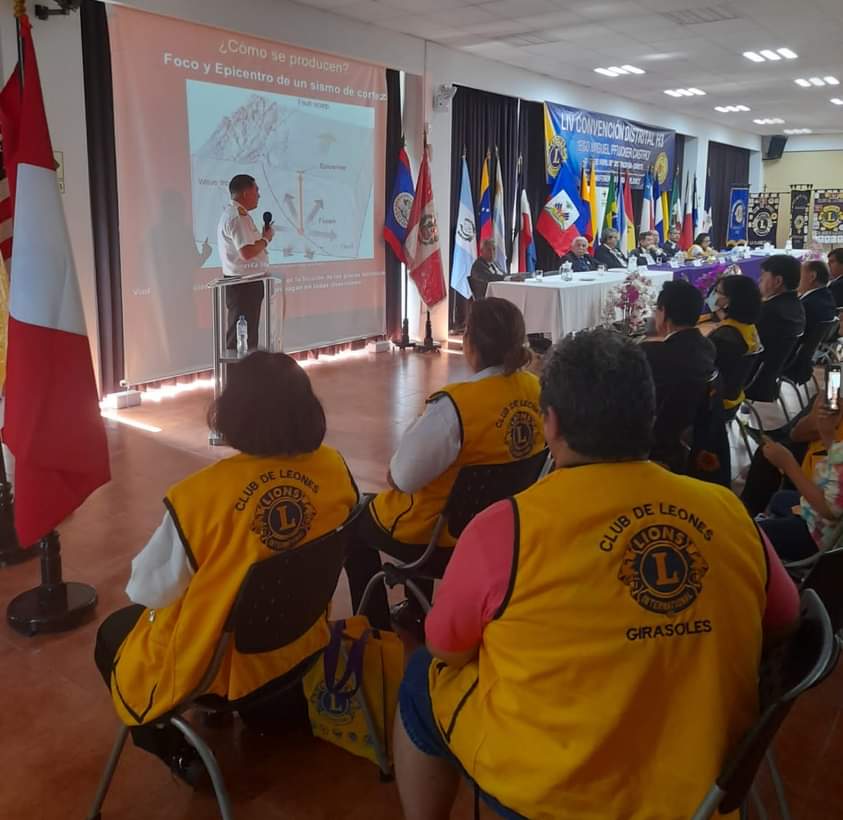
    Disaster Response Lecture for Girasoles Lions Club - Lima Peru
    Disaster Response Brigade Training - El Guabo Ecuador
    Disaster Response Brigade Training - Guadalajara Mexico
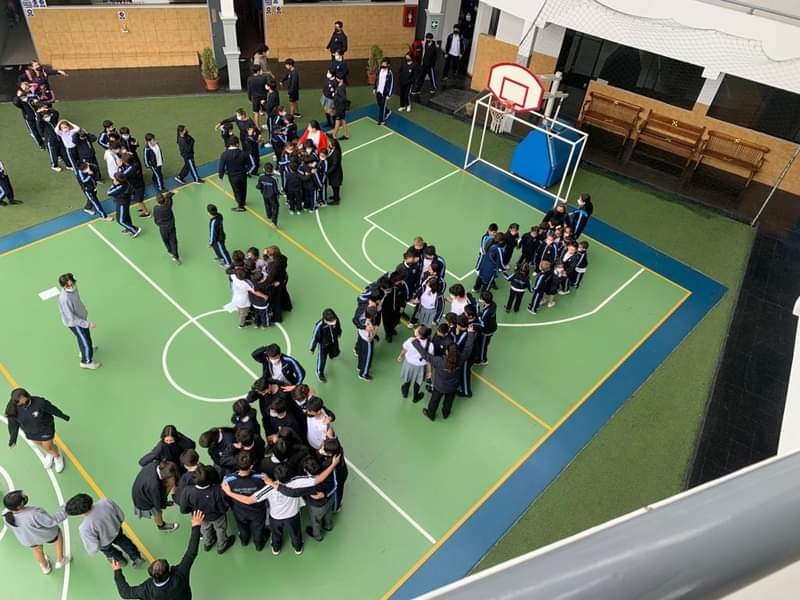
    Participation in the National Simulation Event on Grade 8.0 Earthquakes on the Richter Scale promoted by the Government of Peru - Escuela Maria Imaculada - Lima Peru
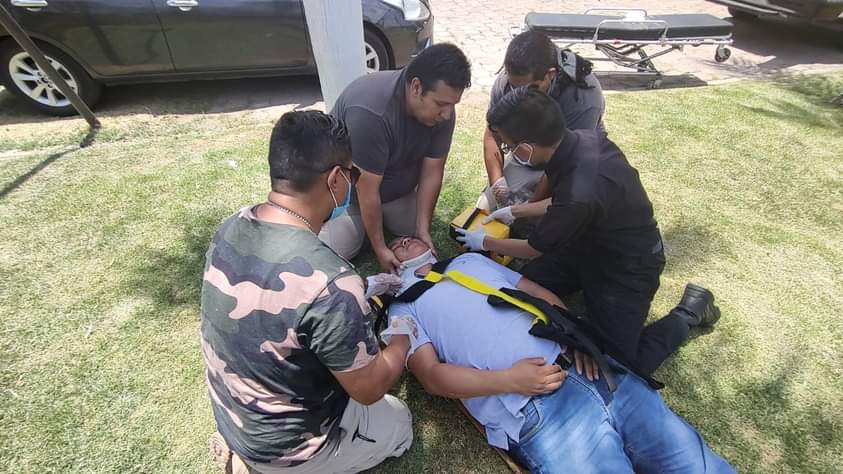
    Disaster Response and First Aid Training for the National Secretary of Defense - Guadalajara Mexico

    More photos from the training courses can be found in our Facebook page
    Supporting documents
    FB_IMG_1655465958364.jpg (63.42 KB)
    FB_IMG_1655466002092.jpg (63.39 KB)
    FB_IMG_1655466097022.jpg (64.19 KB)
    FB_IMG_1655466144230.jpg (51.7 KB)
    FB_IMG_1655468074583.jpg (67.35 KB)
    Organizations and focal points

    Implementing Organization(s)

    • European Emergency Circle

    Focal points

    Main focal point
    Thiago Campos (President, European Emergency Circle)

    Partners

    • Ghana Red Cross Society

    Explore further

    Sendai priorities
    Priority 4Enhancing disaster preparedness for effective response, and to «Build Back Better», rehabilitation and reconstruction
    Sendai targets and indicators
    B-2Number of injured or ill people attributed to disasters
    Hazards Earthquake Epidemic and Pandemic Flood NBC - Nuclear, Biological, Chemical Wildfire
    Themes Capacity development Civil Society/NGOs Health and health facilities Risk identification and assessment Social impacts and social resilience Urban risk and planning
    Country and region Africa Americas Europe
    Sustainable Development Goals SDG3: Good health and well-being SDG17: Partnerships for the goals
    Scope
    Regional - Africa, Americas, Europe
    Secured budget size
    80%
    Related links
    Facebook page

    Is this page useful?

    Yes No
    Report an issue on this page

    Thank you. If you have 2 minutes, we would benefit from additional feedback (link opens in a new window).

    PreventionWeb is the global knowledge sharing platform for disaster risk reduction (DRR) and resilience.

    • Newsletter
    • Submit your content
    • Blog pitches
    • Submission and publishing policy
    • About PreventionWeb
    • Contact us

    Hazards

    • Avalanche
    • Cold Wave
    • Cyclone, Hurricane and Typhoon
    • Drought and Desertification
    • Earthquake
    • Epidemic and pandemic
    • Flood
    • Heatwave, extreme heat and heat stress
    • Insect infestation
    • Land subsidence
    • Landslide
    • Nuclear, biological, chemical (NBC)
    • Sea level rise
    • Technological hazard
    • Thunderstorm
    • Tornado
    • Tsunami
    • Volcano
    • Wildfire

    Regions

    • Africa
    • Americas
    • Asia
    • Europe
    • Oceania

    Themes

    Understanding & managing risk

    • Preparedness
    • Early warning
    • GIS and mapping
    • Data and information management
    • Risk identification and assessment
    • Small Island Developing States
    • Earth Observation

    Natural environment

    • Climate change
    • Environment and ecosystems
    • Food security and agriculture
    • Water

    Cross-cutting

    • Systemic risk
    • Recovery

    Human development

    • Capacity development
    • Children and youth
    • Civil society / NGOs
    • Community-based DRR
    • Cultural heritage
    • Gender
    • Human mobility
    • Inclusion
    • Social impacts and resilience

    Science, knowledge & advocacy

    • Disaster risk communication
    • Traditional and Indigenous knowledges
    • Science-policy-practice interface

    State, governance & economy

    • Financing DRR
    • Fragility and conflict
    • Governance
    • Insurance and risk transfer
    • Private sector

    Infrastructure & critical services

    • Critical infrastructure
    • Education and school safety
    • Health and health facilities
    • Structural safety
    • Urban risk and planning
    Loading