Delivery of Get Ready Queensland 2022-2023 across Queensland
Get Ready Queensland is a year-round, resilience building initiative that delivers an ongoing disaster preparedness awareness campaign and provides $2 million in funding to Queensland’s 77 Local Governments and one Town Authority (Weipa) to support community preparedness for disasters.
Description
Get Ready Queensland is a annual year-round program designed to help Queenslanders prepare for disasters. Being prepared could be the difference between staying safe or putting individuals, families and/or communities in danger.
It is imperative that disaster risks are understood and planned for. Across Queensland communities, Get Ready Queensland focuses on community awareness and preparedness behaviours, ensuring households and businesses are empowered to continue to build their resilience to the increasing risk of disasters.
QRA is committed to continuing the state-wide initiative as we know that being prepared for a disaster doesn’t just better protect individuals and their households during a disaster; it also enables community members to get a head start on their recovery.
Did the Sendai Framework change or contribute to changes in your activities/organization? If so, how?
QRA is the lead agency responsible for disaster recovery and resilience policy in Queensland. Under this remit, QRA has developed the Queensland Strategy for Disaster Resilience (QSDR). The QSDR is aligned to international best practice, including the Sendai Framework, and includes a range of strategic commitments and actions to build resilience across Queensland communities. This extends to preparedness activities and programs such as Get Ready Queensland.
What led you to make this commitment/initiative?
What was your position before making this Voluntary Commitment / prior to the Sendai Framework?
QRA strongly believes that educational awareness and preparedness are key considerations in improving overall community resilience. Committing to drive a preparedness agenda for Queensland in an international forum allows QRA to share our learnings with counterparts at the national and international level to support broader preparedness objectives.
Deliverables and Progress report
Deliverables
Deliverables are the end-products of the initiative/commitment, which can include issuance of publications or knowledge products, outcomes of workshops, training programs, videos, links, photographs, etc.
The aim of the annual Get Ready Queensland (GRQ) grants program is to help local governments engage their communities and assist households, community organisations and businesses to better prepare for severe weather in Queensland, while continuing to build their resilience to future disasters.
The GRQ grants program is an opportunity for local governments to focus minds and efforts on delivering resilience-building activities from the ground up.
All activities funded with these grants need to adhere to the funding program’s requirements and explicit eligibility rules.
$2 million in grants have been committed to Queensland local governments to facilitate locally driven events and initiatives that promote individual and community participation in, and understanding of disaster preparedness and resilience.
Get Ready Queensland Week and the Get Ready Queensland Annual Awareness Campaign aims to positively influence residents’ and businesses’ preparedness behaviours by promoting 3 Steps to Get Ready, leveraging drivers and removing barriers to move target audiences from contemplation to action.
Porgress report
Deliverable 1
In 2022, Get Ready Queensland (GRQ) rolled out $2 million across all 77 Local Governments and 1 Town Authority. Funding was distributed based on population. Funding has been delivered across two tranches.
In 2023, GRQ will roll out $2 million across all 77 Local Governments and 1 Town Authority.
Deliverable 2
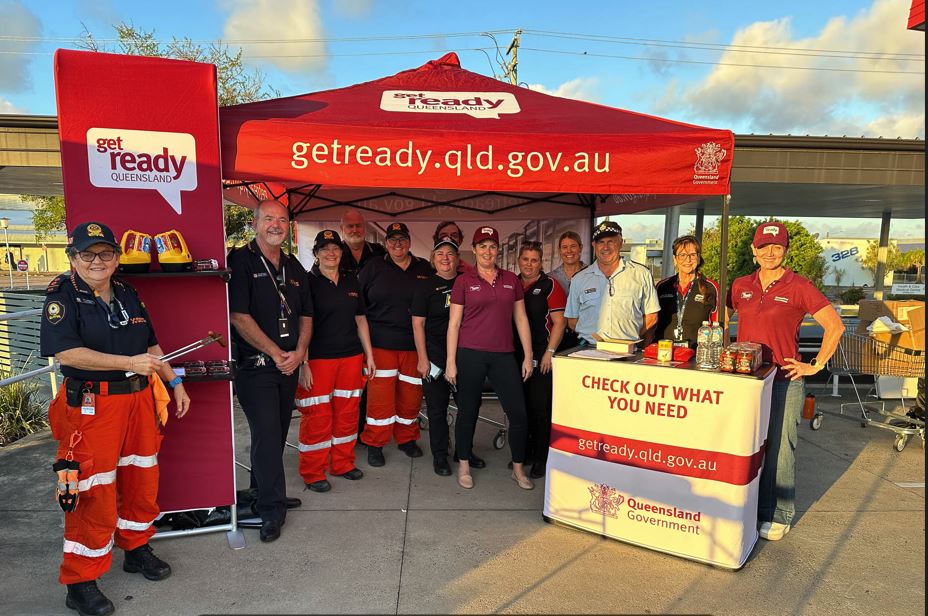
GRQ Week was delivered between 10-16 October 2022 and the Annual Awareness Campaign was in market for six weeks. The campaign reached millions of people with paid advertisements on television, streaming, social media, web and out of home (any outdoor advertising including billboards), radio and in-store promotional material.
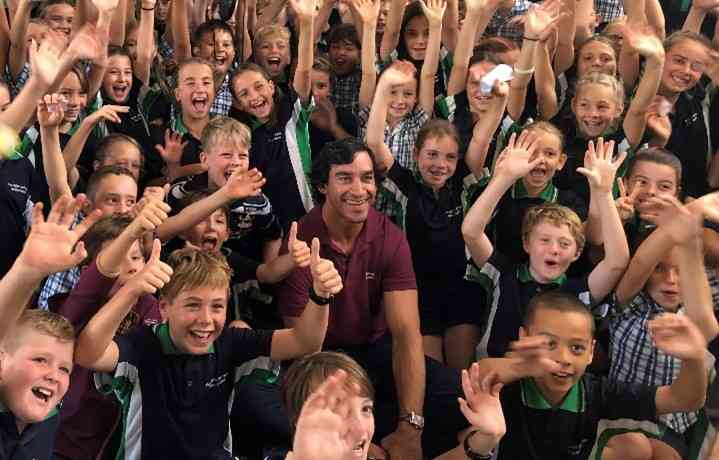
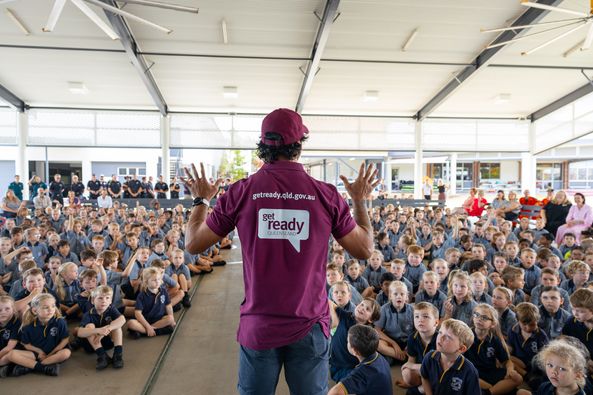
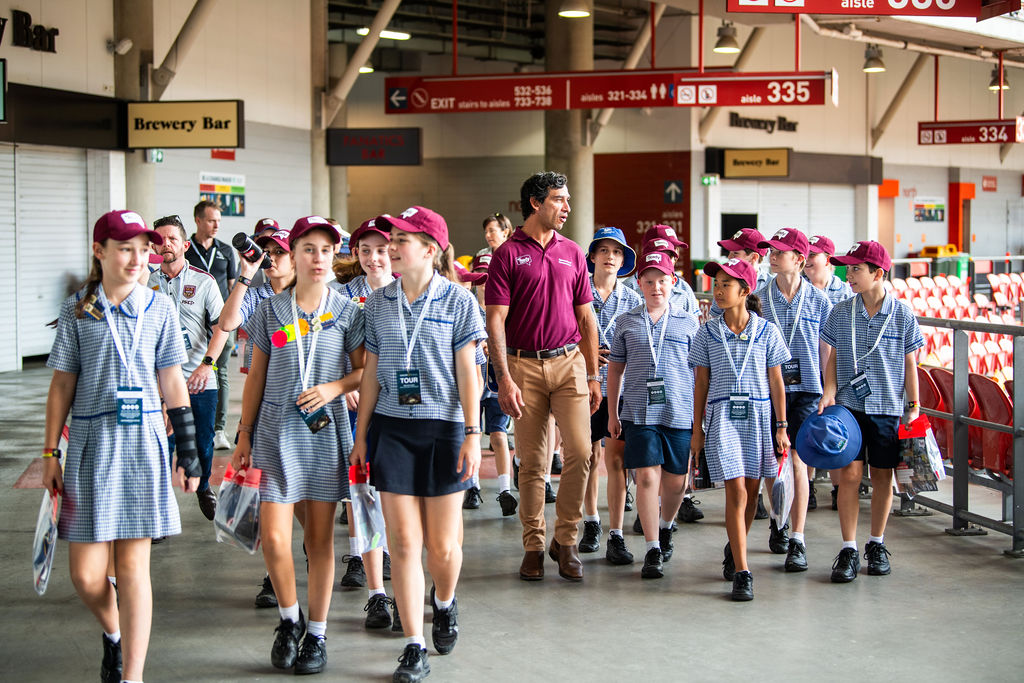
GRQ Week kicked-off with simultaneous regional and metropolitan media launches at primary schools in Rockhampton and Brisbane. The winner of the school competition received a visit from GRQ Ambassador Johnathan Thurston in November 2022.
Deliverable 1
$2 million dollars has been distributed across Queensland for locally-led disaster preparedness initiatives.
Deliverable 2
GRQ Week media monitoring showed:
• Days in market: 10
• Potential reach: 5.69M
• Advertising Sales Rate: $2.93M
Other achievements include:
• 2,000 students participated in the Get Ready school competition
• The GRQ and Bureau webinar had 600 attendees & 2,900 YouTube views
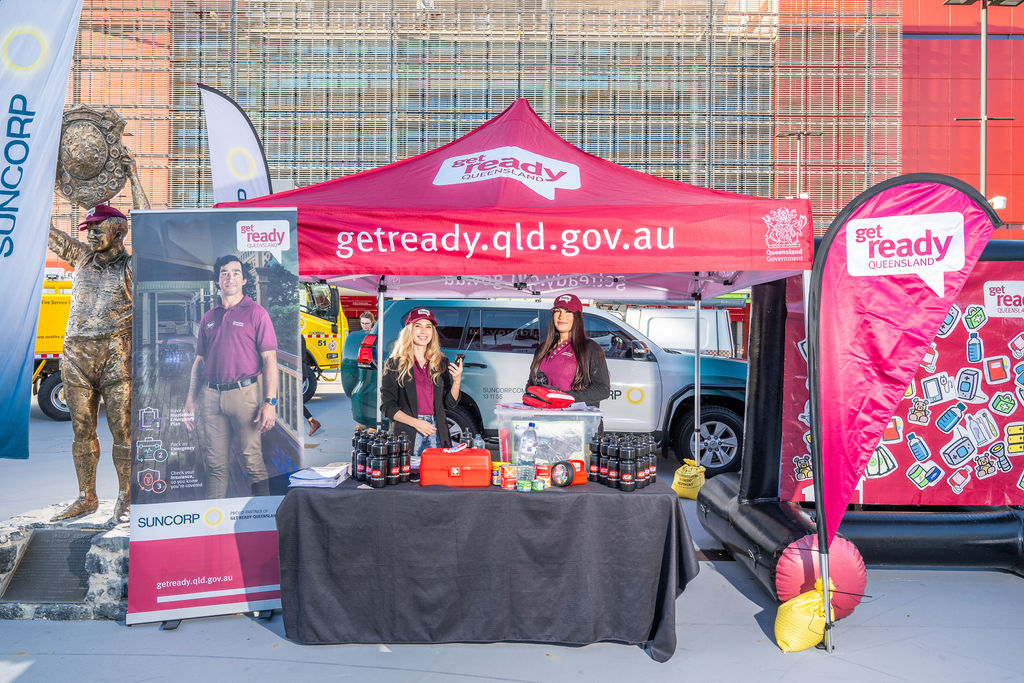
• 10,000 attendees at the Get Ready Brisbane Emergency Services Expo
• The GRQ website saw a visitor surge of 40% compared to the 2021 campaign
• Since 1 September 2022:
o GRQ Dangerous Weather Emergency Plan had 4,791 downloads
o Pack A Kit conversation card had 2,871 downloads
o Dangerous Weather Checklist had 1,457 downloads
GRQ commissioned market research to measure the impact of the Annual Awareness Campaign. Research revealed that:
• 90% of respondents said it was a good reminder
• 83% of respondents felt positive about the messaging
Organizations and focal points
Implementing Organization(s)
Focal points
Partners