My account
Menu
Your experience on PreventionWeb

Please help us improve PreventionWeb by taking this brief survey. Your input will allow us to better serve the needs of the DRR community.

See the survey

Published on
6 February 2024
Status
Active

Makati City Disaster Risk Reduction and Management Office (DRRMO) Study Visit to Japan

Expected duration
Sep 2023
SFVC commitment ID
20231211_001
Version
1.0
Author
Kendra Hirata
Upload your content

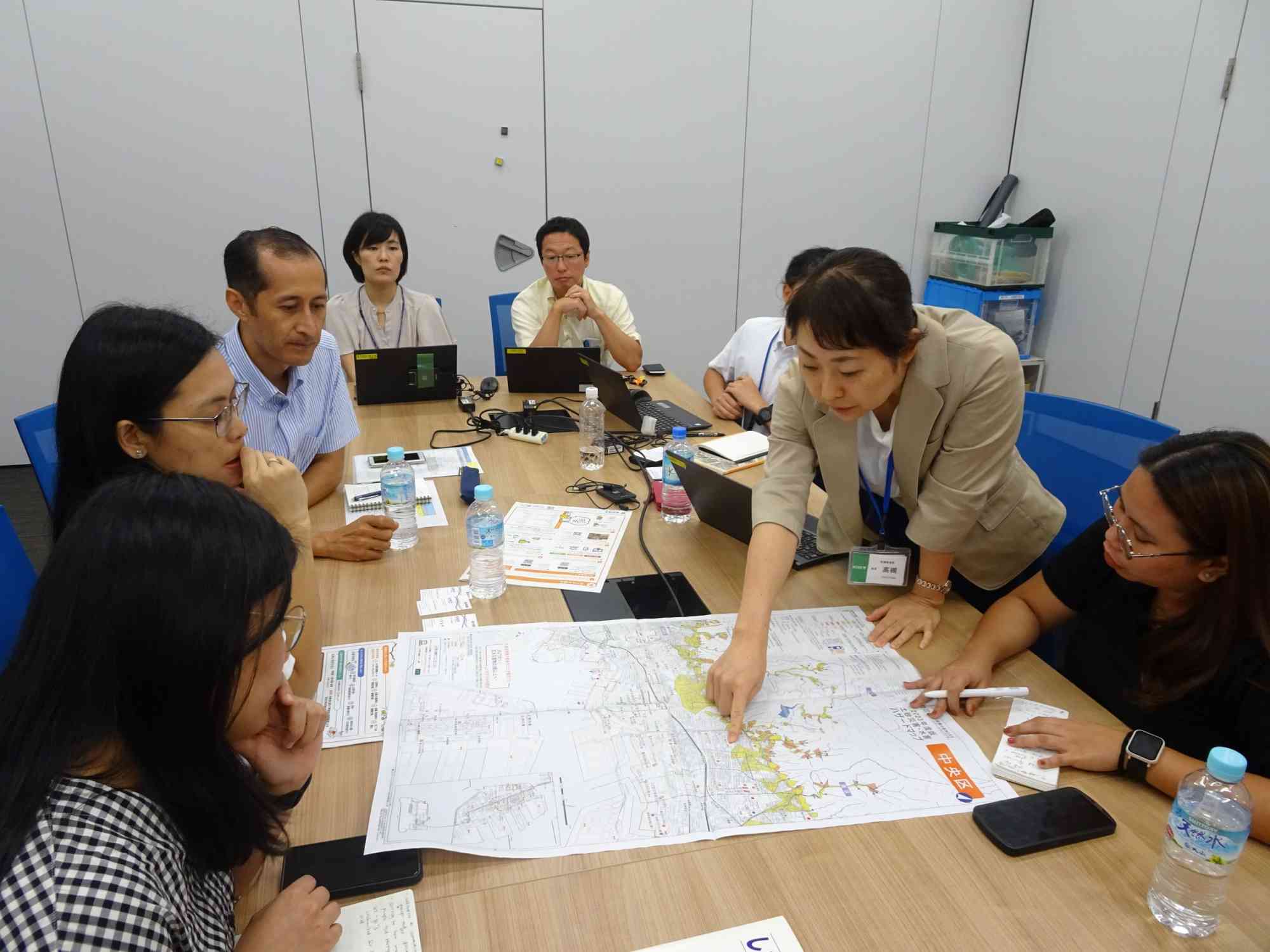
Representatives of Makati City Disaster Risk Reduction and Management Office (DRRMO) organized a study visit to Japan to explore new ideas, technology and management structure of public disaster education facilities in Kobe, Osaka, and Sakai cities.

    Description

    This study visit is based on supporting the development of Makati DRRM Academy which envisions delivering in-depth and enhanced disaster education and awareness programs for the public. The visit helped conceptualize the kind of facilities and programs needed for outreach activities on DRR for the general public which are both practical and provide science-based knowledge on understanding disasters better. The experiential learning facilities along with observations of preserved past disaster sites are an effective way of communicating risks and its countermeasures for both children and adults. The exposure to diverse knowledge dissemination strategies is essential for sustained interest in mitigating disaster risks.

    Did the Sendai Framework change or contribute to changes in your activities/organization? If so, how?

    The Sendai Framework has guided cities in CityNet to systemically develop the learning and application process to enhance their capacity to counter risks. Many of the local initiatives are anchored to the national DRR agenda.

    What led you to make this commitment/initiative?

    What was your position before making this Voluntary Commitment / prior to the Sendai Framework?

    As a network of local governments in the Asia-Pacific region, we realize there are still a vast majority of cities and communities that are at increased risk from disasters. To accelerate the learning process through direct exchanges and field visits, CityNet, through its Disaster Cluster supports a diverse range of knowledge exchanges for its members. CityNet has been developing such programs since 2009.

    Deliverables and Progress report

    Deliverables

    Deliverables are the end-products of the initiative/commitment, which can include issuance of publications or knowledge products, outcomes of workshops, training programs, videos, links, photographs, etc.

    Enhanced public outreach programs on DRR
    Intended date of delivery
    31 October 2023

    Makati DRRM Office is in the process of enhancing its public outreach to capacitate its residents on various hazards and risks that may exist in the city. By understanding how public outreach and awareness are designed and conducted in Japan, Makati is replicating applicable practices from Japan that are suitable for both children and adults. In addition to developing Makati's original programs, the practical and experiential programs are expected to be explored further in Makati to localize the lessons learned from Japan.
    File
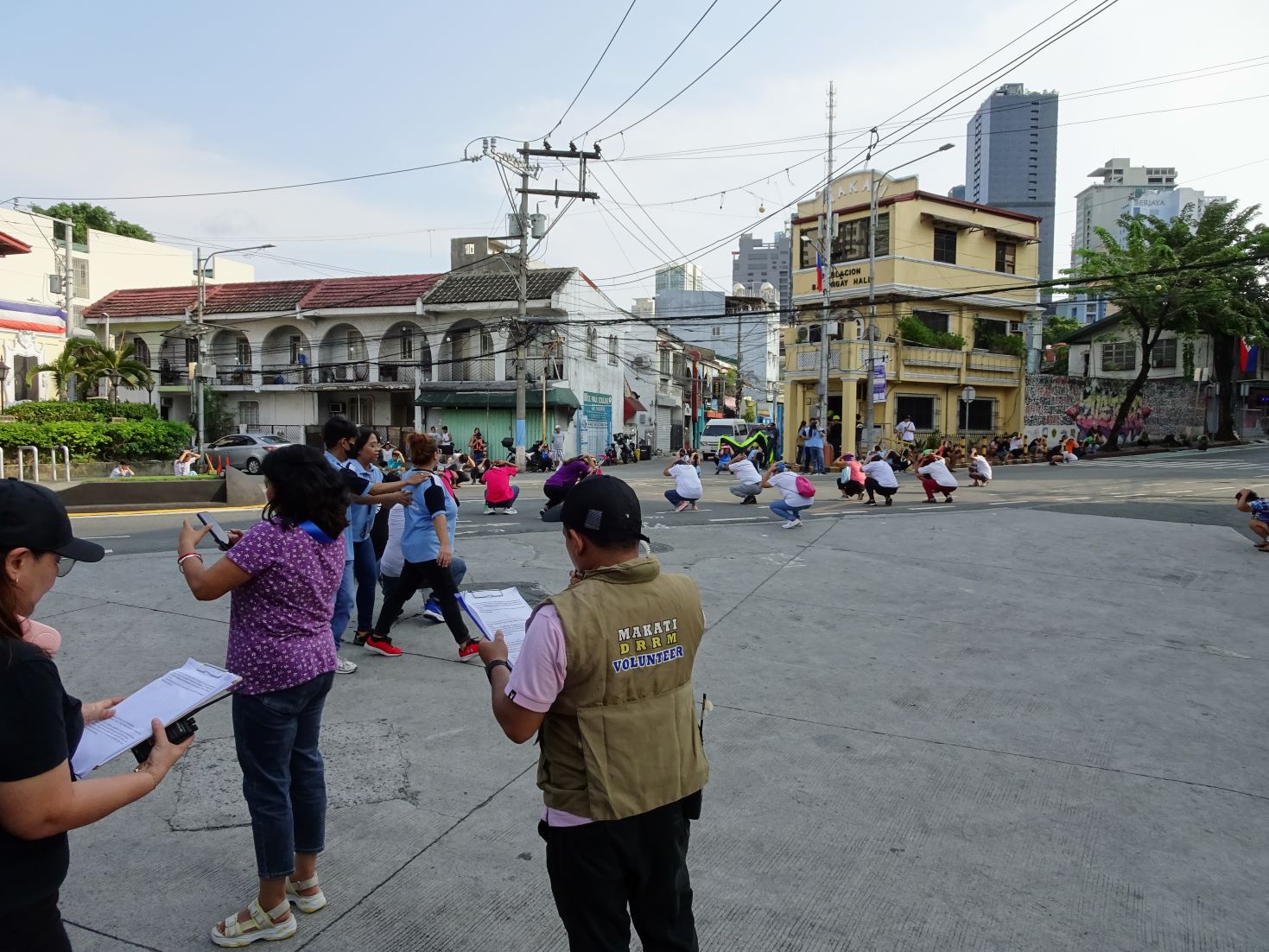
    Citizen centered earthquake drill in Makati (284.47 KB)
    Organizations and focal points

    Implementing Organization(s)

    • CityNet-Plus Arts Center for Creative Partnerships

    Focal points

    Main focal point
    Kendra Hirata (Executive Director, CityNet-Plus Arts Center for Creative Partnerships)
    Additional focal point(s)
    Liza Velle Ramos (MCR2030, ISO 37123 and CITYNET Disaster Cluster Focal Person | DRRM Research and Planning Division Head, City Government of Makati)

    Explore further

    Sendai priorities
    Priority 1Understanding disaster risk
    Priority 2Strengthening disaster risk governance to manage disaster risk
    Priority 4Enhancing disaster preparedness for effective response, and to «Build Back Better», rehabilitation and reconstruction
    Sendai targets and indicators
    A-1 (Compound)Number of deaths and missing persons attributed to disasters, per 100,000 population
    A-2Number of deaths attributed to disasters, per 100,000 population
    B-1 (Compound)Number of directly affected people attributed to disasters, per 100,000 population
    B-2Number of injured or ill people attributed to disasters
    C-1 (Compound)Direct economic loss attributed to disasters in relation to global gross domestic product
    D-5 (Compound)Number of disruptions to basic services attributed to disasters (compound indicator)
    D-6Number of disruptions to educational services attributed to disasters
    D-7Number of disruptions to health services attributed to disasters
    D-8Number of disruptions to basic services attributed to disasters
    E-2 (Compound)Percentage of local governments that have adopted and implemented local disaster risk reduction strategies in line with national strategies
    F-5Number of international, regional and bilateral programmes and initiatives for the transfer and exchange of science, technology and innovation in disaster risk reduction for developing countries
    F-7Number of international, regional and bilateral programmes and initiatives for disaster risk reduction-related capacity-building in developing countries
    G-4Percentage of local governments having a plan to act on early warnings
    G-6Percentage of population exposed to or at risk from disasters protected through pre-emptive evacuation following early warning
    Hazards Cyclone, Hurricane and Typhoon Earthquake Epidemic and Pandemic Flood Heatwave and Extreme Heat Volcano
    Themes Capacity development Children and Youth Civil Society/NGOs Climate change Community-based DRR Preparedness Data and information management Social impacts and social resilience
    Country and region Asia Japan Philippines
    Sustainable Development Goals SDG4: Quality education SDG11: Sustainable cities and communities SDG17: Partnerships for the goals
    Scope
    Regional - Asia, Japan, Philippines
    Scale of beneficiaries
    Less than 50 people
    Secured budget size
    100%
    Umbrella initiative(s)
    CityNet Disaster Cluster

    Is this page useful?

    Yes No
    Report an issue on this page

    Thank you. If you have 2 minutes, we would benefit from additional feedback (link opens in a new window).

    PreventionWeb is the global knowledge sharing platform for disaster risk reduction (DRR) and resilience.

    • Newsletter
    • Submit your content
    • Blog pitches
    • Submission and publishing policy
    • About PreventionWeb
    • Contact us

    Hazards

    • Avalanche
    • Cold Wave
    • Cyclone, Hurricane and Typhoon
    • Drought and Desertification
    • Earthquake
    • Epidemic and pandemic
    • Flood
    • Heatwave, extreme heat and heat stress
    • Insect infestation
    • Land subsidence
    • Landslide
    • Nuclear, biological, chemical (NBC)
    • Sea level rise
    • Technological hazard
    • Thunderstorm
    • Tornado
    • Tsunami
    • Volcano
    • Wildfire

    Regions

    • Africa
    • Americas
    • Asia
    • Europe
    • Oceania

    Themes

    Understanding & managing risk

    • Preparedness
    • Early warning
    • GIS and mapping
    • Data and information management
    • Risk identification and assessment
    • Small Island Developing States
    • Earth Observation

    Natural environment

    • Climate change
    • Environment and ecosystems
    • Food security and agriculture
    • Water

    Cross-cutting

    • Systemic risk
    • Recovery

    Human development

    • Capacity development
    • Children and youth
    • Civil society / NGOs
    • Community-based DRR
    • Cultural heritage
    • Gender
    • Human mobility
    • Inclusion
    • Social impacts and resilience

    Science, knowledge & advocacy

    • Disaster risk communication
    • Traditional and Indigenous knowledges
    • Science-policy-practice interface

    State, governance & economy

    • Financing DRR
    • Fragility and conflict
    • Governance
    • Insurance and risk transfer
    • Private sector

    Infrastructure & critical services

    • Critical infrastructure
    • Education and school safety
    • Health and health facilities
    • Structural safety
    • Urban risk and planning
    Loading