
Supply chain actors must accelerate adaptation efforts to respond to climate hazards, new white paper urges
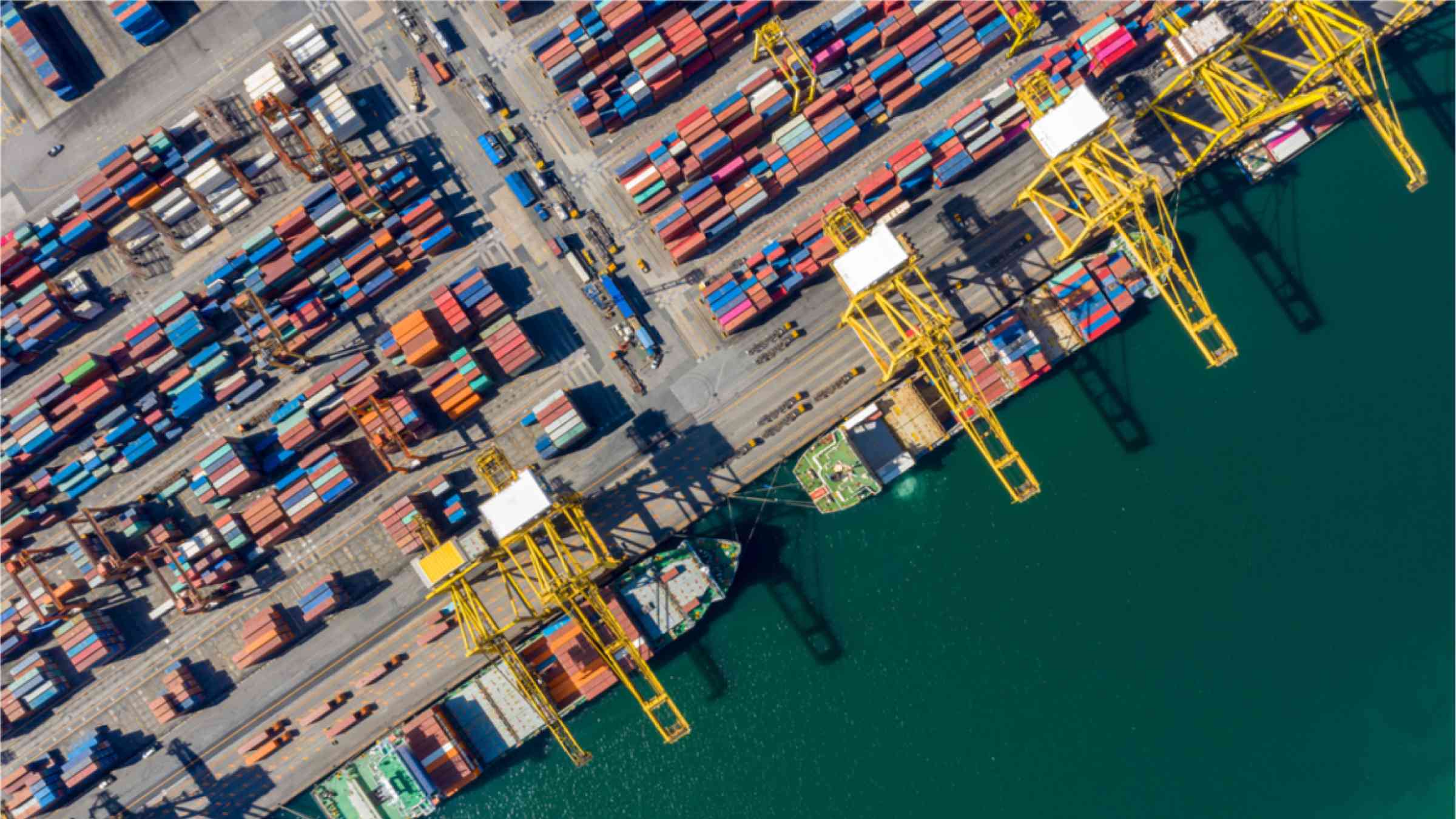
Climate change is becoming a critical threat to global logistics systems: climate hazards damage infrastructure, disrupt operations, and affect the workforce. To respond to this, shippers and logistic service providers (LSPs) must accelerate adaptation efforts. From assessing climate risks across their networks to reinforcing infrastructure to withstand climate shocks, adaptation is not only key to ensuring resilient supply systems but is simply good business.
In a new White Paper, “Logistics in a +2°C World”, launched at the 2025 International Transport Forum, the Kuehne Climate Center highlights the damage caused by shifting weather patterns and more frequent extreme events across the entire breadth of global supply chains. This results in growing operational and financial risks for both shippers and logistics service providers, who are responsible for keeping goods moving.
This damage can cascade across entire supply chains, affecting industries and, ultimately, consumers across the world. Despite the increasing risks, however, adaptation efforts in the logistics sector remain inadequate. As such, the white paper calls on shippers and logistics service providers to step up adaptation efforts and help strengthen the climate-resilience of supply chains.
The White Paper highlights three key investment priorities:
- Assessing climate risks across their networks. A forward-looking approach, leveraging climate projections and advanced analytics, is essential.
- Cultivating best-in-class operational resilience. This implies strengthening planning and response capabilities to proactively anticipate and manage climate hazards.
- Hardening critical infrastructure. For self-owned infrastructure, climate-proofing measures can be integrated directly into master plans; for third-party infrastructure, collaboration with assets owners—either directly or via industry associations—to share practical insights and develop business cases is the way to go.
Prof. Alan McKinnon, Professor of Logistics at the Kuehne Logistics University said:
“Adaptation has long been the ‘poor relation’ of climate change policy, generally underresourced and often neglected. This is particularly serious for logistical activities as they are typically exposed to high levels of climate risk and their disruption can have wide economic and social consequences.”
“Governments and businesses need to be doing more at a strategic level to adapt logistics systems to the adverse effects of climate change rather than simply reacting to weather-related disasters after they occur.”
The White Paper sheds light on a critical issue for businesses, consumers and the global economy as a whole: the threat posed by climate change to logistics systems. It is a call to action for shippers and logistics service providers to accelerate meaningful adaptation efforts, both as a climate imperative and a business necessity. It aims to start a broader discussion to jointly create supply chain resilience.