
Roots of resilience: How Mozambique's families are rebuilding their lives and their land
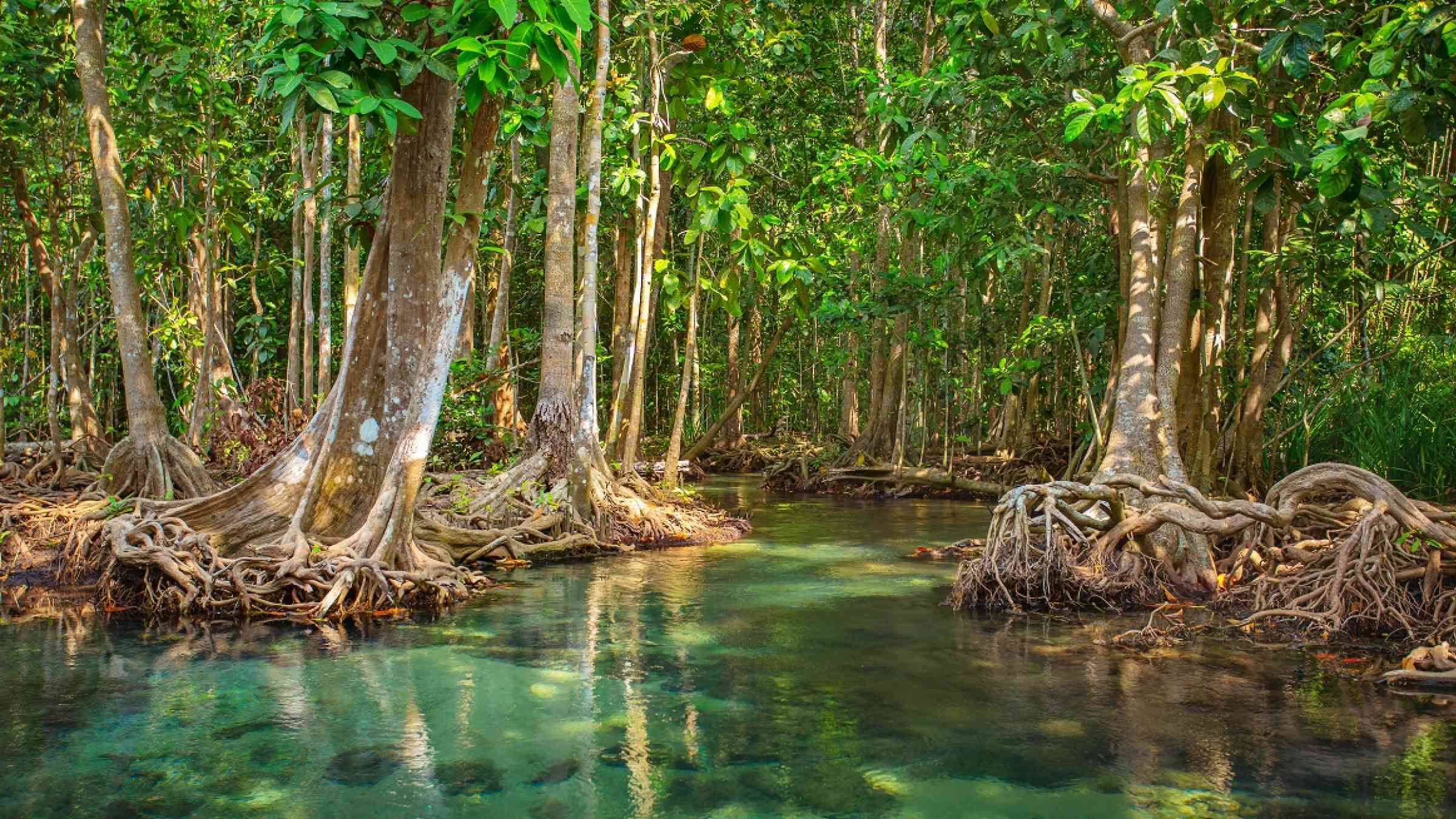
At sunrise on Zalala Beach in central Mozambique, Inácia Laquareta Abraão carefully plants rows of casuarina trees along the shoreline.
A few years ago, the 52-year-old grandmother struggled to feed the three grandchildren left in her care after the death of her daughter. The family relied on subsistence farming and irregular income, and food shortages were a recurring reality.
Today, the trees she helps plant protect the coast from erosion. The income she earned through Mozambique's Productive Social Action Program (PASP) has also allowed her to invest in a small machamba (plot of land), where she grows tomatoes, rice, and beans. She reflects: "The most important thing is that I created my machamba. I worked to overcome hunger and support the development of our children."
Addressing poverty, climate instability and economic exclusion
Across Mozambique, poverty is often compounded by climate shocks, limited job opportunities, and economic vulnerability. Since its launch in 2012, PASP has helped more than 300,000 people across all 11 provinces in Mozambique by combining cash transfers, skills development, and productive grants. Most participants are women living in some of the country's most climate-exposed and economically marginalized communities.
Implemented by the Government of Mozambique, with support from the World Bank through the Social Protection for Economic Resilience Project and other development partners, the program helps families meet immediate needs while building skills, assets, and opportunities needed to earn a living long after support ends.
Participants receive income while contributing to projects that benefit their communities, including coastal protection, riverbank restoration, erosion control, and rural infrastructure improvements.
Protecting communities while creating jobs
In Zalala, coastal erosion threatens homes, livelihoods, and local ecosystems. By planting casuarina trees and restoring degraded areas, program participants help protect the coastline while earning an income and developing new skills. Rosa Soalê Alte shares the immediate impact on her family: "I was able to buy roofing sheets and chairs. With the money, I can also buy flour, notebooks, and pens for my grandchildren."
In Maquival Sede, also near Quelimane, beneficiaries restore the banks of the Mugogoda River by planting willows to reduce erosion that threatens farmland and nearby communities. According to Carlota Benjamin, Head of the Development Program Department at Mozambique's National Institute of Social Action (INAS): "Beneficiaries are not just recipients. They have the capacity to work and contribute to their communities."
PASP is also helping expand financial inclusion through digital payments. More than 200,000 electronic money accounts have been opened through the program, helping many participants access formal financial services for the first time.
What happens after the program ends
In parts of Sofala Province, former beneficiaries continue to apply the skills they learned, expand their farms, and generate income years after completing PASP. In Chueza, families who learned brick-making through the program have built stronger houses that are better able to withstand extreme weather. Ernestina Fernando Paulo reflects: "Before, I lived in a thatched house. Using the skills I learned, especially brick-making, I was able to build my own brick house."
In the Unidade Africana neighborhood, farming groups established during the program continue to cultivate collective plots. In 2025 alone, they produced around 14 tons of cassava, sweet potatoes, tomatoes, onions, and cabbage for household consumption and local markets.
Social protection that builds autonomy and capacity
Samantha Zaldivar Chimal, Senior Social Protection Specialist at the World Bank, explains: "We have evidence from across Africa that combining cash transfers with interventions such as savings, entrepreneurship support, and access to finance can create lasting impacts on income, assets, savings, and women's empowerment."
Fily Sissoko, World Bank Division Director for Comoros, Madagascar, Mauritius, Mozambique, and Seychelles, adds: "Programs like PASP help connect social protection beneficiaries to economic opportunities. In highly informal economies, this can be one of the most direct pathways toward employment and more sustainable livelihoods."
Looking ahead, the Government of Mozambique and the World Bank are working to expand PASP's reach and build on lessons from graduates and international experience, strengthening pathways to jobs, self-employment, and sustainable livelihoods.