
Call for contributions to the special issue of Journal of Flood Risk Management: “Innovation Management toward Improved Resilience to Flooding”
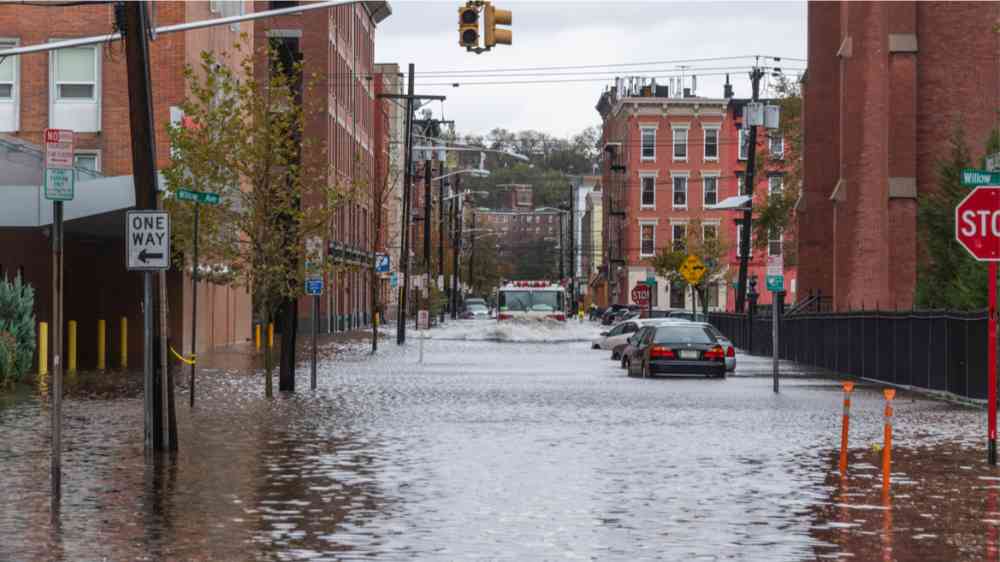
The increasing severity and frequency of flood events globally combined with scarcity of resources, have urged various stakeholders to consider adopting and implementing innovative solutions to mitigate the impacts and adapt to improve resilience. To bring most benefits, these innovative solutions should be mainstreamed, embedded within social systems, and supported by appropriate governing frameworks. Despite their potential, such innovative solutions can also introduce greater risk of failure and unintended consequences if the adoption and implementation process is not carefully managed.
This Special Issue invites papers reporting the findings of research into the management of innovation to improve the resilience to flooding. Contributing papers may report on the adoption and implementation process of flood resilience innovation in a specific group or unit of adopters (such as local communities). Alternatively, papers may present the development of specific innovation (e.g. technological, organisational, new product, or process) to improve flood resilience. In any case, papers are expected to describe how the proposed solutions are innovative (i.e. contributing to the advancement of specific subject of research), and identify lessons learnt for the management of innovation, or for enhancing their implementation in different cases and situations.
Further details regarding the call for papers are available here.
Potential contributors are invited to consult and/or send a synopsis of their paper to Guest Editors; [email protected] and [email protected] for guidance regarding the suitability and development of the paper.
The Journal of Flood Risk Management is a premier journal in the field (CiteScore Scopus: 7.7; Impact Factor: 4.1) and open access. For accepted papers, Article Processing Charge (APC) may be chargeable.
Fee waivers
The publishers, Wiley, offers Full Fee Waivers and Discounts to authors based in low- and lower middle-income countries and locations; please check this information.
The submission deadline for full papers is 31 January 2025.