1. Home
  2. Knowledge Base | PreventionWeb
  3. Themes

Structural safety

Any physical construction to reduce or avoid possible impacts of hazards, or the application of engineering techniques or technology to achieve hazard resistance and resilience in structures or systems. Disaster mitigation, such as retrofitting and implementing building codes is a key disaster risk management activity.
ISO 22372 sets the first international reference point for safer, more reliable and risk-informed infrastructure.

Latest Structural safety additions in the Knowledge Base

Uploaded on
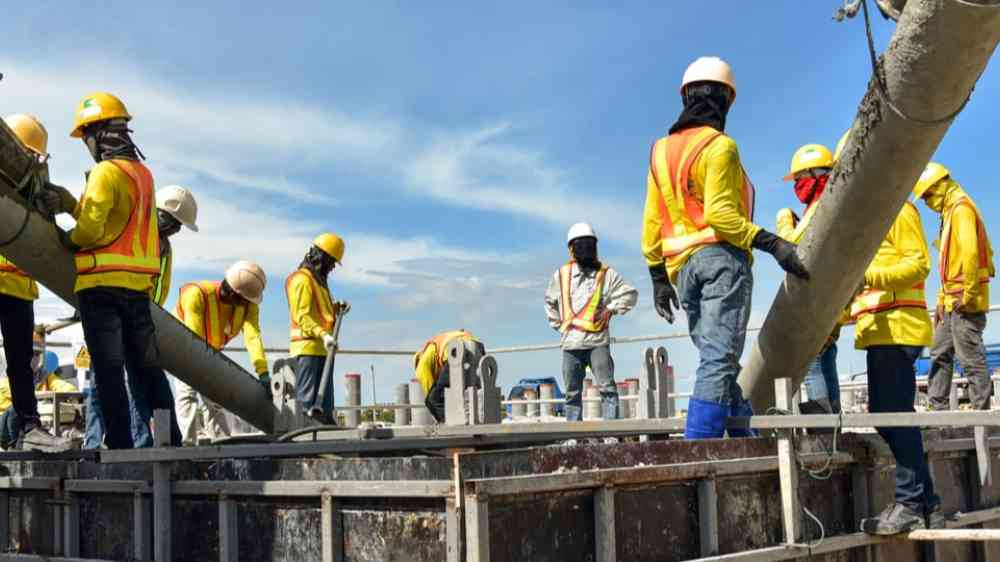
Construction workers pouring concrete in a construction site
Update

Simona Bianchi and Mauro Overend from Delft University of Technology explain why multi-disciplinary approaches are key to creating safer, eco-friendly, and resilient buildings that protect urban communities and ensure long-term sustainability.

Open Access Government
Case study
Location: Poland
A complex engineering intervention secured slopes at risk of landslides in the Małopolska region, Poland. It ensures the continued operation of road transport in areas affected by increasing intense rainfall due to climate change.
  • Climate-ADAPT
Review on tsunami research and risk mitigation: from prediction models to resilient coastal communities thumbnail
Documents and publications

This review synthesizes advances in multi-source observations, signal detection, propagation and inundation modeling, physics–AI hybrid prediction, and real-time warning workflows.

npj Natural Hazards (Nature)
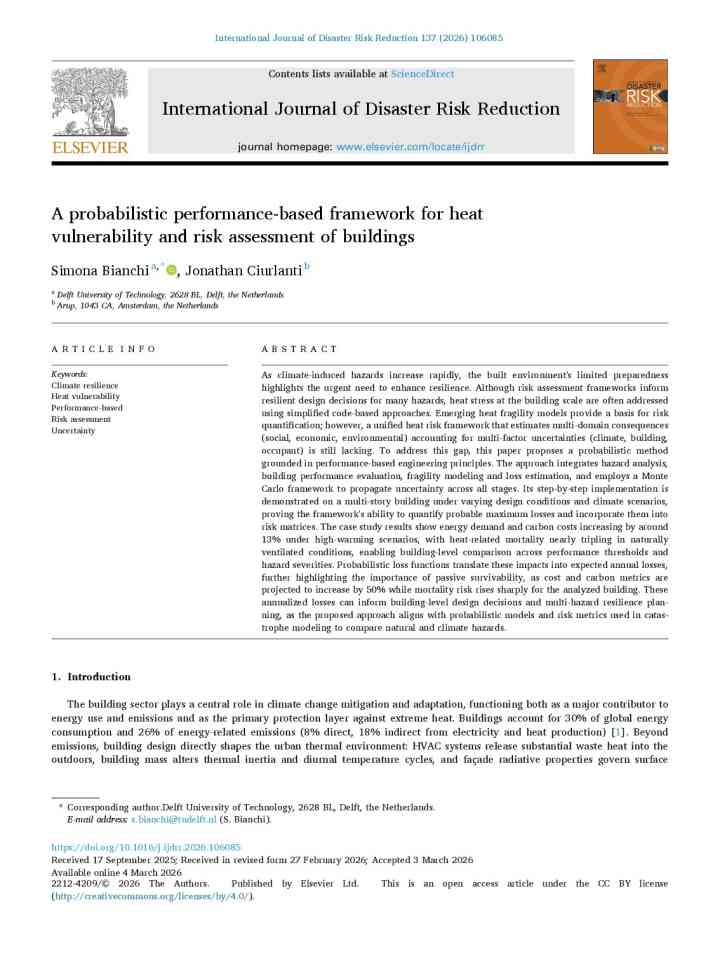
A probabilistic performance-based framework for heat vulnerability and risk assessment of buildings thumbnail
Documents and publications

As climate-induced hazards increase rapidly, the built environment's limited preparedness highlights the urgent need to enhance resilience.

International Journal of Disaster Risk Reduction (Elsevier)
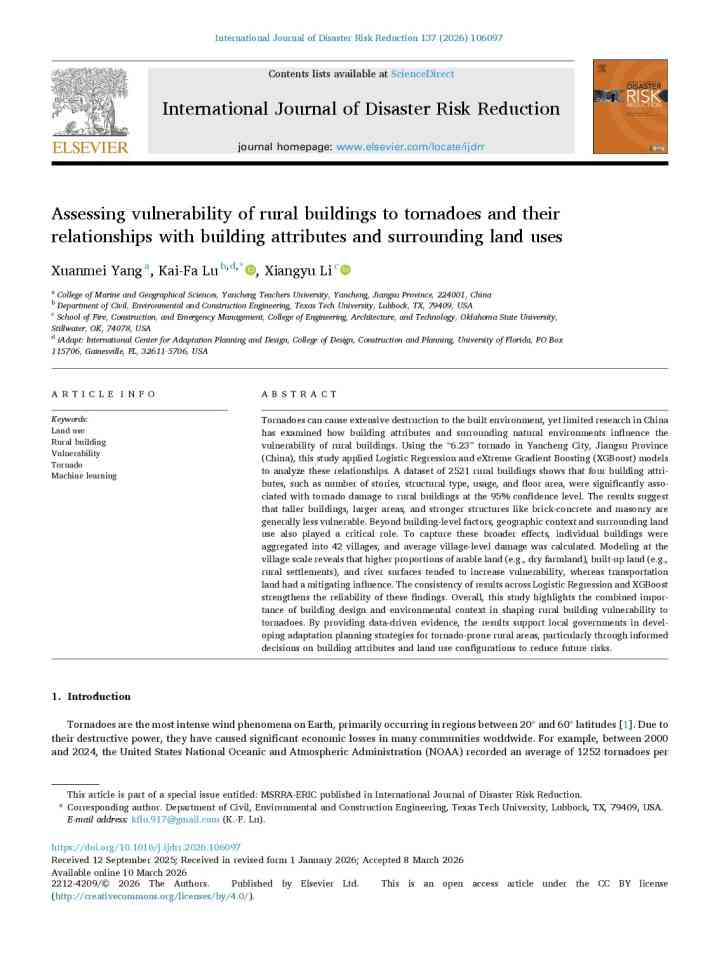
Assessing vulnerability of rural buildings to tornadoes and their relationships with building attributes and surrounding land uses thumbnail
Documents and publications

This study presents an empirical assessment of rural building vulnerability to tornadoes in Yancheng City, Jiangsu Province, China, with a particular focus on how building attributes and surrounding land‑use patterns shape disaster risk.

International Journal of Disaster Risk Reduction (Elsevier)
Cover
Educational materials

This education booklet was produced in the context of the RAHAT project which focuses on extreme heat vulnerability in informal housing in Jodhpur, western India, where climate change is intensifying temperature extremes.

University of Cambridge
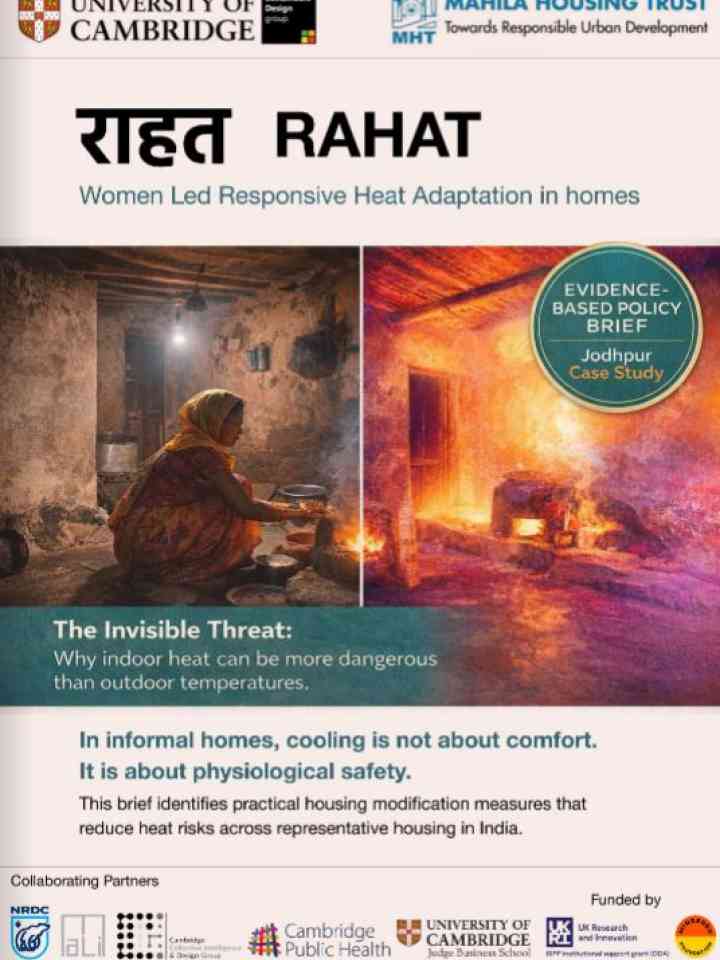
Cover
Documents and publications

The brief examines how women-led housing adaptations can reduce dangerous indoor heat exposure in informal homes in India.

University of Cambridge
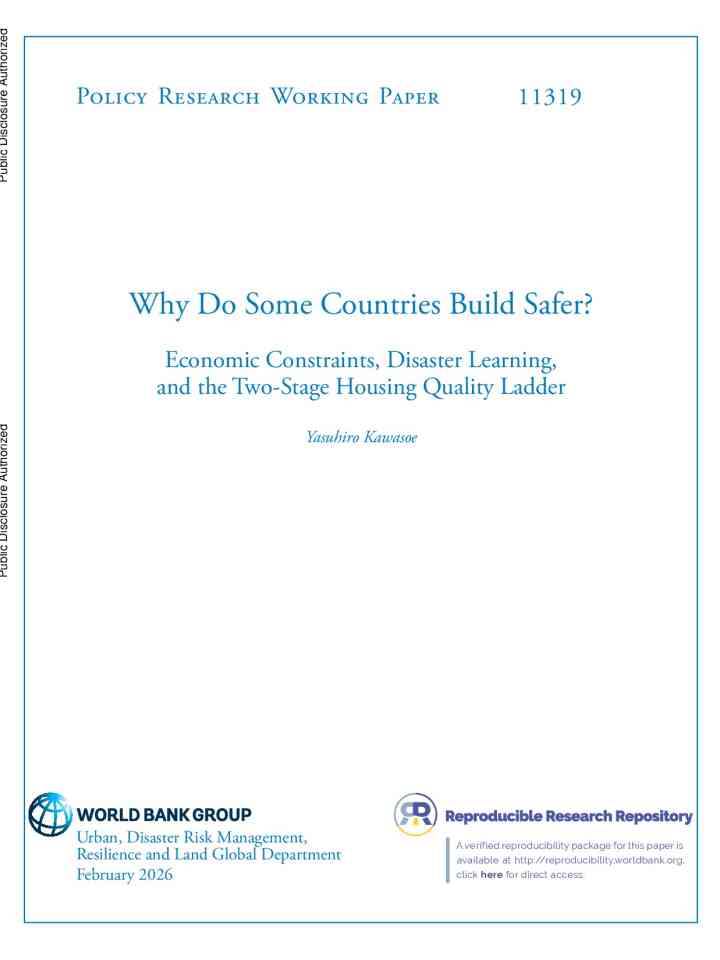
Why do some countries build safer Economic constraints, disaster learning, and the two-stage housing quality ladder thumbnail
Documents and publications

This paper addresses the question in the title using a novel data set on housing robustness in 150 countries and proposes a "two-stage housing quality ladder" framework.

World Bank, the
Uploaded on