1. Home
  2. Knowledge Base | PreventionWeb
  3. Hazards

Insect infestation

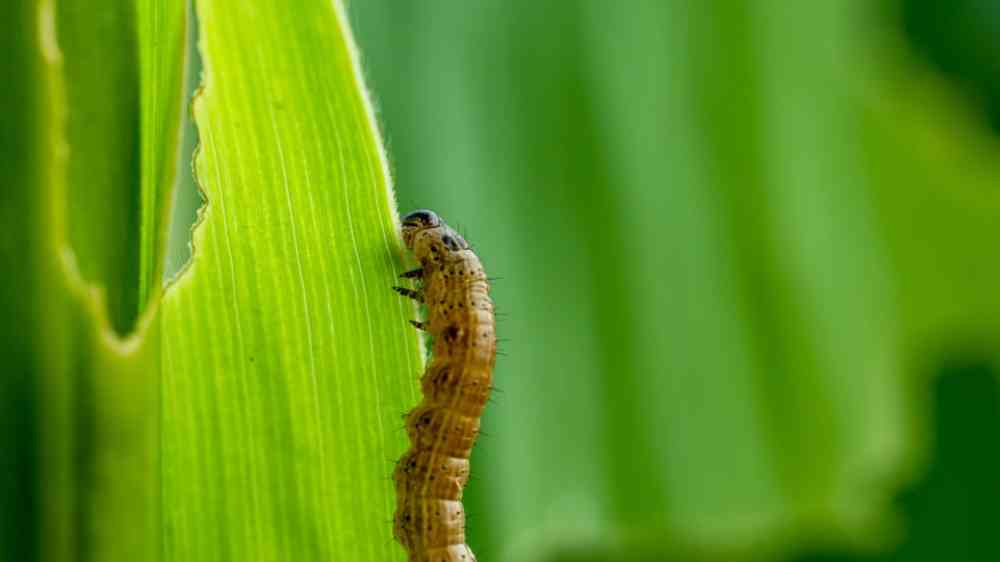
An insect pest infestation is a recently detected insect pest population, including an incursion, or a sudden significant increase of an established insect, disease agents or weed population in an area leading to damage to plants in production fields, forests or natural habitats and causing substantial damage to productivity, biodiversity or natural resources (adapted from FAO, 2019).

This planting technique reduces crop losses and improves food security.

Risk factors

Higher temperature, severe and extreme weather events and drought stress can all result in reduced vigour of trees, making them more vulnerable to outbreaks of native and introduced pests and diseases. For example, the dieback of millions of hectares of pine forests caused by outbreaks of native bark beetles in Central America, Europe and North America is associated with climate change, impacts of extreme weather events, and, in some cases, inadequate forest management practices (FAO, 2020b).

Favourable climatic conditions, disruption of ecosystems and negligence of crop/forest hygiene contribute to growth in insect populations which can cause substantial damage regularly. In many cases, long distance spread of insects results from transportation of infested goods.

Risk reduction measures

Following principles of sustainable plant production, sustainable forest management and integrated pest management practices are the best approach for control, focusing on diversified production systems, regular surveillance, preparedness before potential outbreaks, and a rapid response to prevent escalation to unmanageable scales (Guzewich et al., 1997). Post disaster needs assessment (PDNA) is designed to evaluate immediate needs for recovery and restoration for better disaster response (HIP).

Latest Insect infestation additions in the Knowledge Base

Uploaded on
Update

Information from satellites is being used in a new way to predict favorable conditions for Desert Locust swarms, as part of an early warning collaboration by scientists from the European Space Agency (ESA) and Desert Locust experts at the UN Food and Agriculture Organization (FAO). The new technology will help to increase the warning time for locust outbreaks by up to two months.

Food and Agriculture Organization of the United Nations (FAO)
Documents and publications

The aim of this study is to scrutinize the relationship between adaptation and resilience with reference to two Nepalese villages, Khumjung and Ingla, which recently experienced earthquake and pest attacks on crops, respectively. It does so through

Elsevier
Update

Farmers in Sub-Saharan Africa are to benefit from a new project that aims to develop early warning system to help cut crop losses resulting from pests. The project will forecast pest outbreaks using cutting-edge space infrastructure, Earth observation data and state-of-the-art modelling techniques.

Science and Development Network
Update

Countries in east, central and southern Africa need over US$4 million to battle a locust plague that is threatening the food security of the majority of people who depend on agriculture for survival. The additional resources are needed to get a spray aircraft and implement locust control programmes.

Southern Times, the
Update

Locusts have become public enemy number one in the fields and pastures of Niger. As one invasion costs as much as 170 years of prevention, the threat is high and as steps are being taken to prevent invasions involving both growers as well as officials.

Science and Development Network
Research briefs

The unprecedented increase in alien species can have negative impacts on native ecosystems and the global homogenisation of floras and faunas. While legislations are currently in force globally to mitigate the introduction of new alien species, urgent implementation of more effective prevention policies is needed.

Senckenberg Biodiversität und Klima Forschungszentrum
Update

A three-day Regional Emergency Meeting discussing new transboundary crop and livestock pests in Southern Africa kicked off today with a call for increased investment in preparedness and response capacities to new and endemic threats in Southern Africa.

Food and Agriculture Organization of the United Nations (FAO)
Update

The invasion of the Fall armyworm poses a serious threat to African agriculture and food security as well as international trade. They have a number of characteristics that make them particularly hard to control: Moths are strong flyers, they breed at an astonishingly high rate, their larvae can feed on a particularly wide range of host plants.

Conversation Media Group, the
Uploaded on