1. Home
  2. Knowledge Base | PreventionWeb
  3. Hazards

Insect infestation

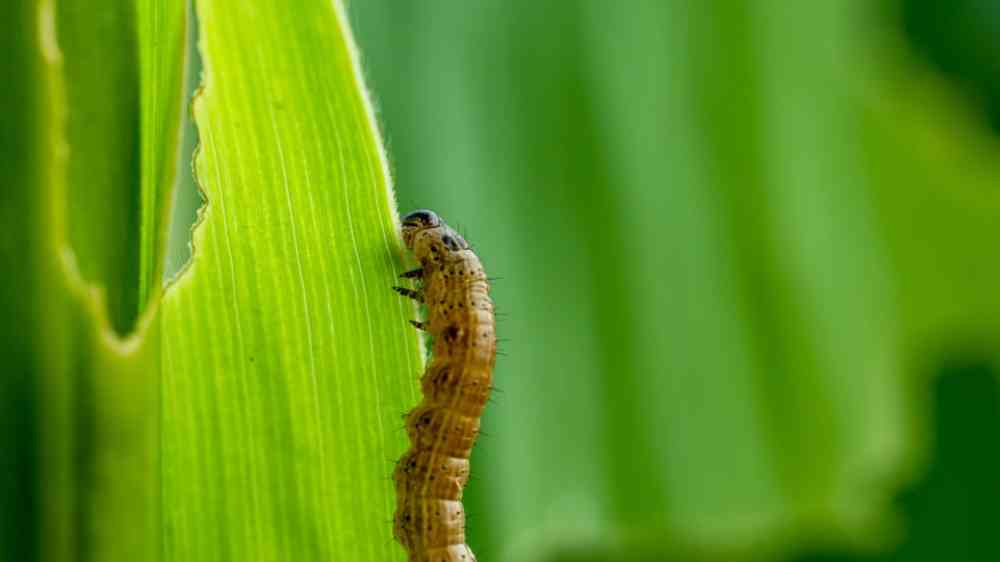
An insect pest infestation is a recently detected insect pest population, including an incursion, or a sudden significant increase of an established insect, disease agents or weed population in an area leading to damage to plants in production fields, forests or natural habitats and causing substantial damage to productivity, biodiversity or natural resources (adapted from FAO, 2019).

This planting technique reduces crop losses and improves food security.

Risk factors

Higher temperature, severe and extreme weather events and drought stress can all result in reduced vigour of trees, making them more vulnerable to outbreaks of native and introduced pests and diseases. For example, the dieback of millions of hectares of pine forests caused by outbreaks of native bark beetles in Central America, Europe and North America is associated with climate change, impacts of extreme weather events, and, in some cases, inadequate forest management practices (FAO, 2020b).

Favourable climatic conditions, disruption of ecosystems and negligence of crop/forest hygiene contribute to growth in insect populations which can cause substantial damage regularly. In many cases, long distance spread of insects results from transportation of infested goods.

Risk reduction measures

Following principles of sustainable plant production, sustainable forest management and integrated pest management practices are the best approach for control, focusing on diversified production systems, regular surveillance, preparedness before potential outbreaks, and a rapid response to prevent escalation to unmanageable scales (Guzewich et al., 1997). Post disaster needs assessment (PDNA) is designed to evaluate immediate needs for recovery and restoration for better disaster response (HIP).

Latest Insect infestation additions in the Knowledge Base

Uploaded on
Update

As the pest strikes for the second consecutive year, farmers have no recourse in terms of insurance cover in case their crops are devastated. The US Agency for International Development (USAid) estimates that up to 50 per cent of the maize crop could be destroyed.

Nation Media Group Limited
Update

The armyworm has now spread across the African continent in two years, leaving only four countries in yet to report infestations as of March 2018: Eritrea, Lesotho, Mauritius, and Seychelles. In 12 key countries, it could cause maize crop losses of 8.3-20.6 million metric tons annually, threatening the food supply for up to 100 million people in those 12 countries alone.

Meister Media Worldwide
Update

Kenya and other major maize-producing countries in Africa could incur “staggering” food and financial losses from the invasion of a voracious pest known as the fall armyworm, a USAID official warned. The anticipated ravages caused by the insect could well worsen critical food shortages afflicting parts of Kenya and other African countries.

Nation Media Group Ltd.
Nation Media Group Limited
Update

FAO has launched a mobile application to enable farmers, agricultural workers and other partners at the frontline of the fight against Fall Armyworm in Africa to identify, report the level of infestation, and map the spread of this destructive insect, as well as to describe its natural enemies and the measures that are most effective in managing it.

Food and Agriculture Organization of the United Nations (FAO)
Documents and publications

This guide provides an overview of the effect of fall armyworm (FAW) infestations in maize crops in Africa, promising management options and the role of Farmer Field Schools (FFS) for integrated pest management.

The first part of the guide summarizes

Food and Agriculture Organization of the United Nations (FAO)
Update

In 2017, FAO was at the forefront of supporting countries to tackle the fall armyworm, to reduce the risk of food insecurity among millions of Africans who depend on maize and other crops for their livelihoods. FAO’s technical expertise and ability to leverage its broad technical networks helped guide the response as the pest spread to new areas across the continent.

Food and Agriculture Organization of the United Nations (FAO)
Documents and publications

This technical manual shares the latest protocols related to integrated pest management (IPM) to control fall armyworm (FAW) in Africa. Within a short span of its introduction in Africa, FAW has been confirmed in over 30 African countries and it is likely

United States Agency for International Development (USAID)
Feed the Future
CGIAR Research Program on Climate Change, Agriculture and Food Security
Documents and publications

This paper provides a rapid explanation of what happened during the locust outbreak on Sumba Island, Indonesia, which started on 10 June 2017. It documents the scale of the events, where are the hotspots are and what emergency action has been taken by

Institute of Resource Governance and Social Change
Uploaded on