Nepal-China: Flash floods 2026

Introduction
The catastrophic flood in Nepal and China on 26 August 2026 is a devastating reminder that disasters rarely occur in isolation.
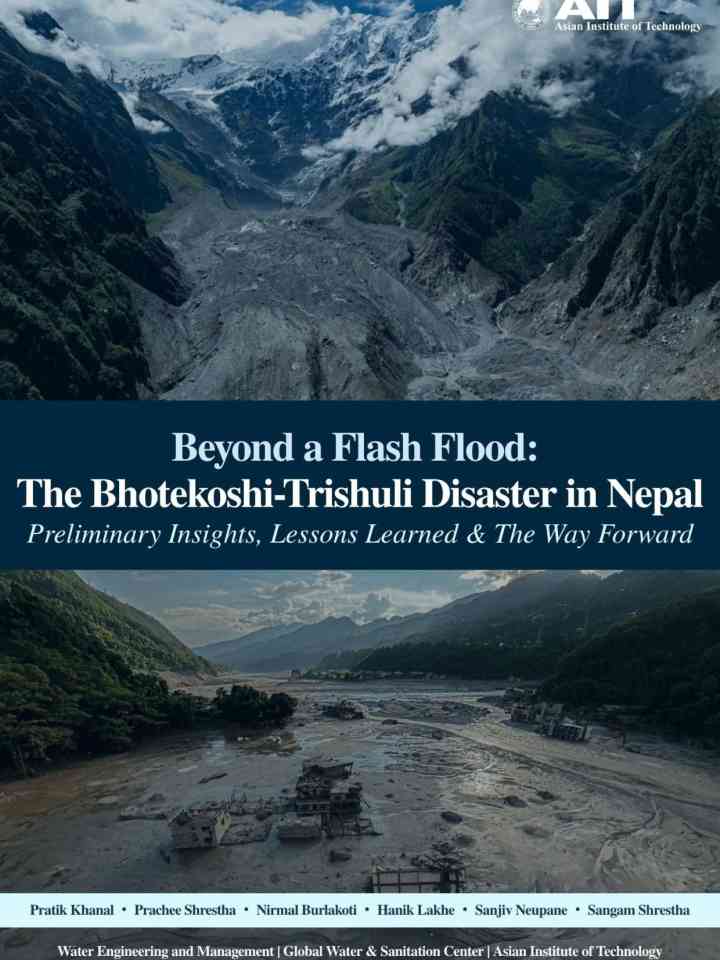
A massive collapse of glacial ice, rock and debris high in the Himalayas generated destructive flash flooding that surged through interconnected river valleys damaging villages, towns and infrastructure. Homes, roads and bridges were swept away in Nepal's Rasuwa, Nuwakot, Dhading, Gorkha and Tanahun Districts along the Nepal-Tibet border cutting off entire communities. At least 84,270 people, including 32,00 children, have been affected, with at least 1,287 people known to have died.
Investigators have examined a chain of events high in the Himalayas where one natural hazard seems to have triggered another. Such phenomena are known as “cascading hazards” – chain reactions where an initial event directly triggers a sequence of subsequent events, often creating a much larger disaster.
Climate change is known to be driving faster glacier melt in the Hindu Kush Himalaya region, but scientists say it is too soon to pinpoint its role in these floods. The key question is how that avalanche produced such a huge volume of fast-moving water and debris. The most compelling explanation so far comes from Nepal’s hydrology department. Satellite images appear to show the avalanche blocking the river with ice and debris about 20km upstream of the Nepal-Tibet border. It’s been suggested that water accumulated behind this temporary dam before it failed and sent a sudden surge downstream.
Discover this collection of content resources on the 2026 flash floods in Nepal and Tibet.