
Items: 33

The Emergency Management Act 2026 establishes New Zealand’s framework for hazard management, preparedness, emergency response, recovery, governance, planning, essential infrastructure, compliance, and compensation arrangements.
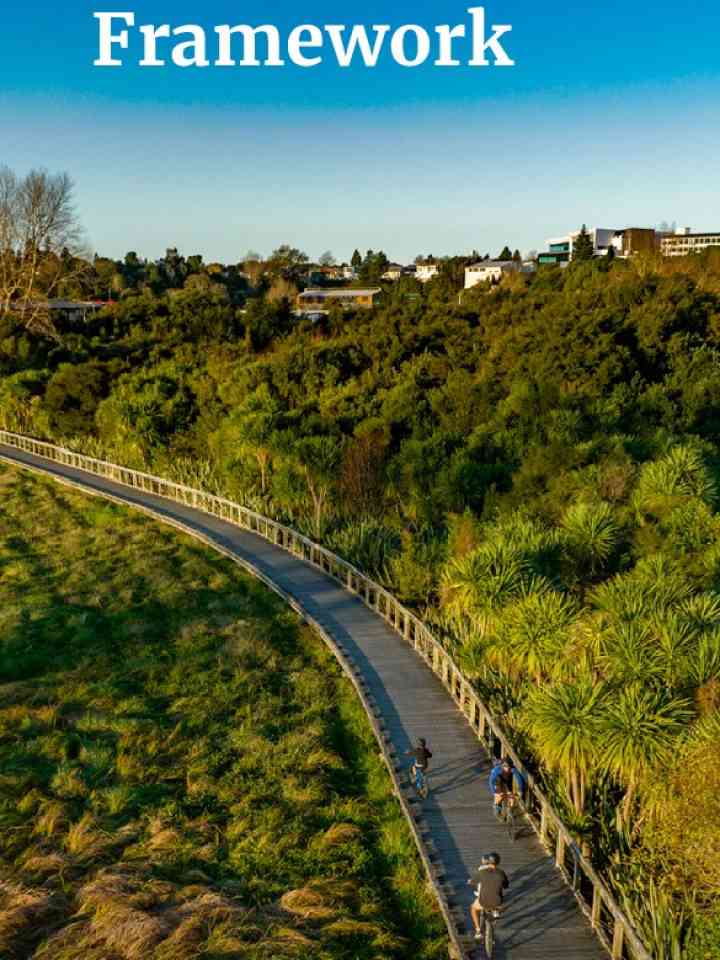
The New Zealand government developed a long-term approach for building New Zealand's resilience to risks from natural hazards such as floods and storms.
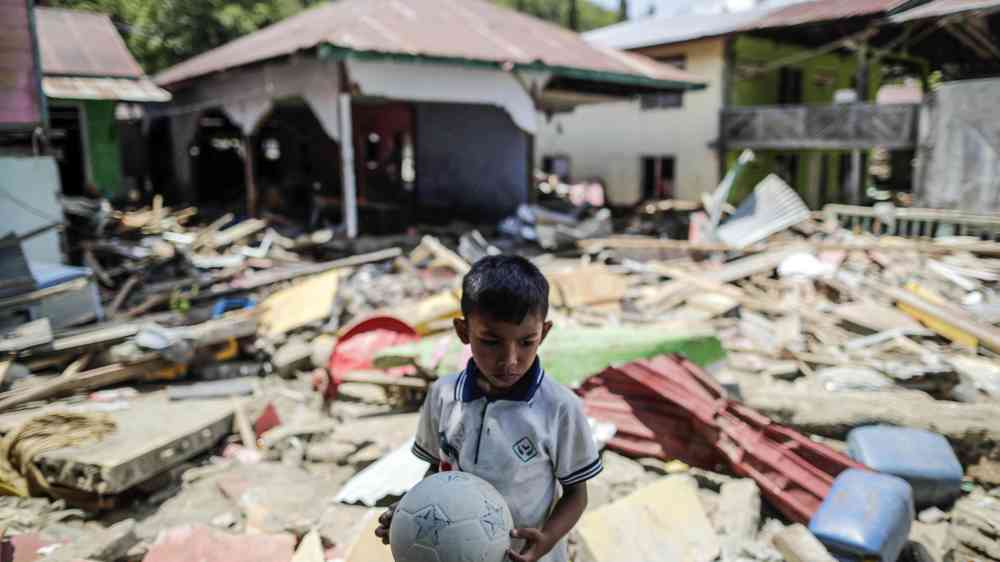
On World Tsunami Awareness Day 2024, NEMA urges New Zealanders to check if they’re in a tsunami zone and practice evacuation routes. While awareness is high, knowing where to go and being prepared are key to staying safe in an emergency.

This Act establishes the Natural Hazards Insurance Act 2023, which provides insurance against natural hazard damage for residential buildings and residential land in New Zealand.
New Zealand's Voluntary National Report for the Midterm Review of the Implementation of the Sendai Framework for Disaster Risk Reduction 2015-2030 (MTR SF).

This document sets out Aotearoa New Zealand’s long-term strategy and first national adaptation plan.
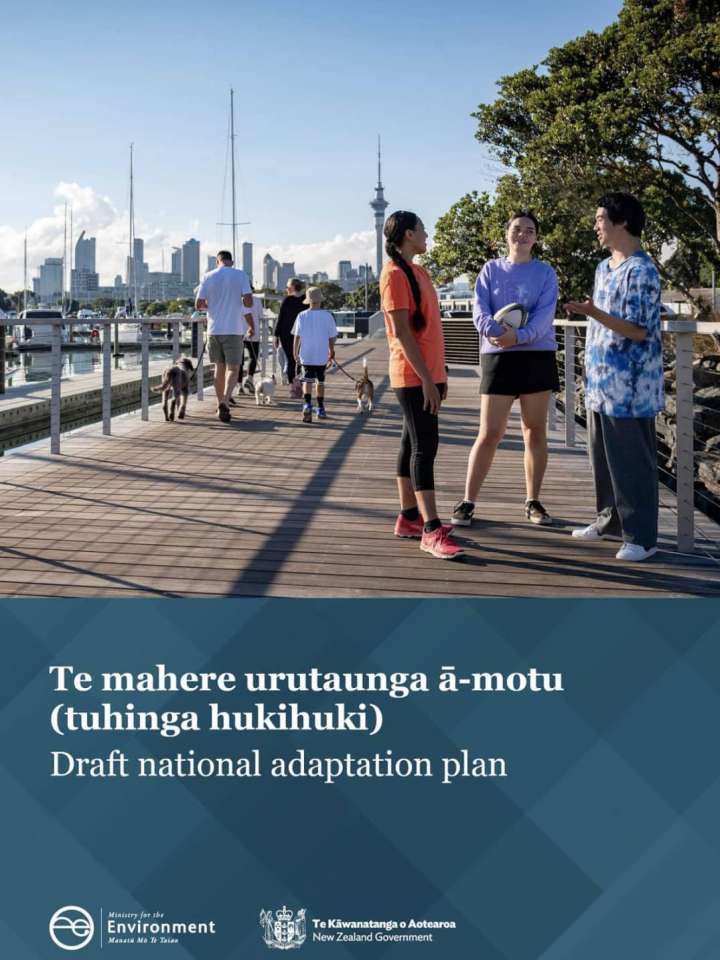
This is New Zealand’s first national adaptation plan. It’s a very important milestone in the journey of every New Zealander to resilience and adaptation. It sits alongside the emissions reduction plan

NZ will be the first country in the world to require the financial sector to report on climate risks, the Minister for Climate Change James Shaw announced today.
Voluntary Commitments
The organization has no registered commitments.
The Sendai Framework Voluntary Commitments (SFVC) online platform allows stakeholders to inform the public about their work on DRR. The SFVC online platform is a useful toolto know who is doing what and where for the implementation of the Sendai Framework, which could foster potential collaboration among stakeholders. All stakeholders (private sector, civil society organizations, academia, media, local governments, etc.) working on DRR can submit their commitments and report on their progress and deliverables.