Items: 72
Consise set of guidelines detailing the reconstruction of housing affected by 2004 Indian Ocean and Tsunami. Main sections include: disaster and effects, construction and planning aspects for resistance against disasters, retrofitting of exiting buildings, repairs and strengthening of buildings.
This report addresses disasters that are the product of a hazard such as earthquake, flood or wind storm coinciding with a vulnerable situation which might include communities, cities or villages.
National efforts, vol. 1
This document looks back at what India has been done in the past and into take new initiatives during the Decade, and plan ahead for reducing the impact of the natural hazards.
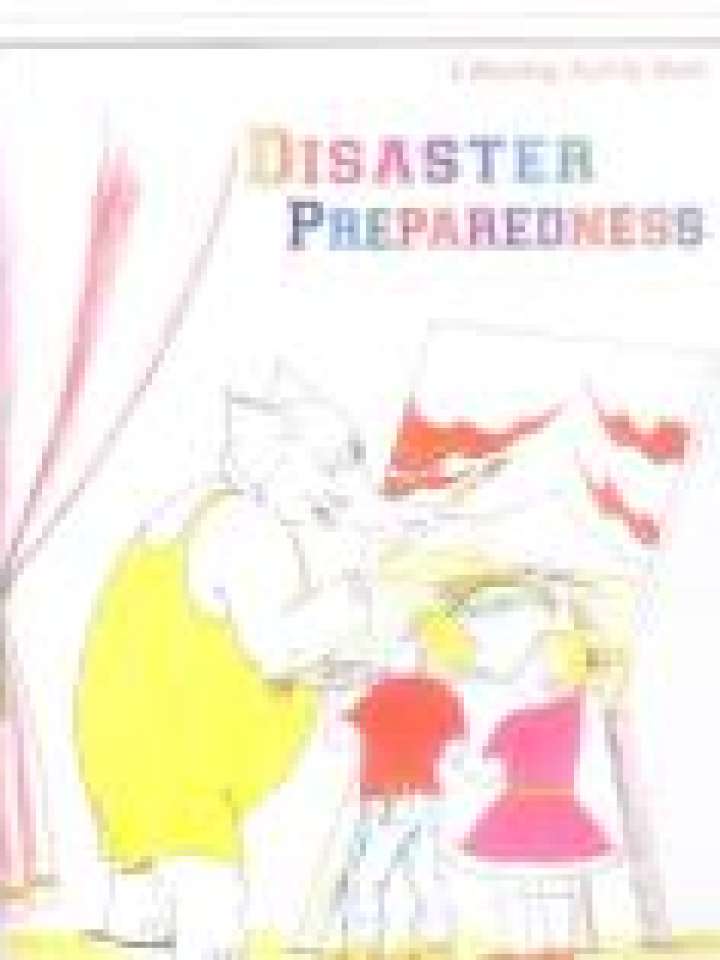
This colouring book is designed for children to help them learn how to protect themselves from fire, earthquakes and floods while colouring. Each colouring page is accompanied by action steps to take.
The Biosafety Protocol provides a common and binding framework for countries to address issues of safety in biotechnology besides addressing issues of advance informed agreement, precautionary principle and information sharing.
Submitted in preparation for the World Conference on Disaster Reduction, 2005, Kobe, Hyogo, Japan.
UNDP has been supporting various initiatives of the central and state Governments to strengthen the disaster management capacities for nearly a decade.
Voluntary Commitments
The organization has no registered commitments.
The Sendai Framework Voluntary Commitments (SFVC) online platform allows stakeholders to inform the public about their work on DRR. The SFVC online platform is a useful toolto know who is doing what and where for the implementation of the Sendai Framework, which could foster potential collaboration among stakeholders. All stakeholders (private sector, civil society organizations, academia, media, local governments, etc.) working on DRR can submit their commitments and report on their progress and deliverables.