
Items: 72
India’s hazard pro le shows that about 59 percent area of India is vulnerable tomoderate to major earthquakes.
The thrust of the India Cooling Action Plan (ICAP) is to look for synergies in actions for securing both environmental and socio-economic benefits. The goal is to provide sustainable cooling and thermal comfort.

The Lightning Resilient India Campaign 2019-2021 is a joint initiative by the organizations that authored this report, and has support from many central and state government departments, academia, INGOs, local NGOs, media outlets and communities.
India's Union Cabinet has approved the "Flood Management and Border Areas Programme" to facilitate flood risk reduction throughout the entire country, as well as river management activities related to border areas. The programme will help state governments adopt structural and non-structural measures, and enhance capabilities of officials in key fields.

This report presents the initiatives being undertaken with the National Mission for Sustaining the Himalayan Ecosystem (NMSHE) to strengthen the capacities of Himalayan States on conducting a vulnerability and risk assessment which is a vital inpu
The impacts of climate change on glaciers are evident across the mountain regions of the world and are contributing to various hazards and vulnerabilities, including increased risk of
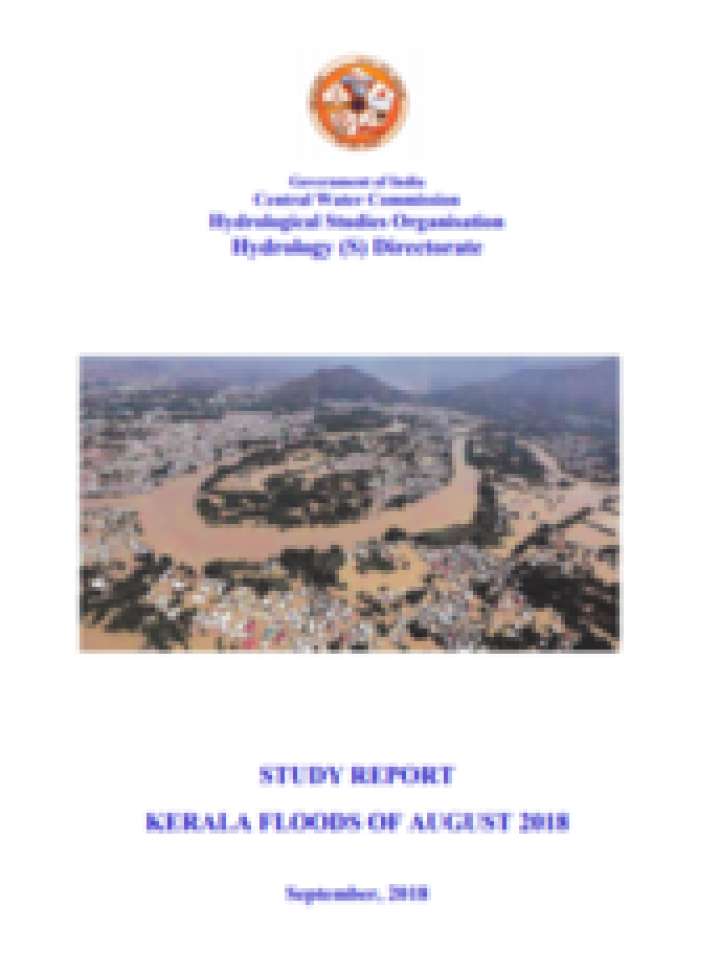
This study analyzes the August 2018 Kerala floods, focusing on how dam operations worsened the disaster. It recommends reviewing safety protocols, widening channels, and creating storage reservoirs to improve flood moderation and prevent future disasters.
Voluntary Commitments
The organization has no registered commitments.
The Sendai Framework Voluntary Commitments (SFVC) online platform allows stakeholders to inform the public about their work on DRR. The SFVC online platform is a useful toolto know who is doing what and where for the implementation of the Sendai Framework, which could foster potential collaboration among stakeholders. All stakeholders (private sector, civil society organizations, academia, media, local governments, etc.) working on DRR can submit their commitments and report on their progress and deliverables.