
Items: 496
The European Centre for Medium-Range Weather Forecasts in Reading was the first to warn there was a significant chance of Sandy striking Manhattan and New Jersey in 2015. Other centres were suggesting otherwise. Thanks to ensemble computing and satellite data, the Reading forecast was a success. Now this forecasting prowess is set to improve its medium-range forecasting.
The system for allocating taxpayers’ money to flood defence schemes favours protecting wealthy families and those in the south-east, analysis suggests. The government has said it applies a strict economic formula to deciding where funding should be spent, but an investigation by the Press Association reveals the methods to determine where funding goes suggest otherwise.
Despite the huge amount of aid money promised after the 2010 earthquake, very little was channelled through Haitian organisations, leading to accusations it was badly targeted and did little to help recover and prepare for future catastrophes. It also remains dangerously exposed to environmental threats, but its vulnerability and ability to cope has a complex history.
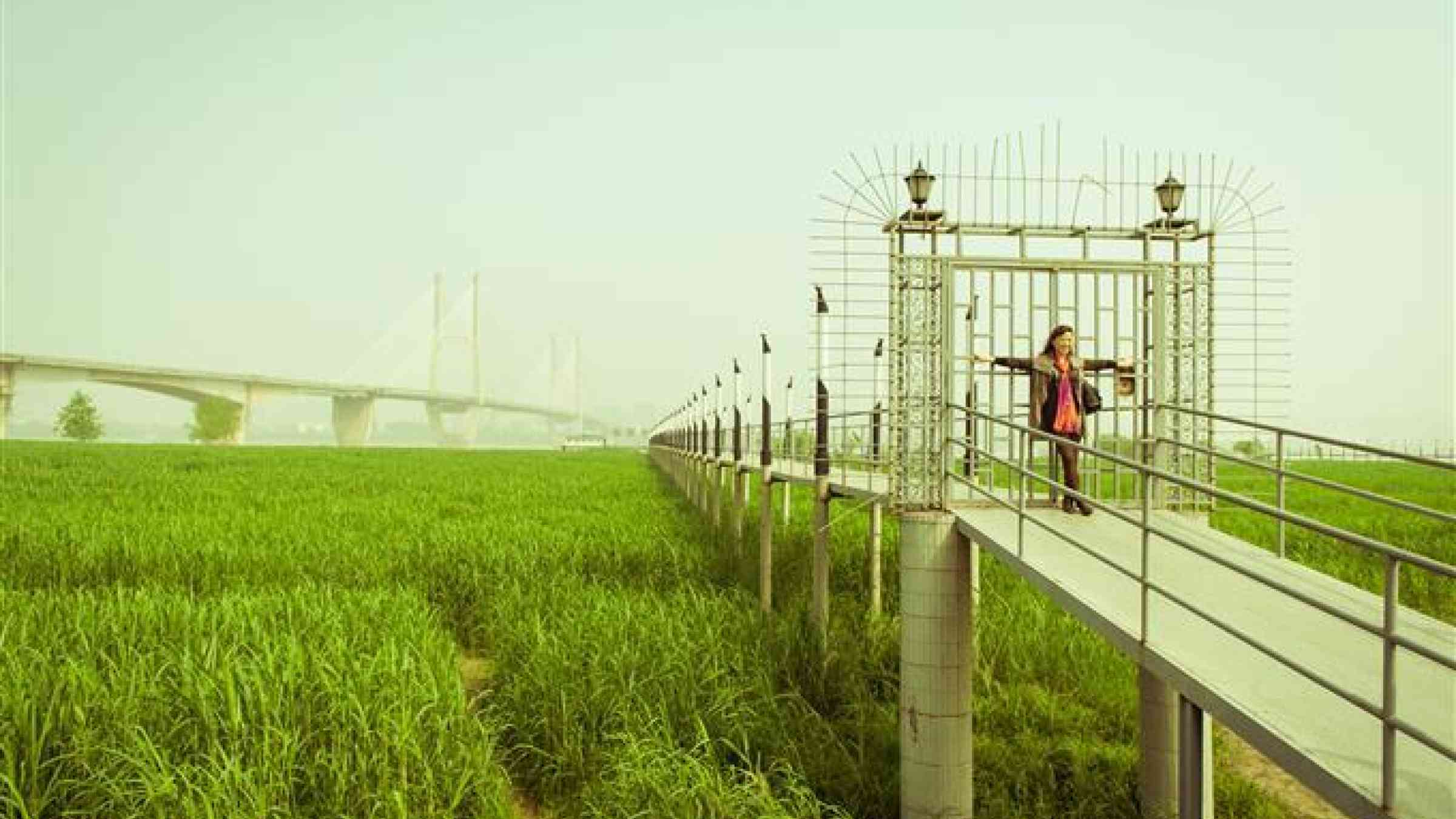
Flooding causes more economic, social and humanitarian damage than any other natural disaster and has affected 2.3 billion people over the past 20 years. China has been particularly affected. Two years into the 'sponge cities' programme, the government of 450 million people faces complex needs and investor disinterest to deliver on flooding and water shortage solutions.
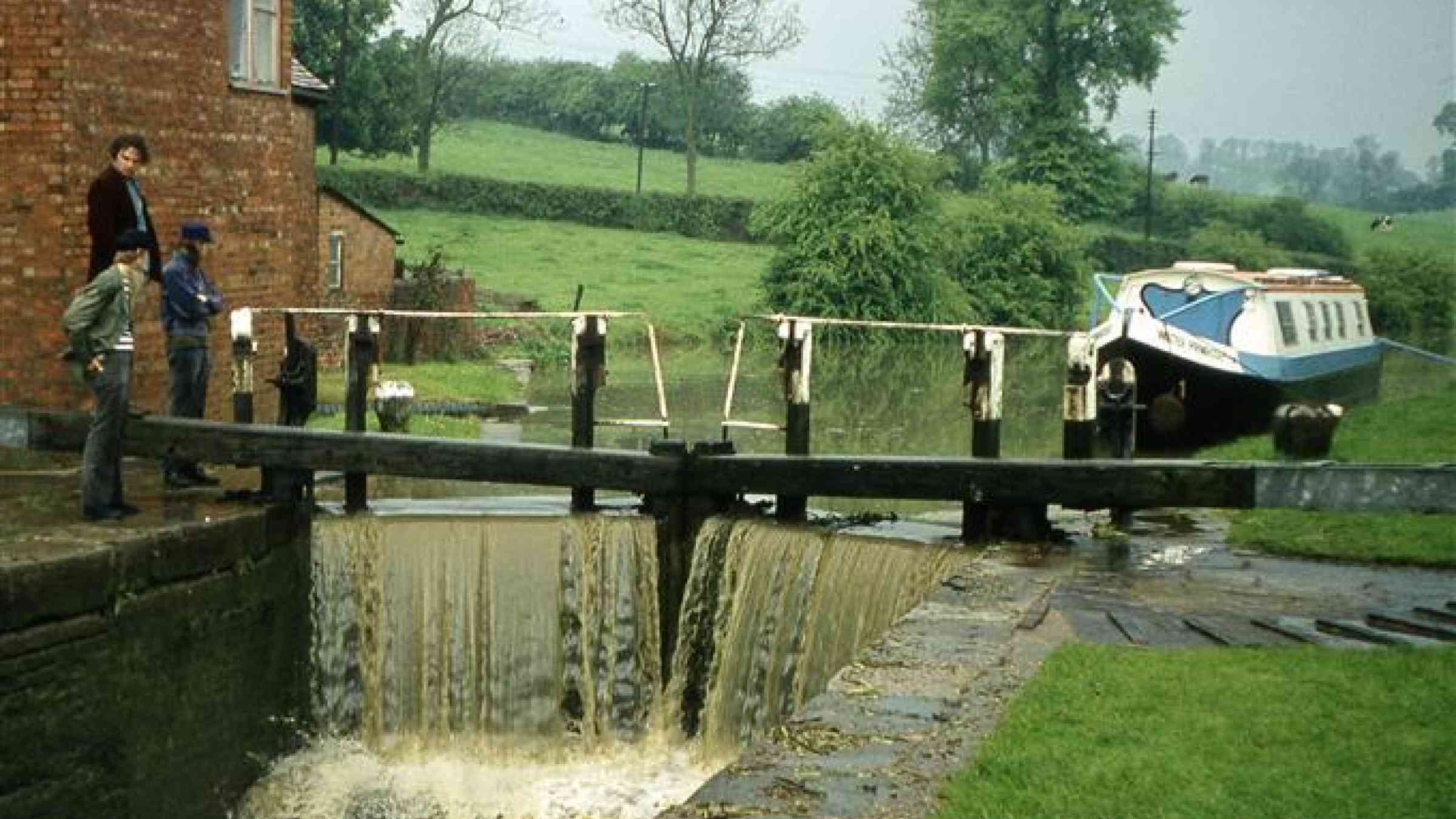
Flash flooding, which struck a swathe of southern and eastern England on Friday, is a greater threat to homes, roads and railways than river or coastal flooding. Yet it was completely excluded from the government’s National Flood Resilience Review. Worse, the risk of flash flooding is rising, as climate change leads to more intense, more frequent rainstorms.
Biotech companies and non-profits are investing heavily in drought-resistant crops, but doubts remain over whether they are the best option for farmers. The evidence in favour of drought-resistant seeds is strong, but other crucial steps include good farm management, effective irrigation, suitable crop insurance, and the use of crops suited to the local climate and soil.
Italy is once more facing up to its failure to protect people from seismic disaster. Experts estimate that some 70% of Italy’s buildings are not built to anti-seismic standards with codes routinely not applied to older buildings when they are refurbished, and not respected at all when new ones are built, despite eight devestating earthquakes in past 40 years.

In an attempt to avoid large-scale casualties during earthquakes, Dipecho - the disaster preparedness programme of the EU’s humanitarian aid and civil protection operations - has devised a training programme in primary and secondary schools in Bangladesh. The move follows major earthquakes that have killed thousands of young people globally in school buildings.
Voluntary Commitments
The organization has no registered commitments.
The Sendai Framework Voluntary Commitments (SFVC) online platform allows stakeholders to inform the public about their work on DRR. The SFVC online platform is a useful toolto know who is doing what and where for the implementation of the Sendai Framework, which could foster potential collaboration among stakeholders. All stakeholders (private sector, civil society organizations, academia, media, local governments, etc.) working on DRR can submit their commitments and report on their progress and deliverables.