
Items: 494
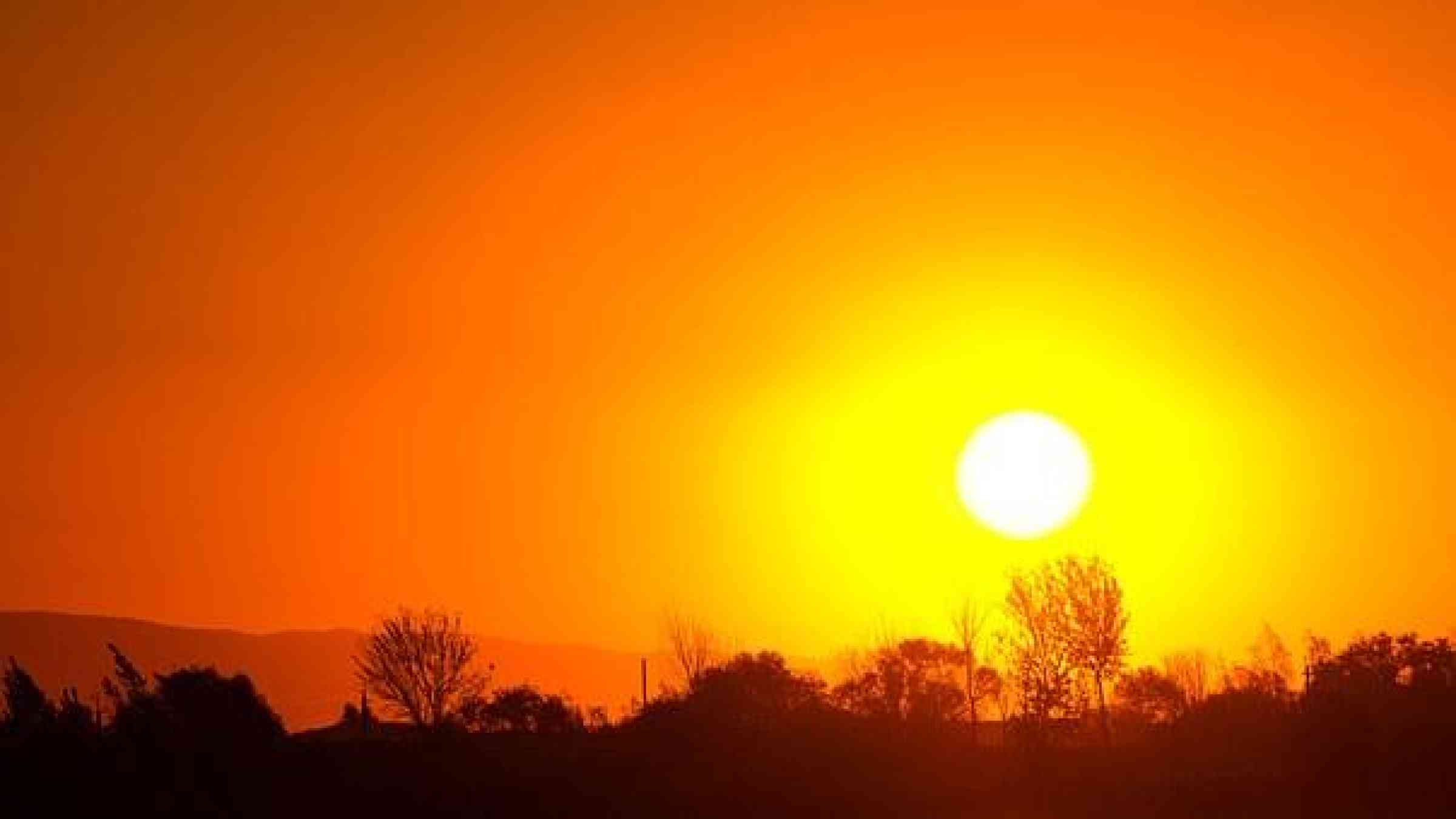
As sweltering temperatures grip the world, researchers have warned that heat impact is not evenly distributed, with evidence of a strong correlation between an area's risk level and its wealth. Moreover, air conditioning will remain out of reach for many, even as it increasingly becomes a necessity.
Ten months after Hurricane Maria, Puerto Ricans face a mental health crisis that stems from something frighteningly simple: one powerful hurricane robbed millions of Americans of reliable access to drinkable water, food, medical care, electricity, phones and internet.
Nearly 700 more deaths than average were recorded during the 15-day peak of the heatwave in June and July in England and Wales. The people most at risk in a heatwave are the frail elderly, who are more susceptible to experiencing heat-induced physical complications.
As climate change helps increase the number of wildfires in the western US, smoke from fires has been linked to asthma attacks and heart problems, and has contributed to a decline in air quality. Because fires cause smoke containing gases and microscopic particles, detrimental health effects could impact people far away from the original fire site.
Grief has turned to fury in Greece, where victims of the deadliest wildfires in more than a decade are blaming an inept state apparatus and the government's lack of preparedness for the scale of the disaster. No other country, with the exception of Australia, has suffered such loss of life or destruction as a result of wildfires this century.

An unusually dry winter, with less than average rainfall interspersed with localised flooding, is emerging as a contributing factor to the wildfires that are ravaging Greece. Experts are concerned that the conditions experienced in the last two years are likely to be replicated more often in future, owing to the changing climate.
A confluence of factors have contributed to the heatwaves affecting many countries: the current jet stream is extremely weak and, as a result, areas of atmospheric high pressure are lingering for long periods over the same place, while substantial changes to sea surface temperatures in the North Atlantic are also exacerbating temperatures.
The Chinese government has now adopted sponge cities as an urban planning and eco-city template to cope with monsoonal rain. The designs use soft material and terraces to capture water which can then be extracted for use, rather than the usual concrete and steel materials which do not absorb water.
Voluntary Commitments
The organization has no registered commitments.
The Sendai Framework Voluntary Commitments (SFVC) online platform allows stakeholders to inform the public about their work on DRR. The SFVC online platform is a useful toolto know who is doing what and where for the implementation of the Sendai Framework, which could foster potential collaboration among stakeholders. All stakeholders (private sector, civil society organizations, academia, media, local governments, etc.) working on DRR can submit their commitments and report on their progress and deliverables.