Items: 37
This report presents the institutional and legal framework for disaster risk reduction in Fiji, and describes its common disaster risks and natural hazards, such as cyclone, earthquake, drought, land slide.

This document provides an evaluation of country’s disaster risks and natural hazards, such as cyclone, flood, drought, tsunami, earthquake and landslide, and discusses related forecasting and warning systems.
At COP18, developed country Parties acknowledge the many challenges faced by vulnerable states to severe climate change impacts. Nevertheless, there has been resistance from developed countries on the establishment of an international mechanism to assist in compensation for the loss and damage to small island developing states, according to a Fiji government statement...
'I know women can make a difference in disaster risk management. When disaster happens, it is expected that we all have all hands on deck so it’s really for both men and women (to take ownership of),' said The Ministry of Local Government acting deputy permanent secretary Ms Talei Digitaki Rokotuibau at the opening of the National Disaster Management Week...
An information market will be organized at the Ba Town Market, Fiji, to celebrate the International Day for Disaster Reduction, International Day for Rural Women, International World Food Day and International Day for Poverty Eradication.
Women market vendors overnight accommodation will be officially opened in Rakiraki, Fiji, by the Minister for Local Government, Urban Development, Housing & Environment.
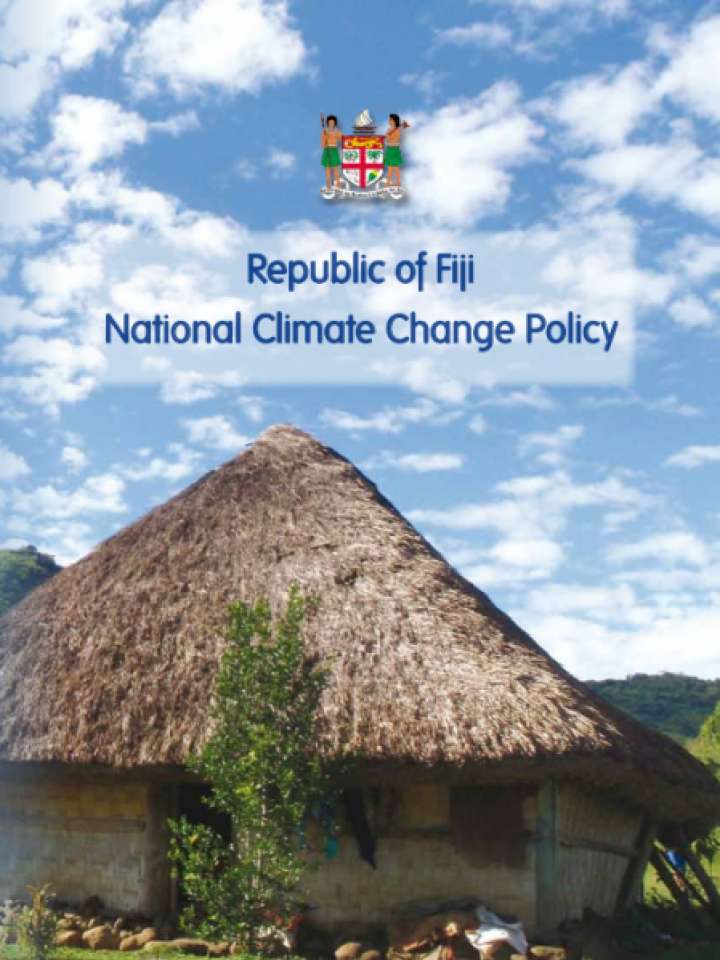
This National Climate Change Policy provides guidelines for sectors to ensure that current and expected impacts of climate change are considered in their planning and implementation programmes.
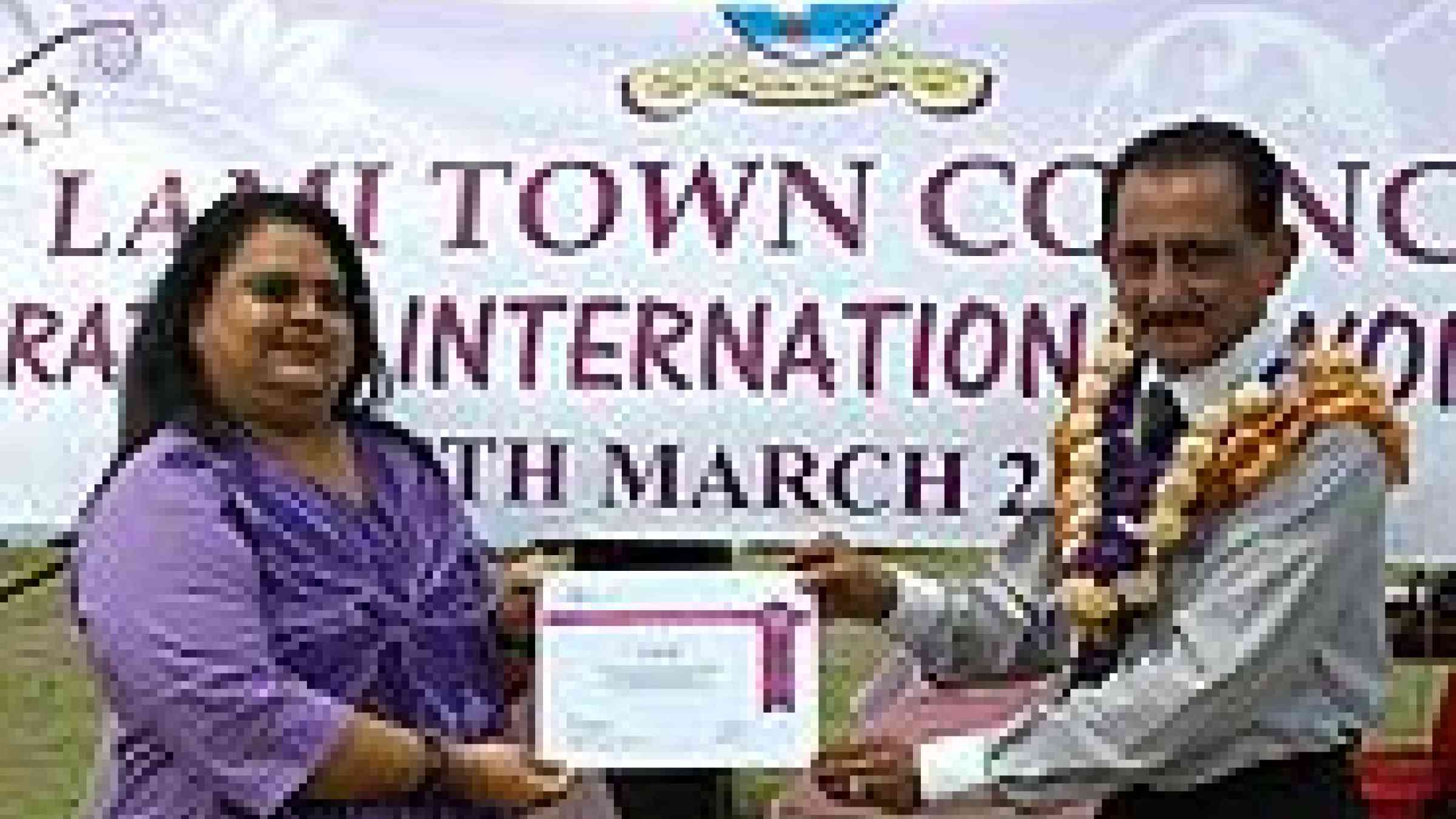
Based on Lami Town Council's achievements in implementing disaster risk reduction, UNISDR invited Lami to participate in the pilot phase of the Local Government Self Assessment Tool (LG-SAT), which 25 cities around the world will test...
Voluntary Commitments
The organization has no registered commitments.
The Sendai Framework Voluntary Commitments (SFVC) online platform allows stakeholders to inform the public about their work on DRR. The SFVC online platform is a useful toolto know who is doing what and where for the implementation of the Sendai Framework, which could foster potential collaboration among stakeholders. All stakeholders (private sector, civil society organizations, academia, media, local governments, etc.) working on DRR can submit their commitments and report on their progress and deliverables.