
Items: 10

This research proposes a framework that assimilates the components of 'water-sensitive urban design (WSUD)' with the concept of ‘integrated urban water management (IUWM)’ that mainly focuses on governance, management, and stakeholders’ engagement.
The 10th International Conference on Building Resilience (ICBR) will be hosted by the Cell for Adaptation, Resilience, Security, and Humanitarian Assistance (CARSHA).
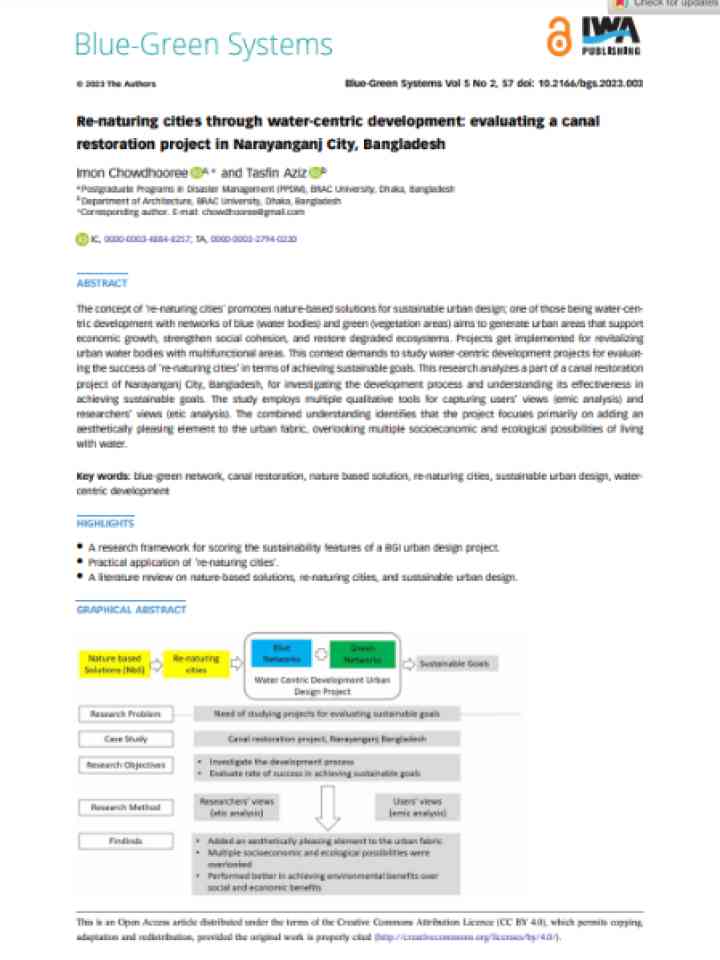
This study analyzes a water-centric development project in Narayanganj City, Bangladesh to evaluate the success of ‘re-naturing cities’ in achieving sustainable goals.
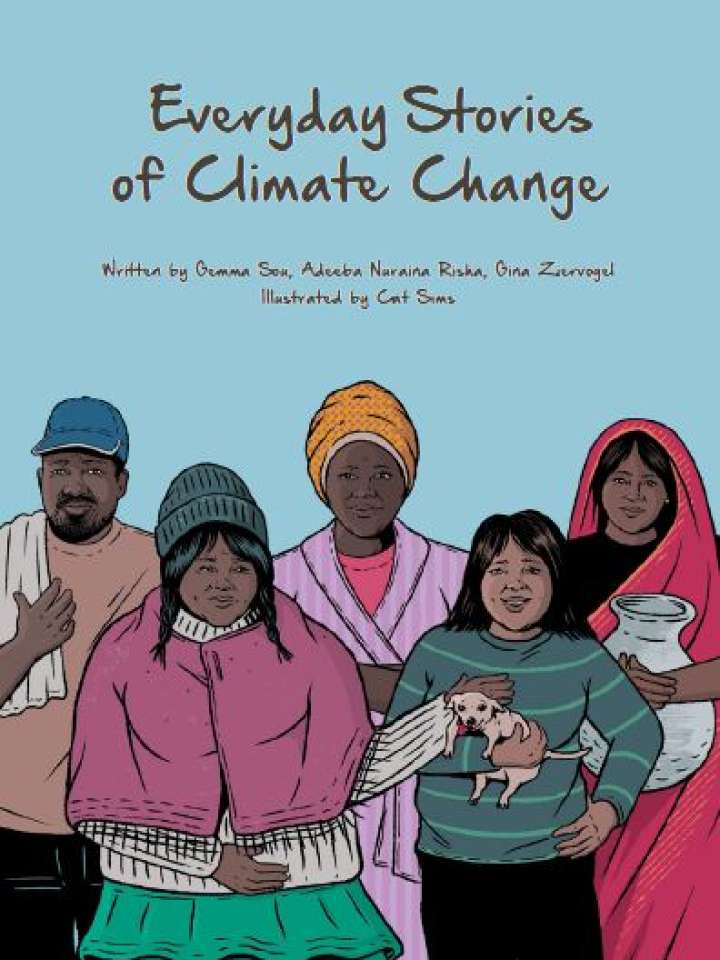
'Everyday Stories of Climate Change', is a comic that threads together qualitative research about low-income families' experiences and adaptation to climate change across five countries.

This handbook has been produced in the Collaborative Regional Research Project “Understanding the opportunities and challenges of compliance to safe building codes for disaster resilience in South Asia - the cases of Bangladesh and Nepal” supporte

This study examines community perceptions of flood resilience in the Haor region of Bangladesh. Findings identified the use of non-language-dependent tools such as cognitive mapping as quick and effective data collection mechanisms.
The programme theme is deliberately broad and designed to bring together a wide range of professional and academic organisations together to stimulate ideas and further development of this field.

This handbook is published under the Asian Urban Disaster Mitigation Program (AUDMP) of ADPC Bangkok for sharing knowledge and experiences from the participating countries in the project.
Voluntary Commitments
The organization has no registered commitments.
The Sendai Framework Voluntary Commitments (SFVC) online platform allows stakeholders to inform the public about their work on DRR. The SFVC online platform is a useful toolto know who is doing what and where for the implementation of the Sendai Framework, which could foster potential collaboration among stakeholders. All stakeholders (private sector, civil society organizations, academia, media, local governments, etc.) working on DRR can submit their commitments and report on their progress and deliverables.