
Tanzanian climate research forecasts weather extremes
- Tanzania should brace for more extreme wet weather - lead meteorologist
- City dwellers will feel the heat at night as temperatures rise
- Tanzania needs stronger climate policies and infrastructure
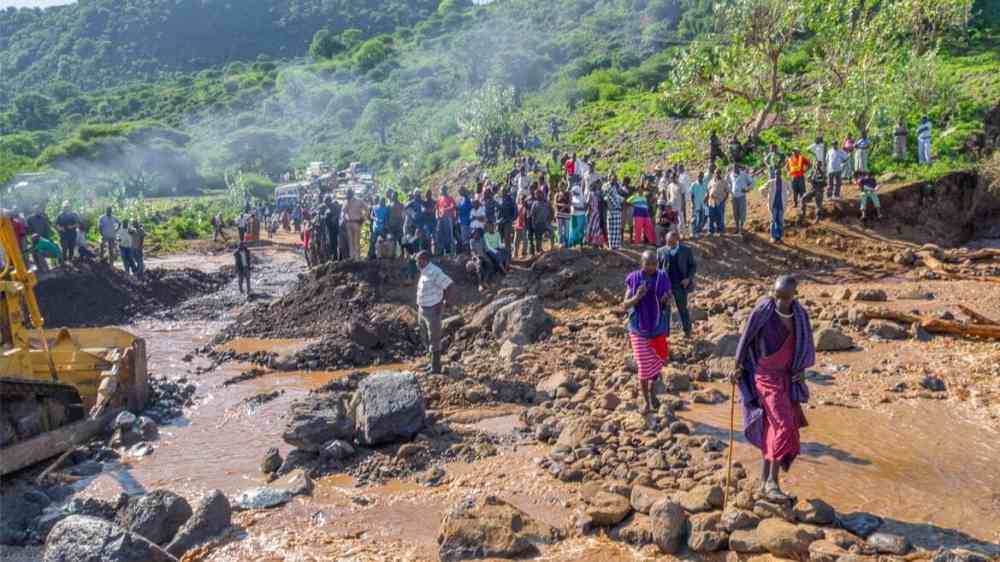
Extreme wet weather and rising temperatures will likely become the norm for parts of Tanzania, demanding early preparedness and stronger national climate policies to protect vulnerable communities, says a leading meteorologist.
Philbert Luhunga, the lead researcher behind climate projections for Tanzania, warns that recent patterns, including significant rain delays between March and May, signal increasing climate instability across the country.
The changes are already hurting farmers' livelihoods and could push 2.6 million more Tanzanians into poverty by 2050, according to the World Bank.
"Policymakers need to think twice now. Climate change should no longer be treated as a simple matter but an urgent one."
Philbert Luhunga, Chief Research Officer at the Tanzania Commission for Science and Technology (COSTECH)
Luhunga, who is the chief research officer at the Tanzania Commission for Science and Technology (COSTECH), based the warning on his research findings published in the journal Nature Scientific Reports.
The report shows "very wet" and "extreme wet" days - 50mm to 450mm of rainfall - will become increasingly common across the country, particularly hitting coastal areas, southwestern highlands, and northeastern regions.
"Climate change should no longer be treated as a simple matter but an urgent one," Luhunga, tells SciDev.Net.
Tanzania faces growing risks from floods, droughts, and extreme weather, which could cost the country 4% of its growth by 2050. But with early warnings and strong coordination, communities can take action before disaster strikes.
Using advanced climate models and data spanning from 2011 to 2100, the study shows that even Tanzania's traditionally cooler regions are warming rapidly, with significantly hotter nights projected in urban areas that could disrupt sleep and bring health risks.
The analysis also shows the October to December rainy season becoming less predictable, adding another layer of uncertainty for communities already struggling with climate impacts.
The motivation for the research came from witnessing devastating events such as the December 2011 flooding in Dar es Salaam, when the capital experienced its heaviest rains since independence in 1961. The capital's drains were overwhelmed and huge numbers of residents were displaced.
Luhunga says climate changes are already reshaping daily life across Tanzania.
According to the World Bank's projections, climate change could force up to 13 million Tanzanians to move from their homes by 2050.
"Policymakers need to think twice now," Luhunga warns.
3.jpg)
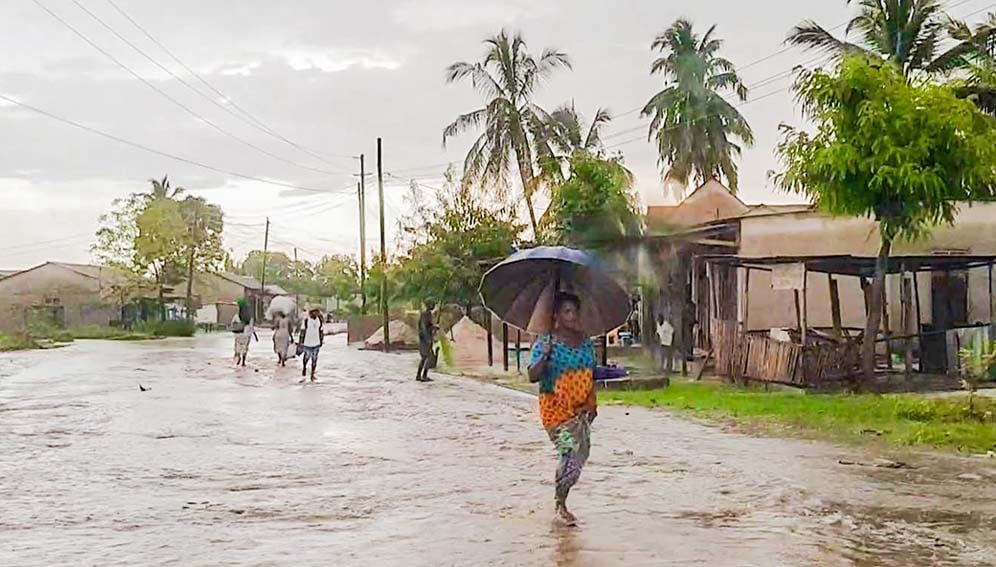
Linda Paulo, an assistant lecturer at Muhimbili University of Health and Allied Sciences in Tanzania, says that rising temperatures and erratic rainfall could worsen disease outbreaks. She points to Tanzania's ongoing cholera battles as a sign of mounting health challenges.
In this context, specific national climate data is crucial for targeted action, she says.
"Tanzania must prioritise addressing climate change's wide-ranging impacts on food security, nutrition, and public health," Paulo tells SciDev.Net, highlighting the need for proper planning of emerging towns rather than repeating the infrastructure mistakes of major cities.
Laurel Kivuyo, director of Climate Hub Tanzania, a youth-led climate action organisation, emphasizes the need for a multi-pronged adaptation strategy to effectively adapt to the looming climate challenges.
"It [Tanzania] must first create dedicated climate finance channels for community-based organizations to empower grassroots initiatives," she says.
"This should be coupled with integrating local knowledge, such as traditional water conservation and agroforestry, into national adaptation plans.
"Furthermore, promoting climate-resilient agriculture, improving early warning systems, and upgrading infrastructure for climate resilience are crucial steps to safeguard communities and livelihoods across the nation."