1. Home
  2. Knowledge Base | PreventionWeb

DRR Community Voices

The DRR Community Voices share personal stories and perspectives from the disaster risk reduction trenches on reducing risk and building resilience.

  • Our posts from both practitioners and academics reach a global audience and can influence policy, practices and approaches.
  • We invite you to propose your own blog and submit it for review.

Republishing guidelines

  • Please contact us if you wish to republish a blog article.
  • Most articles can be republished under CC BY-NC-SA 3.0 IGO Deed.
  • You must give appropriate credit, provide a link to the license, and indicate if changes were made.
  • You may not use the material for commercial purposes.
Uploaded on
WINDRR poster
These women are the 15 finalists for the 2022 Women’s International Network for Disaster Risk Reduction Excellence Leadership Award, proudly sponsored by SM Prime.
WIN DRR Leadership Awards
Twelve inspiring women are the finalists for the 2022 Rising Star Women’s International Network for Disaster Risk Reduction Leadership Award.
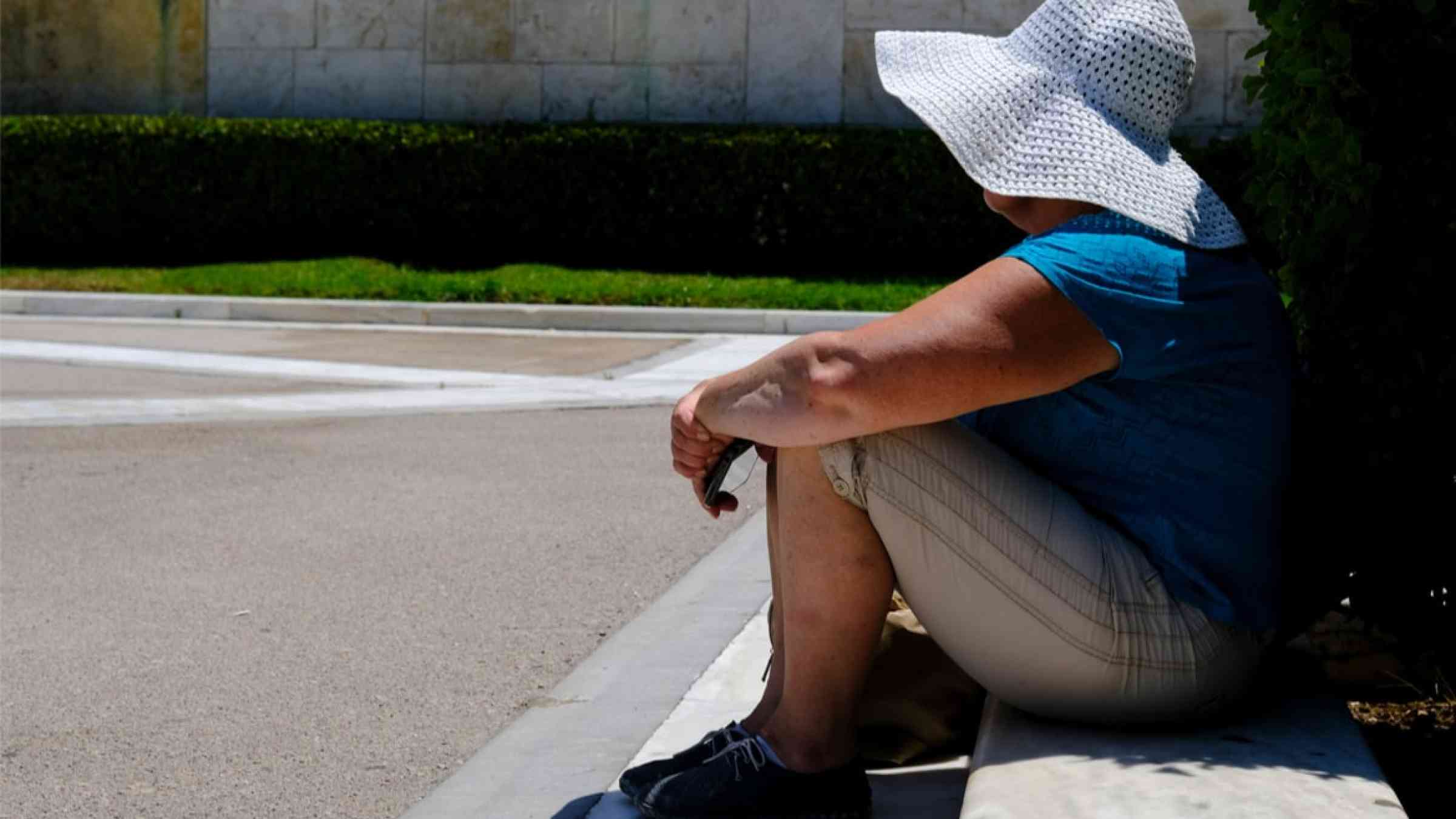
A tourist in Athens (2012)
What are the key heat management skills of this century? Athens' Chief Heat Officer answers that question.
Person sitting in front of Hellenic Parliament during a hot day in Athens, 2021
“One of the most important findings on urban resilience is that social resilience is often more important than physical resilience”.
Coloured windows of a Caribbean house
Parametric policies designed for lower-income consumers could help bridge the disaster insurance gap.
Bookshelves in a library.
Chintan Pandya
This article offers an overview of smart evacuation management systems – which make use of soft computing techniques – as a component of DRR strategies, including crowd monitoring, disaster prediction, evacuation modelling, and guidelines for evacuation.
Welcome to Amadora
Carla Tavares
Participating in the MCR2030 campaign inspired Amadora, Portugal, to promote DRR through partnerships, awareness and public information sessions, as well as investment in emergency planning.
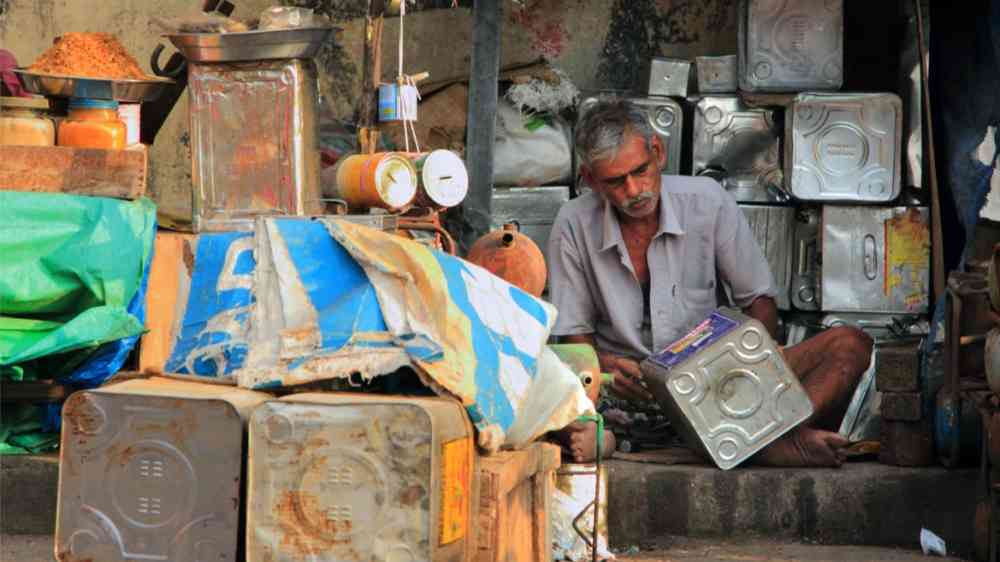
Unidentified street vendor works with reused tin containers at Port Blair, India (2012)
Kevin Blanchard
Hyper-marginalisation increases levels of vulnerability within a part of society that already experiences discrimination, and as a result can experience the impacts of disasters or crisis situations as more severe and harder to recover from.