1. Home
  2. Knowledge Base | PreventionWeb
  3. Themes

Inclusion

Ensuring an all-of-society engagement and partnership for DRR through empowerment and inclusive, accessible and non-discriminatory participation, paying special attention to people disproportionately affected by disasters, especially the poorest.
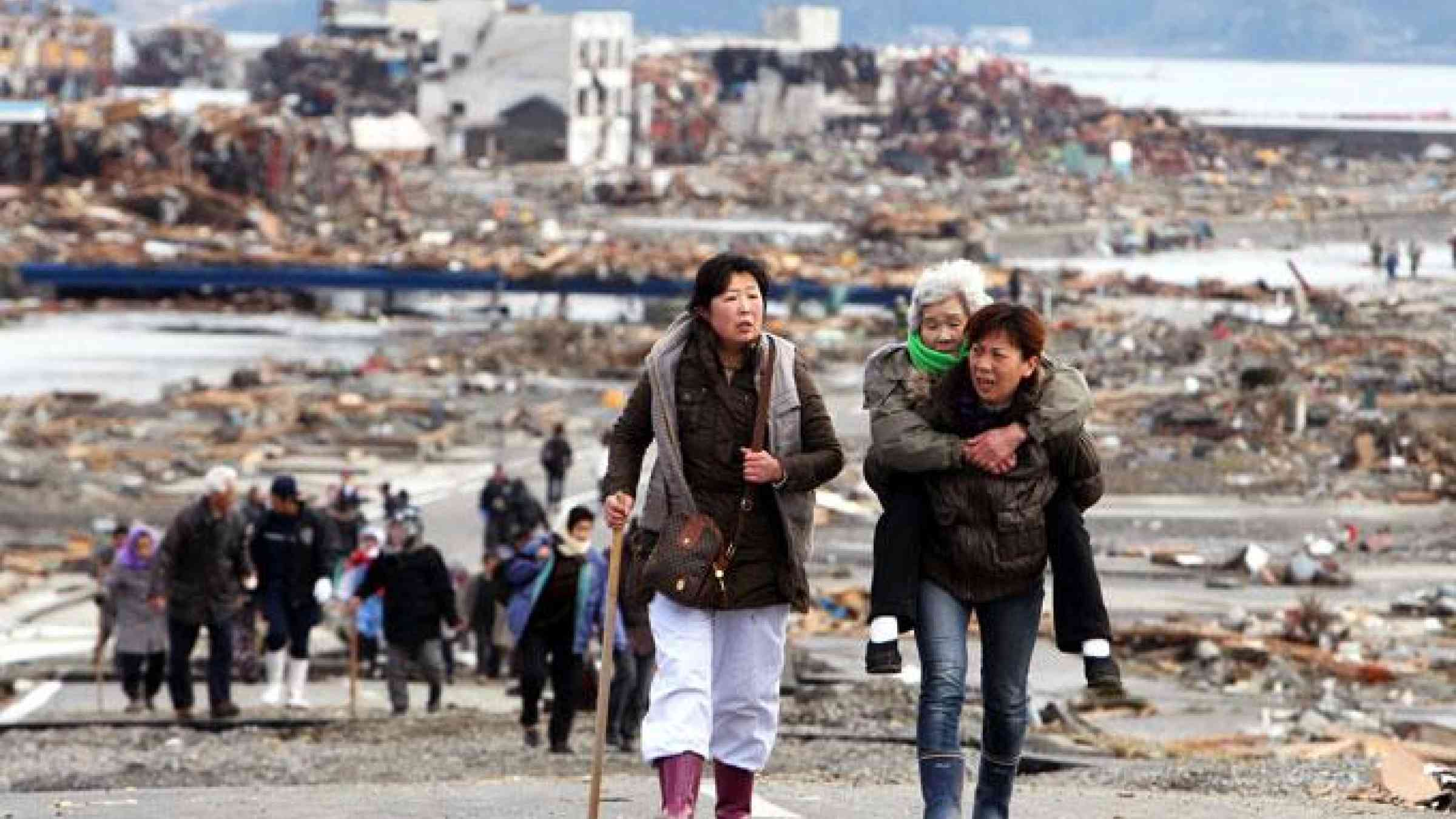
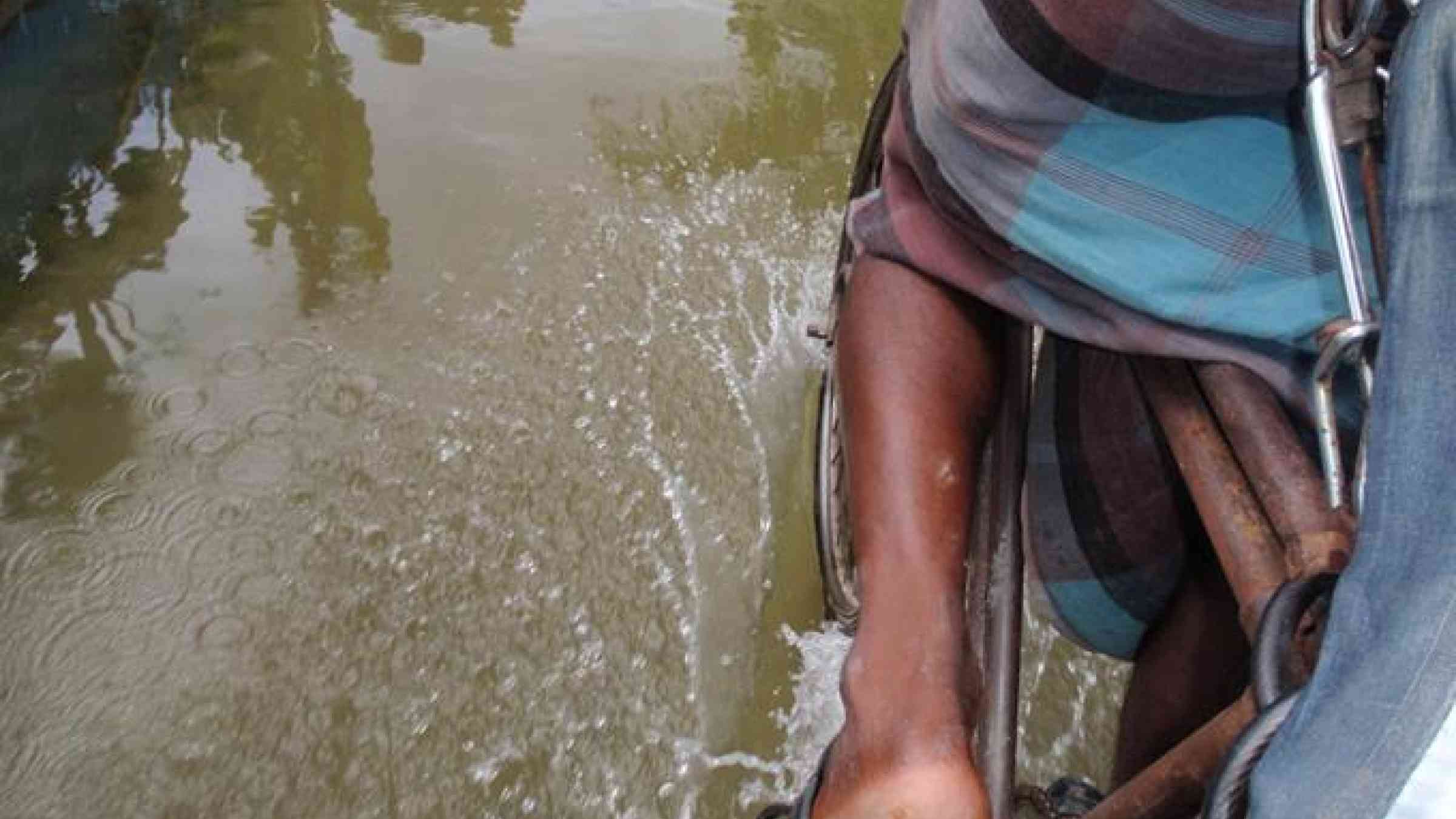
Here are five ways countries ensure persons with disabilities are not left behind when the next disaster strikes.

Latest Inclusion additions in the Knowledge Base

Uploaded on
Photo by Flickr user Warren Antiola CC BY NC ND 2.0 https://flic.kr/p/dVHg5W
Update

Older people are among those worst affected by disasters and more must be done to protect them, according to HelpAge International. The convergence of climate change and ageing populations is a significant challenge for the development and disaster management sector, and was a main focus of the 13th International Federation of Ageing conference in Australia.

HelpAge International
Documents and publications

This paper explores progress and documents good practices related to the implementation of policies and plans to reduce the vulnerability of populations most at risk.

Based on the approaches and experiences reviewed in this paper, a few specific elements

Global Facility for Disaster Reduction and Recovery, the (GFDRR)
Documents and publications

This study, funded by CBM and HelpAge International, assesses the impact of the 2015 Nepal earthquake on older people and persons with disabilities. It identifies barriers to inclusion and participation, and provides recommendations to ensure that future

HelpAge International
National Disaster Risk Reduction Centre
CBM International
Update

Hospital staff and paramedics are regularly trained in how to handle a public health crisis, but new Canadian research finds that many family doctors don’t feel anywhere near as prepared. Lead researcher Kain says it is important to include family physicians in planning for crises because they are often the first point of contact for vulnerable patients.

CTV
Photo by Flickr user European Commission DG ECHO CC BY-ND 2.0 https://flic.kr/p/bjfcy2
Update

No one can be sure just how many people will be displaced by climate change by the middle of this century. In fact, the estimates vary widely, with some putting the number at 25 million and others suggesting it could hit the one billion mark. We know that climate change will force millions from their homes, but will they even be recognised as refugees?

Independent.ae
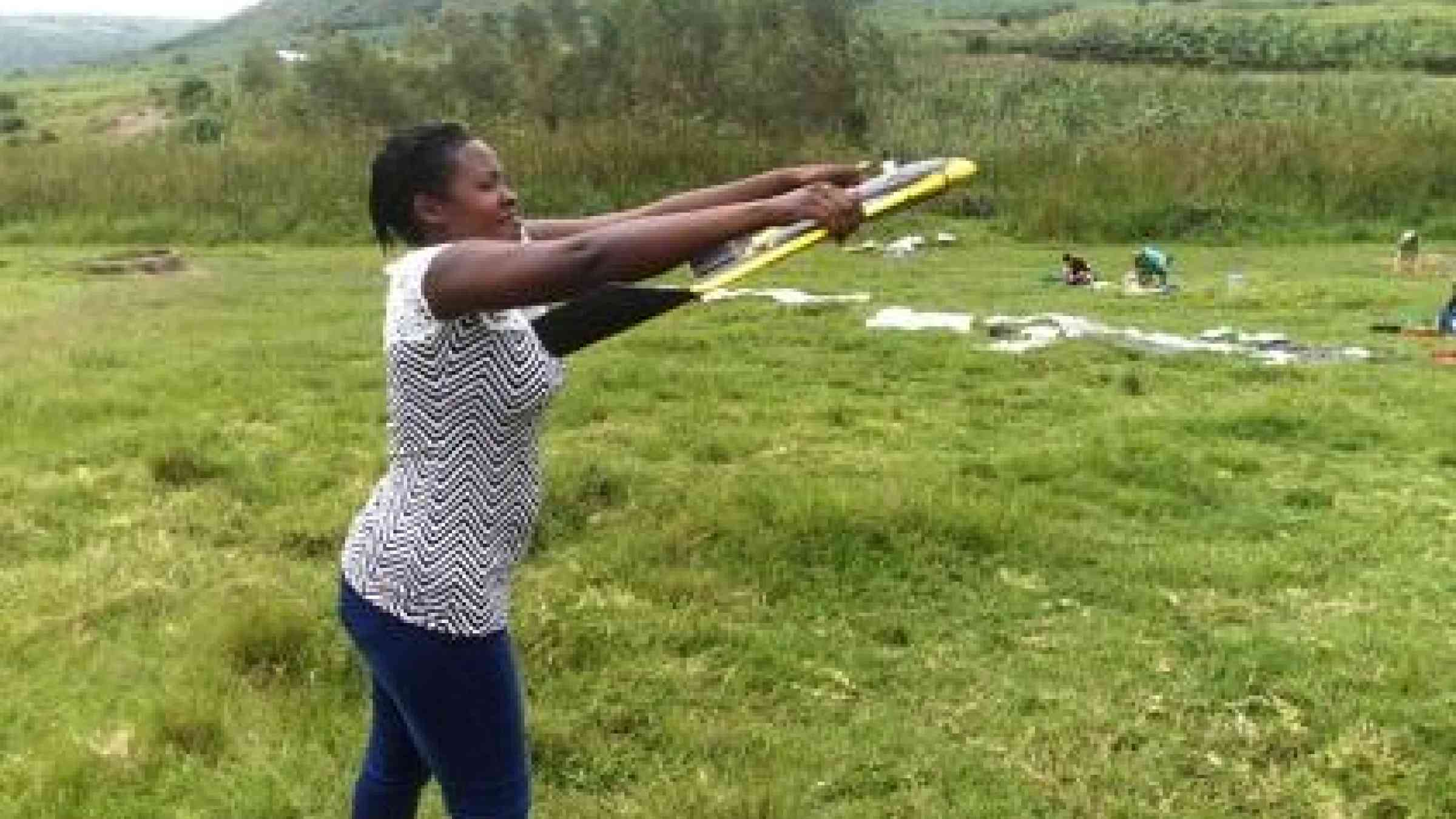
An official from Oruchinga refugee settlement launching the drone that is being used to map refugee settlements and thereby reduce risk (Photo: UNISDR/Samuel Okiror)
Update

Uganda is developing base maps for refugee settlements that host thousands of people in the east African country, with the goal being to support risk-informed development and land use planning and thereby build community resilience.

United Nations Office for Disaster Risk Reduction - Regional Office for Africa
Update

On 16 June, the EU Resilience Forum 2016 will bring together representatives from donor organisations, civil society groups, think-tanks and partner countries, to discuss how to reduce vulnerabilities in risk-prone environments and to help local populations withstand and recover from disasters. The Forum will host a round of Resilience Dialogues and two Project Labs.

European Commission
Update

India's new plan to tackle disasters fails to address the needs of vulnerable groups, which could lead to millions of women, children, disabled and elderly people as well as lower caste and tribal communities being put at further risk, aid workers said. Prime Minister Narendra Modi unveiled India's first National Disaster Management Plan (NDMP) last week.

Thomson Reuters Foundation, trust.org
Uploaded on