1. Home
  2. Knowledge Base | PreventionWeb
  3. Themes

Inclusion

Ensuring an all-of-society engagement and partnership for DRR through empowerment and inclusive, accessible and non-discriminatory participation, paying special attention to people disproportionately affected by disasters, especially the poorest.
Here are five ways countries ensure persons with disabilities are not left behind when the next disaster strikes.

Latest Inclusion additions in the Knowledge Base

Uploaded on
Documents and publications

The issues raised by noncommunicable diseases (NCDs) during and after disasters are a challenge to equity within local communities, as well as between countries. Individuals with NCDs are particularly vulnerable in disasters and their aftermath given

Elsevier
Documents and publications

Research suggests that the perception of a threat, high levels of self-efficacy, and high levels of social connectedness and trust may facilitate engagement in preparatory behaviours for severe weather events. To identify the psychosocial determinants of

Australian Institute for Disaster Resilience (AIDR)
Update

A network of Indigenous research practitioners in northern Australia conducted participatory research and evaluation with the Ngukurr community. Research found local awareness and knowledge of natural hazards and disaster preparedness are much reduced.

Australian Institute for Disaster Resilience (AIDR)
Update

UN Refugee Agency vowed to reduce and address displacement caused by disasters and the adverse effects of climate change, at the World Humanitarian Summit in Istanbul.

United Nations High Commissioner for Refugees (UNHCR)
Risk reduction and post-disaster reconstruction, rehabilitation and reintegration should be culturally-sensitive, indigenous peoples say (Photo: Indigenous Persons with Disabilities Global Network)
Update

Indigenous peoples have spotlighted the need to take their concerns into account when it comes to reducing disaster risk, notably for members of their communities with disabilities.

United Nations Office for Disaster Risk Reduction - New York UNHQ Liaison Office
Documents and publications

This paper draws from existing evidence to highlight how social protection programmes and systems can contribute to building the anticipatory, adaptive and absorptive capacity of vulnerable people who are exposed to climate shocks and disasters.

As the

Building Resilience and Adaptation to Climate Extremes and Disasters
Update

A European-funded programme has invested in structural safety of villages in Bangladesh, as well as built capacities of communities by giving them the possibility to assess risk and vulnerability by themselves, thus increasing their resilience to floods and erosion.

Concern Worldwide
Documents and publications

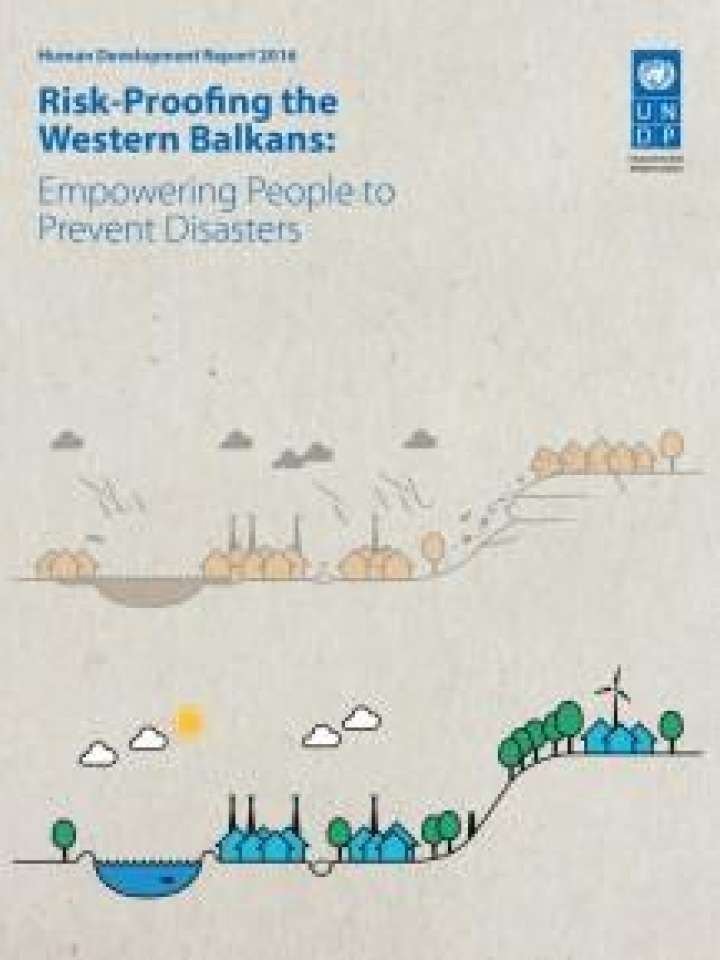
In the past two years alone, the magnitude of disasters increased significantly in the Western Balkans, affecting 15 times more people and causing economic losses 30 times higher than in the period from 2000 to 2013. While recovery actions financed

United Nations Development Programme (UNDP)
Uploaded on