Ensuring an all-of-society engagement and partnership for DRR through empowerment and inclusive, accessible and non-discriminatory participation, paying special attention to people disproportionately affected by disasters, especially the poorest.
Here are five ways countries ensure persons with disabilities are not left behind when the next disaster strikes.
Analysis of twenty years of data on 7,056 disaster events in which 1.35 million people died, shows that earthquakes and tsunamis are the biggest killers overall, followed closely by climate-related disasters, and 90% of disaster deaths occur in low and middle-income countries.
United Nations Office for Disaster Risk Reduction (UNDRR)
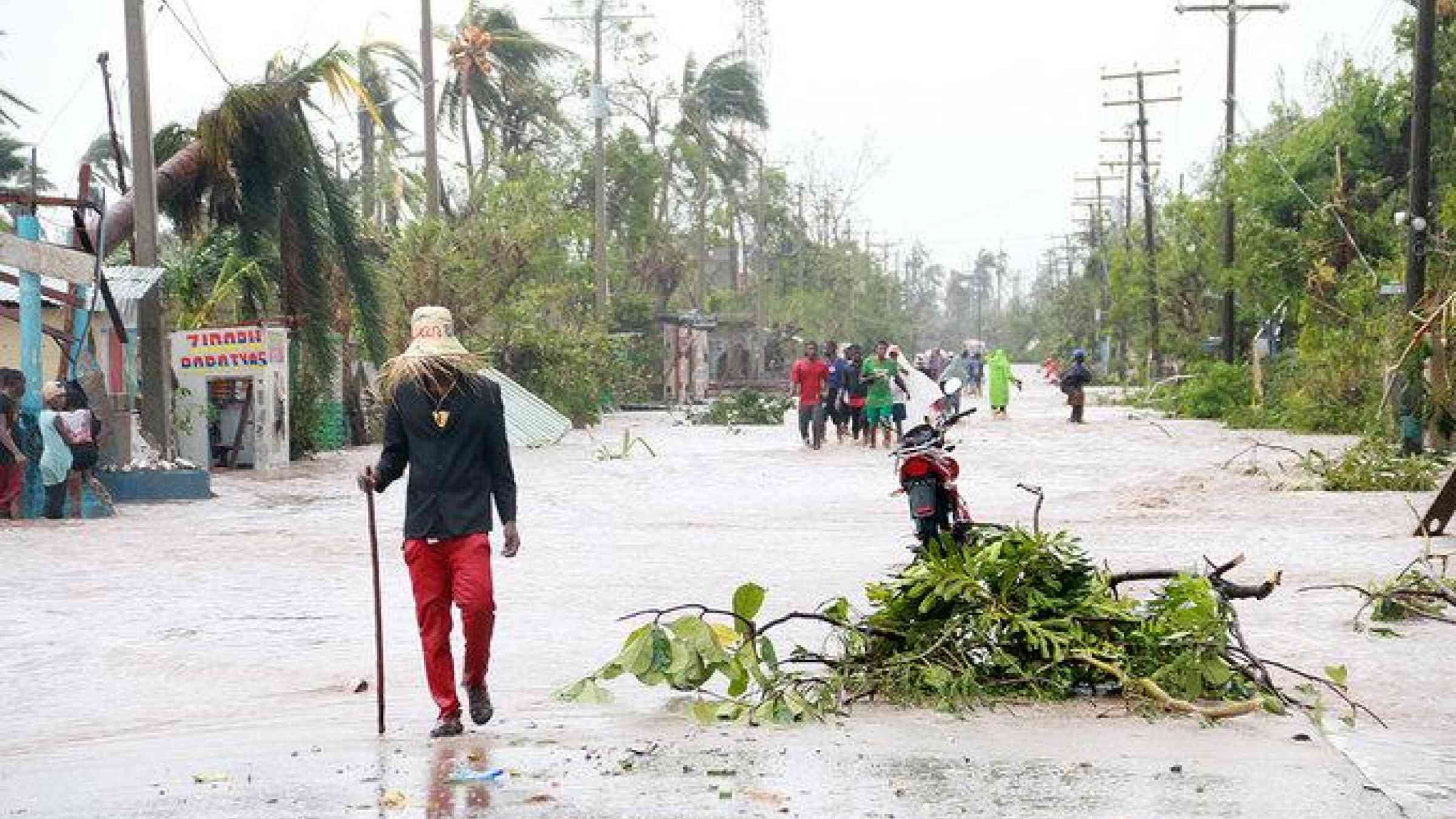
Some experts describe disasters as “manifestations of unresolved development problems”. Therefore, disasters are not a natural phenomenon. Humans play a central role. As a result, a natural hazard such as Hurricane Matthew impacts each country in its path differently. Disaster risk is socially-constructed and we must propose solutions that do not ignore root causes.
The International Society of Wheelchair Professionals (ISWP) and UNICEF are conducting research on the needs of wheelchair users in emergency situations. If you are a wheelchair user, a caretaker, a disaster relief volunteer, a clinician, or an expert, you are invited to participate in the emergency preparedness and relief for individuals with mobility needs survey.
Global Alliance on Accessible Technologies and Environments
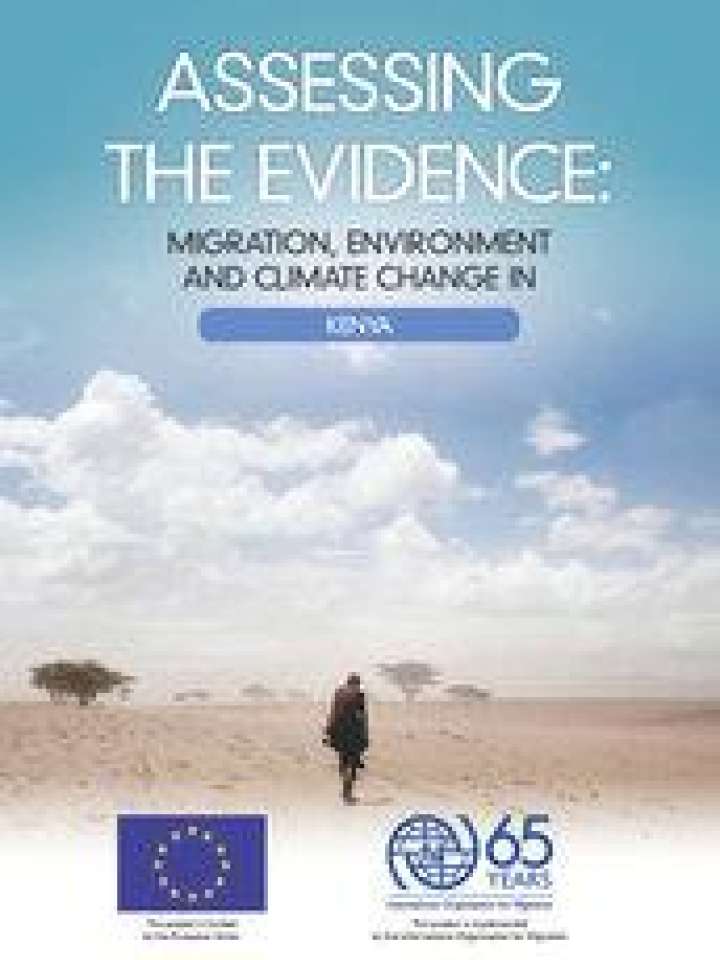
The aim of this assessment report is twofold, such that it: (a) maps the migration– environment nexus in Kenya by looking at human mobility due to environmental change; and (b) examines existing policy and legal frameworks and offers guidance in
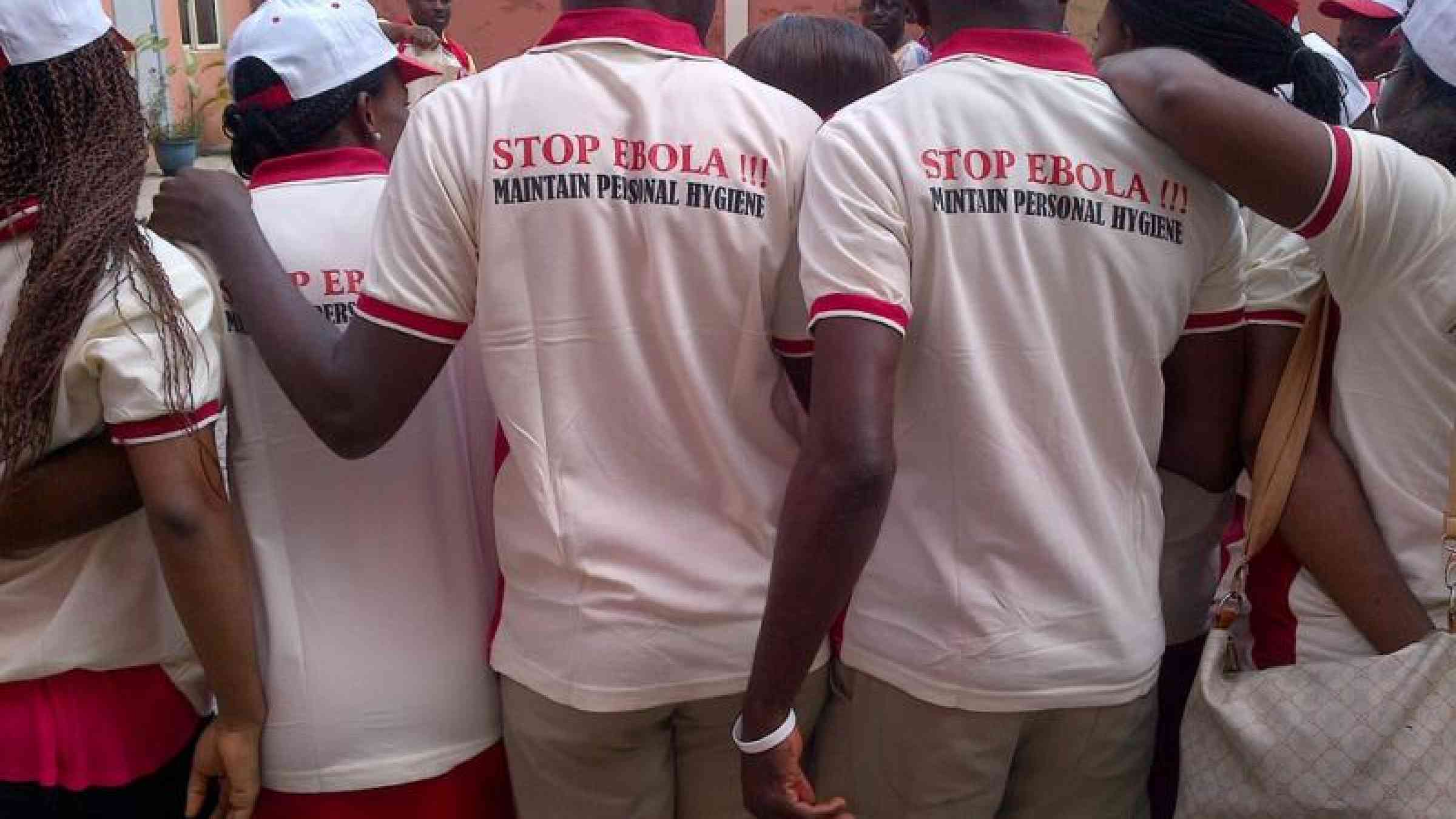
Nigeria has been Ebola-free since it narrowly avoided being sucked into the escalation of the highly contagious haemorrhagic fever outbreak which devastated its neighbours, Guinea, Liberia and Sierra Leone resulting in the loss of over 11,000 lives.
United Nations Office for Disaster Risk Reduction - Regional Office for Africa
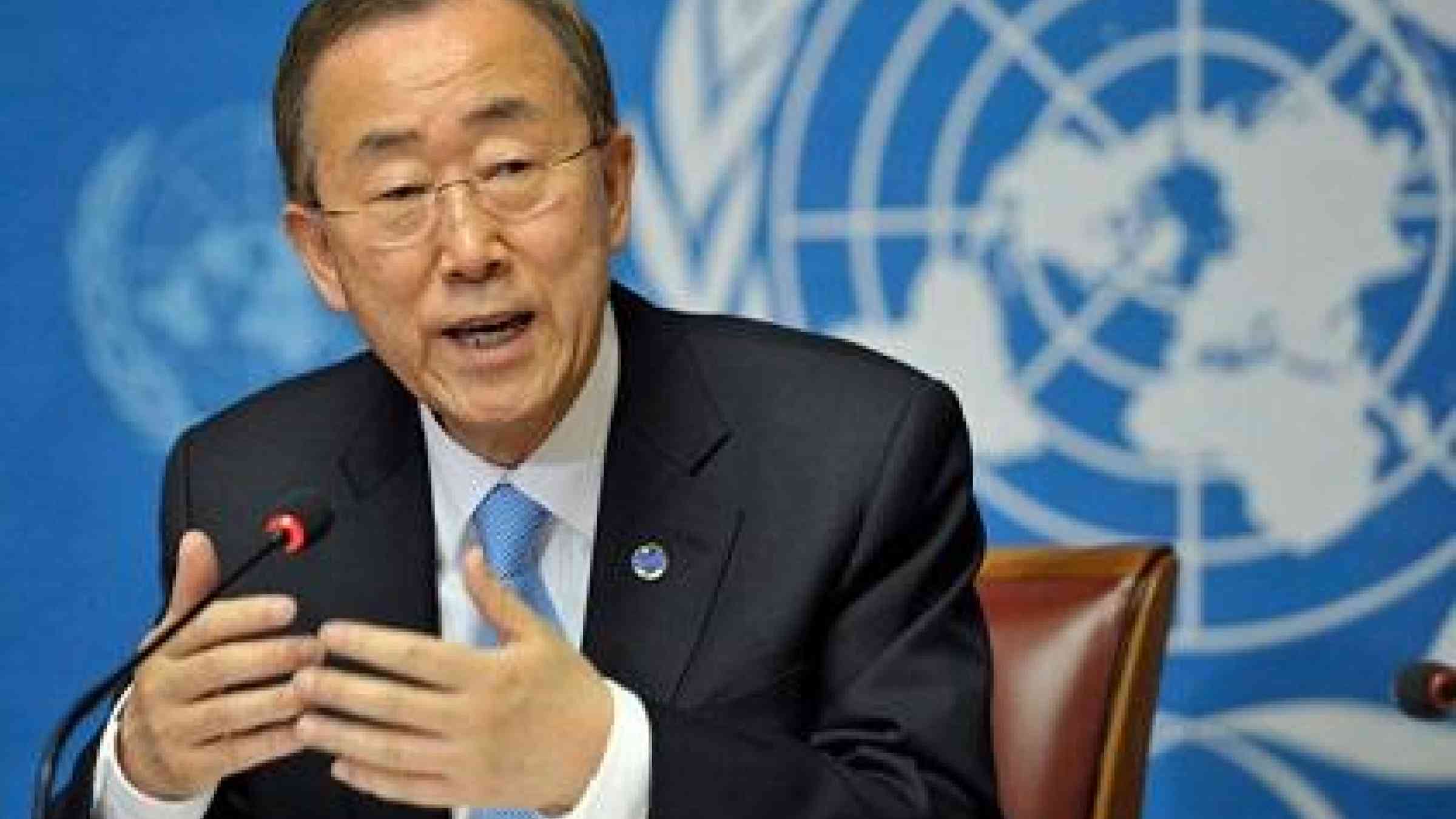
On the occasion of the International Day for Disaster Risk Reduction, UN Secretary-General Ban Ki-moon called on all Governments to work with civil society and the private sector to move from managing disasters to managing risk. The International Day, to be observed on 13 October, will focus on reducing loss of life.
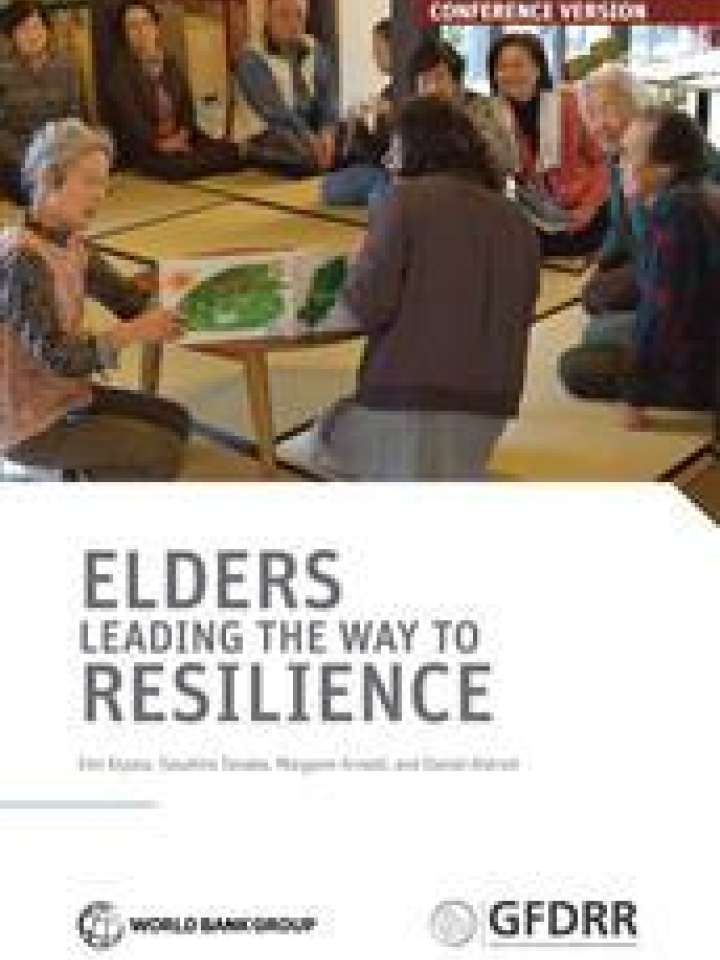
This report describes and assesses the experience of Ofunato, Japan, which was devastated by the 2011 Great Eastern Japan Earthquake. With facilitation by the NGO Ibasho, elders and other community members planned and built the Ibasho Café, which now acts as a hub that is restoring the fabric of a community still badly damaged by the disaster. This report provides lessons learned that are applicable to other actors that want to support community-driven approaches that empower elders to contribute to their communities and strengthen resilience.
World Bank, the
Global Facility for Disaster Reduction and Recovery, the (GFDRR)
A mobile application that bridges the information gap on disaster risk communication in Myanmar has been released. The new mobile app, Disaster Alert Notification, provides warnings to communities in times of disaster as well as notifications, important news, Do's and Don'ts for prevalent hazards, and phone numbers that the public can contact during emergencies.