1. Home
  2. Knowledge Base | PreventionWeb
  3. Themes

Inclusion

Ensuring an all-of-society engagement and partnership for DRR through empowerment and inclusive, accessible and non-discriminatory participation, paying special attention to people disproportionately affected by disasters, especially the poorest.
Here are five ways countries ensure persons with disabilities are not left behind when the next disaster strikes.

Latest Inclusion additions in the Knowledge Base

Uploaded on
Documents and publications

This document explains what the Resilience Assessment Benchmarking and Impact Toolkit (RABIT) is, and why, when and how to use it. It offers practical guidance on how to integrate the notion of resilience throughout the project cycle, to identify the

Centre for Development Informatics, University of Manchester
Documents and publications

This study presents the perceptions of key stakeholders within heatwave plans in Belgium and The Netherlands on their responsibilities, the partnerships, and the effectiveness of the local implementation in Brussels and Amsterdam. National heatwave plans

Centre for Research on the Epidemiology of Disasters (CRED)
Documents and publications

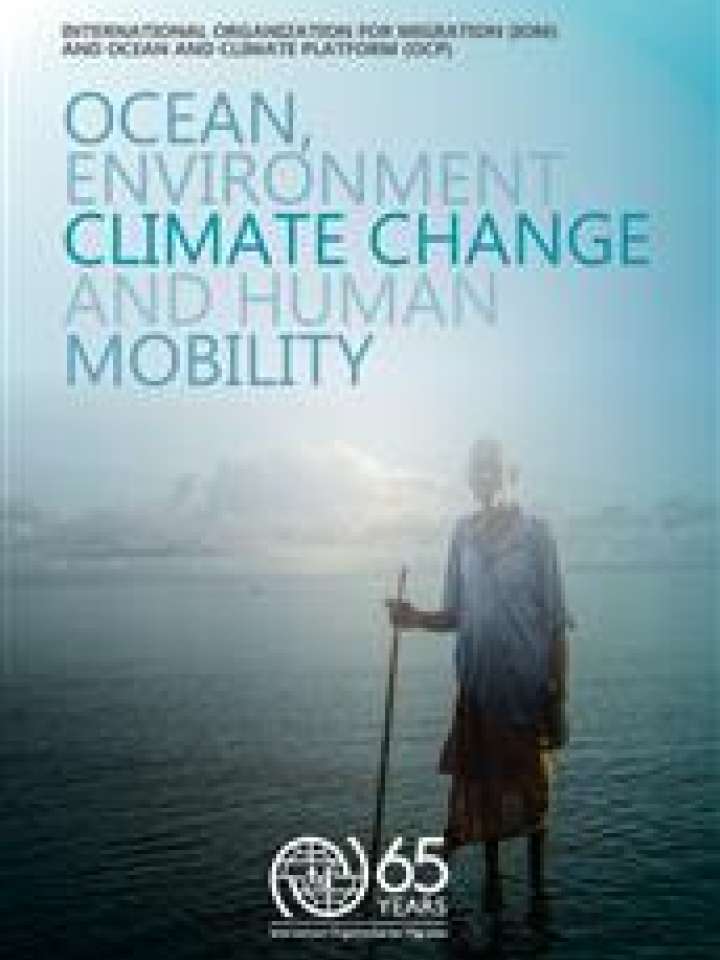
This document explores the links between ocean and marine ecosystems, climate change and human mobility. The International Organization of Migration (IOM) and the Ocean and Climate Platform (OCP) have combined their efforts in order to address this

International Organization for Migration (IOM)
Ocean & Climate Platform
Update

The Rwanda government is building a `Disaster Resilience Village’ to be used as a safe haven by communities at risk. They are devising simple ways of constructing houses for people left homeless due to disasters and have announced a new drive to integrate local and indigenous knowledge with science and technology to increase disaster resilience.

FoodDoz
Update

A new report released by the World Bank and the Global Facility for Disaster Reduction and Recovery warns that the combined human and economic impacts of extreme weather on poverty are far more devastating than previously understood. The study uses a new method of measuring disaster damages, factoring in the unequal burden of natural disasters on the poor.

Global Facility for Disaster Reduction and Recovery, the (GFDRR)
Documents and publications

This report warns that the combined human and economic impacts of extreme weather on poverty are far more devastating than previously understood.

World Bank, the
Global Facility for Disaster Reduction and Recovery, the (GFDRR)
Documents and publications

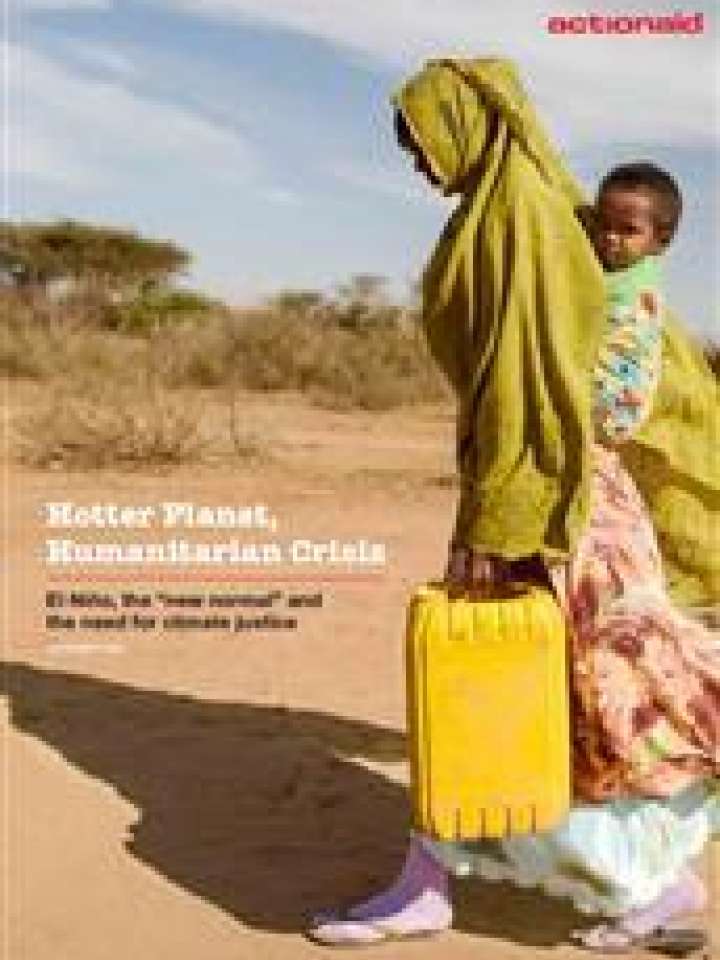
This paper provides an overview of the recent 2015-16 El Niño climate-related events and the subsequent lack of adequate response to the global drought. It proposes a fair shares approach to climate justice, thereby providing guidance for appropriate

ActionAid International
Photo by Flickr user International Federation of Red Cross and Red Crescent Societies CC BY-NC-ND 2.0 https://flic.kr/p/EDSL1u
Update

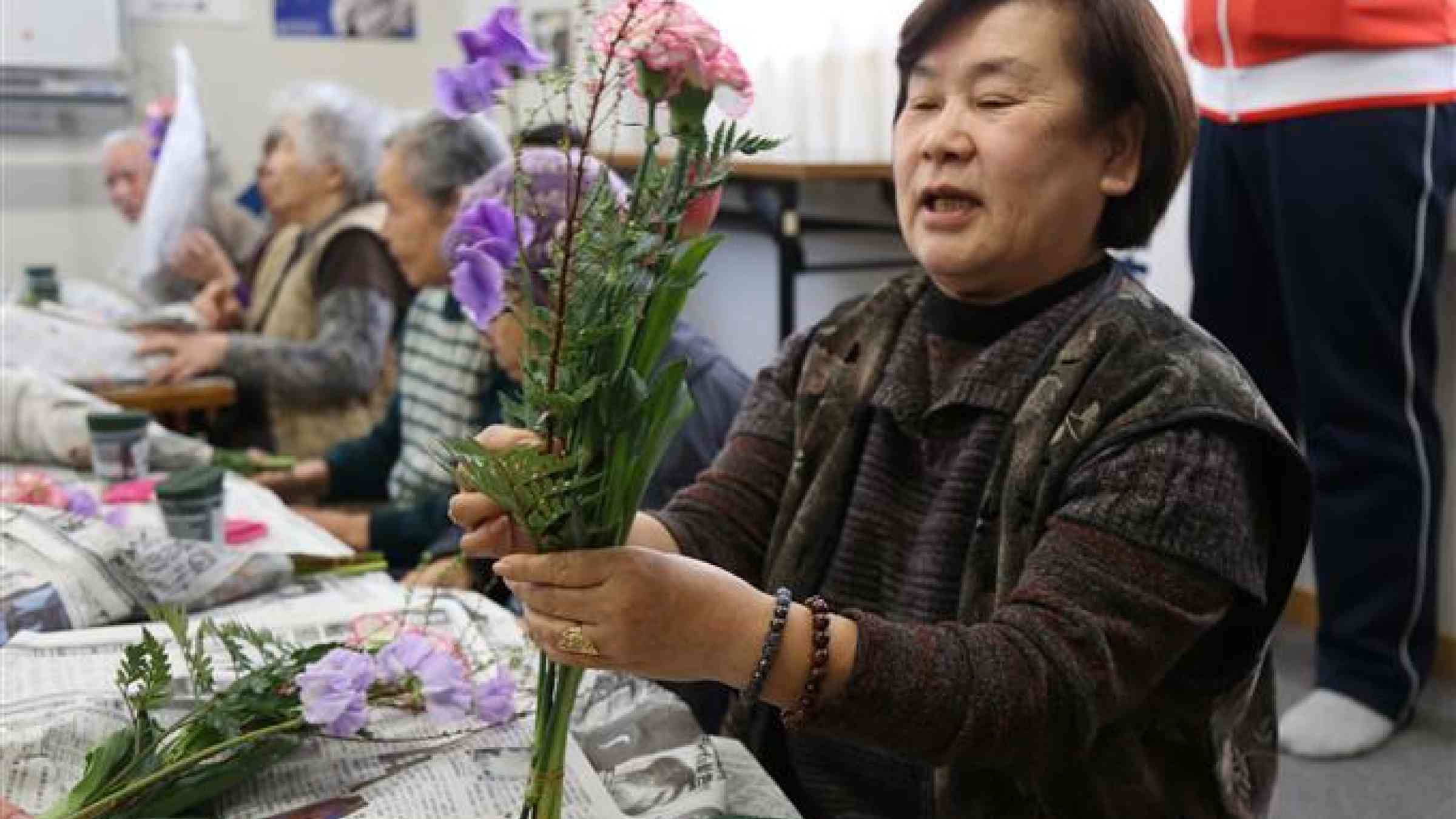
In the aftermath of the earthquake that struck Nepal in April 2015, many efforts engaged youth in relief and recovery activities, however, the elderly were completely left out. A peer-to-peer learning experience with an elder-led recovery effort in Japan showed Nepali community leaders how much they can achieve by working collectively.

World Bank, the
Uploaded on