1. Home
  2. Knowledge Base | PreventionWeb
  3. Themes

Inclusion

Ensuring an all-of-society engagement and partnership for DRR through empowerment and inclusive, accessible and non-discriminatory participation, paying special attention to people disproportionately affected by disasters, especially the poorest.
Here are five ways countries ensure persons with disabilities are not left behind when the next disaster strikes.

Latest Inclusion additions in the Knowledge Base

Uploaded on
Update

The Insurance Development Forum (IDF), a new public-private partnership between leaders of the United Nations, the World Bank Group, and the insurance industry, has endorsed the G7 InsuResilience target and approved a framework for more resilient societies to promote economic recovery and resilience to climate events and natural disasters in vulnerable regions.

Business Wire
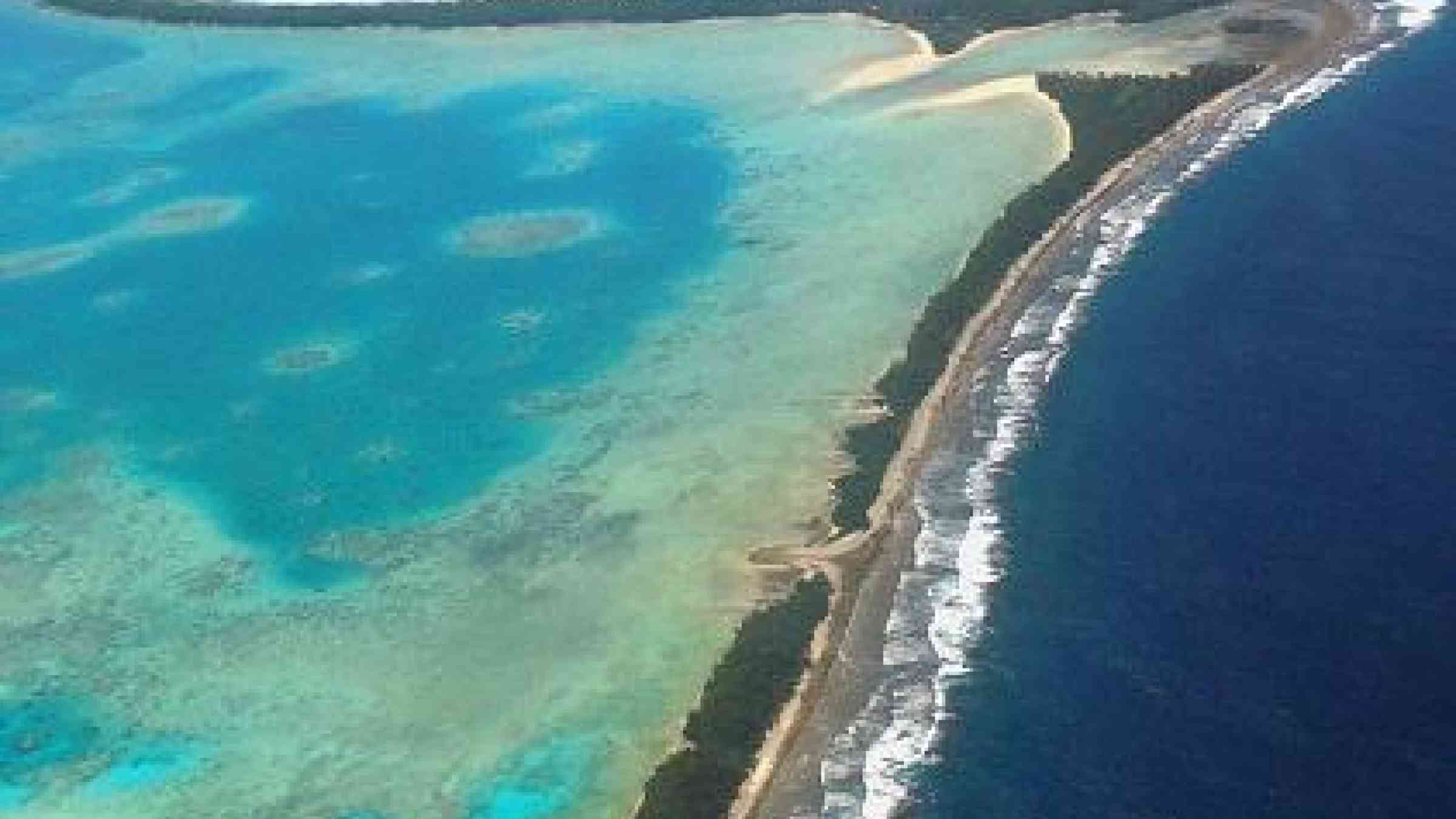
The countries in the Insurance Development Forum's focus include the Pacific island nation of Tuvalu. A remote territory of low-lying atolls, it is among the most climate-change vulnerable countries in the world. (Photo: Lily-Anne Homasi/DFAT)
Update

A new public-private partnership between the leaders of the United Nations, the World Bank and the insurance sector has adopted a risk management strategy that seeks to harness insurance to promote economic recovery and resilience to climate hazards and disasters.

United Nations Office for Disaster Risk Reduction (UNDRR)
Photo by Flickr user United Nations Photo CC BY-NC-ND 2.0 https://flic.kr/p/ptqwaW
Update

Evidence is increasing that climate change is taking the largest toll on poor and vulnerable people, and these impacts are largely caused by inequalities that increase the risks from climate hazards, according to a new report launched by the United Nations today. In the past 20 years, 4.2 billion people have been affected by weather-related disasters and many lives lost.

United Nations - Headquarters
Update

Despite the huge amount of aid money promised after the 2010 earthquake, very little was channelled through Haitian organisations, leading to accusations it was badly targeted and did little to help recover and prepare for future catastrophes. It also remains dangerously exposed to environmental threats, but its vulnerability and ability to cope has a complex history.

Guardian, the (UK)
Photo by Dr Singh
Update

When disaster strikes in India, persons with disabilities, the world’s largest minority, are the first to be forgotten and the last to be remembered. Disability-inclusive disaster risk reduction (DiDRR) not only helps disabled people, but also elderly people, small children, and foreigners; however, there is a mismatch in emergency policies and services.

Infinite Ability
Update

The National Disaster Management Authority (NDMA) and United Nations Children’s Fund (UNICEF) have extended their partnership for Child Centred Disaster Risk Management to enhance the government’s existing capacity and delivery of services to minimise risks for women and children during disasters. A Pakistan School Safety Framework is being piloted across the country.

United Nations Children's Fund (UNICEF)
Documents and publications

This report presents the findings from Work Package 3 (WP3, Vulnerability) of the STREVA (Strengthening Resilience in Volcanic Areas) project’s research conducted in the communities surrounding La Soufriere Volcano in the island of St. Vincent, West

University of East Anglia
Documents and publications

This publication shares lessons learned from innovative drought and water security demonstration projects conducted by communities and partners in Ethiopia, Kenya and Uganda. In preparing this document, the country facilitators reviewed 10 documented case

World Meteorological Organization (WMO)
Global Water Partnership
Intergovernmental Authority on Development
Integrated Drought Management Programme
Uploaded on