1. Home
  2. Knowledge Base | PreventionWeb
  3. Hazards

Technological hazard

Technical or technological disasters are caused by events that can be intense and sudden, induced by human processes. They originate from technological or industrial conditions, dangerous procedures, infrastructure failures or specific human activities (UNGA, 2016).

Technical systems are complex, with many dependent subsystems. The failure of one element within this system can cascade throughout the chain, causing a series of failures leading to a disaster. Technical hazards are increasing due to the scope of technological expansion. They include industrial activity that includes dangerous conditions, processes, all transport systems (land, sea, air), defensive or offensive weapons systems and power plants.

By 2050, most of humanity will live downstream of large dams built in the 20th century.

A new set of emerging technological risks under the Sendai Framework includes Information and communications technology (ICT)-related hazards. The increasing dependence upon complex large-scale network architectures of information technologies also increases exposure to cybersecurity threats. These threats include computer viruses, worms, Trojan horses, malware, spoofing attacks, identity theft, the theft and illegal disclosure of data, the loss of data and contamination of data. They have the potential to disrupt essential infrastructure operations such as communication, health, banking, transportation, energy, education and many other services.

Risk factors

  • Ageing, abandoned or idle installations.
  • Insufficient institutional and legal capacities.
  • Natural hazards: storms, landslides, floods or earthquakes can cause industrial accidents.

Vulnerable areas

  • Residential communities around industrial establishments tend to be most at risk because of their proximity.

Risk reduction measures

  • Assess the risks before planning and building critical infrastructure.
  • Develop policies and practices for continuity management.
  • Integrate the risks into planning, foresee and reduce cascading effects.
  • Create a hazard map to identify people at risk and their vulnerability.
  • Draft national, regional and local response plans.
  • Put in place early warning/monitoring systems to inform response.
  • Ensure contingency and response plans are in place at a national and local level to evacuate people on time.
  • Assess new technologies.
  • Improve crisis communication before, during and after the event.
  • Organize training and exercises for complex scenarios involving multiple interdependent failures.
  • Educate and raise awareness on potential risks.

Latest Technical Disaster additions in the Knowledge Base

Uploaded on
Documents and publications

This booklet is a message to people all around the world from us, the people of Japan, who were aicted by and who continue to bear the brunt of the damage caused by the large-scale nuclear disaster at the Tokyo Electric Power Company
(TEPCO) operated

From Fukushima to the World
Update

Masaaki Ohashi, the co-chair of JCC2015, a coalition of humanitarian NGOs formed ahead of the summit, praised the new Sendai Framework for Disaster Risk Reduction for stating clearly that it applies to man-made and technological hazards - which covers nuclear power - as well as natural hazards...

Thomson Reuters Foundation, trust.org
Update

Although Japan has the capacity to help ensure the mental health and well-being of its disaster survivors, the public still needs to pay more attention to their mental health issues,' said Judy Kuriansky. 'When we talk about reconstruction efforts, it is important to note that it is not only about building back (destroyed) buildings but rebuilding people'...

Japan Times Ltd., the
Documents and publications

This report addresses the subject of nuclear disasters. It elaborates on the Fukushima Nuclear Disaster intending to answer question such as: What have been the impacts of the Fukushima nuclear disaster?; What is the current condition of the victims of

Citizens’ Commission on Nuclear Energy
Update

During a symposium held at Tohoku University on the sidelines of the third UN World Conference on Disaster Risk Reduction in Sendai, UN Secretary General Ban Ki Moon gave an account of his encounter with high school students in Fukushima Prefecture following the terrible tragedy, four years ago...

Japan News, the - Yomiuri Shimbun
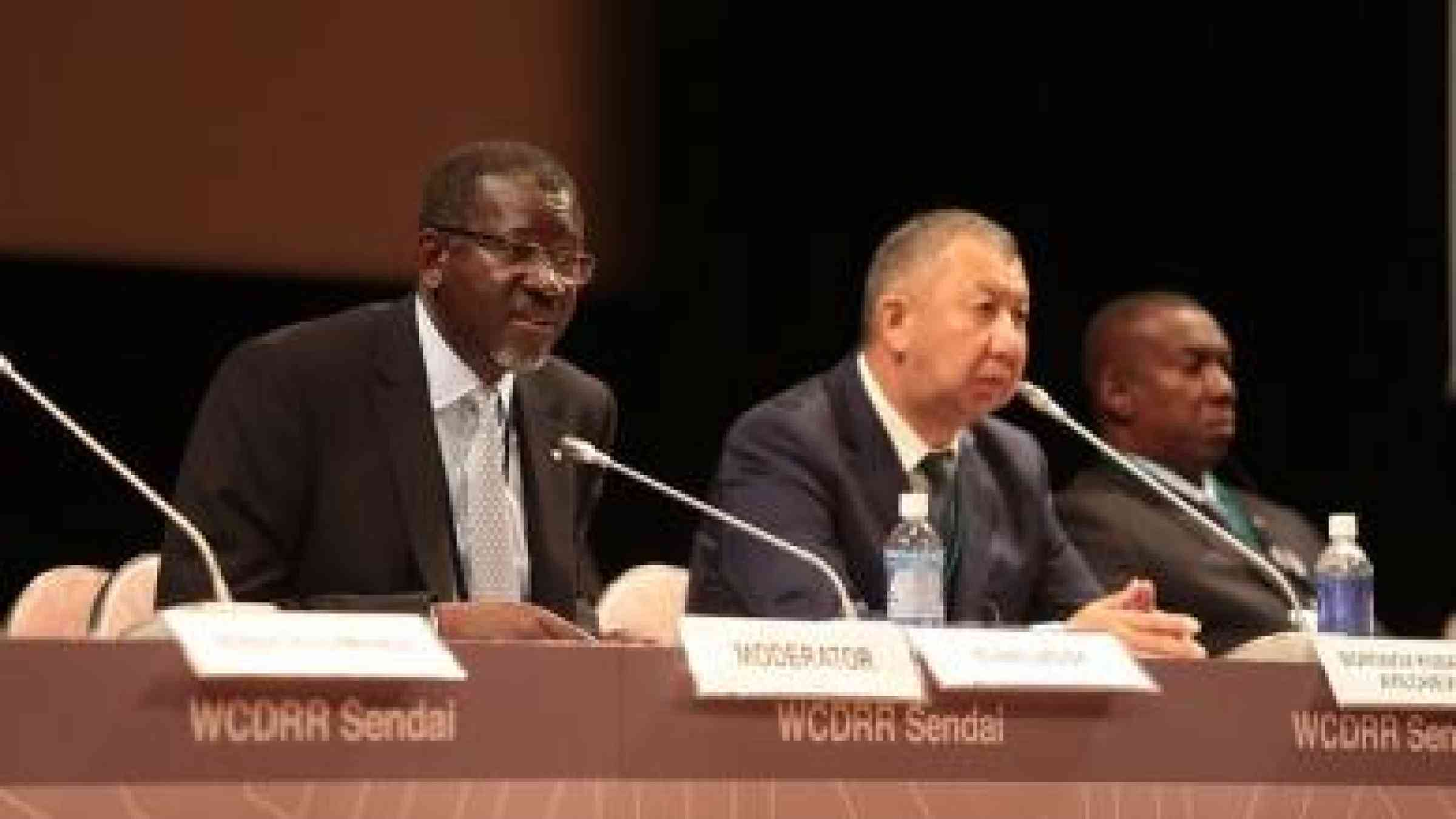
moderator, Elhadj As Sy, Secretary-General, International Federation of Red Cross and Red Crescent Societies (IFRC), photo by UNISDR
Update

'The tsunami was a reminder that well-prepared countries are not spared from such disasters such as Fukushima where you have the added challenge of stigma and fear. This requires great sensitivity as it involves meeting the psychosocial needs of affected people,' said Elhadj As Sy, Secretary General of the International Federation of Red Cross and Red Crescent Societies (IFRC)...

International Federation of Red Cross and Red Crescent Societies (IFRC)
Update

The third UN World Conference on Disaster Risk Reduction opened on Saturday in Sendai, Japan, attended by approximately 20 Heads of State and Government, many country delegations, and 8,000 participants. UN Secretary-General Ban Ki-moon, Prime Minister of Japan Shinzō Abe and many other dignitaries addressed the conference...

International Institute for Sustainable Development (IISD)
Educational materials

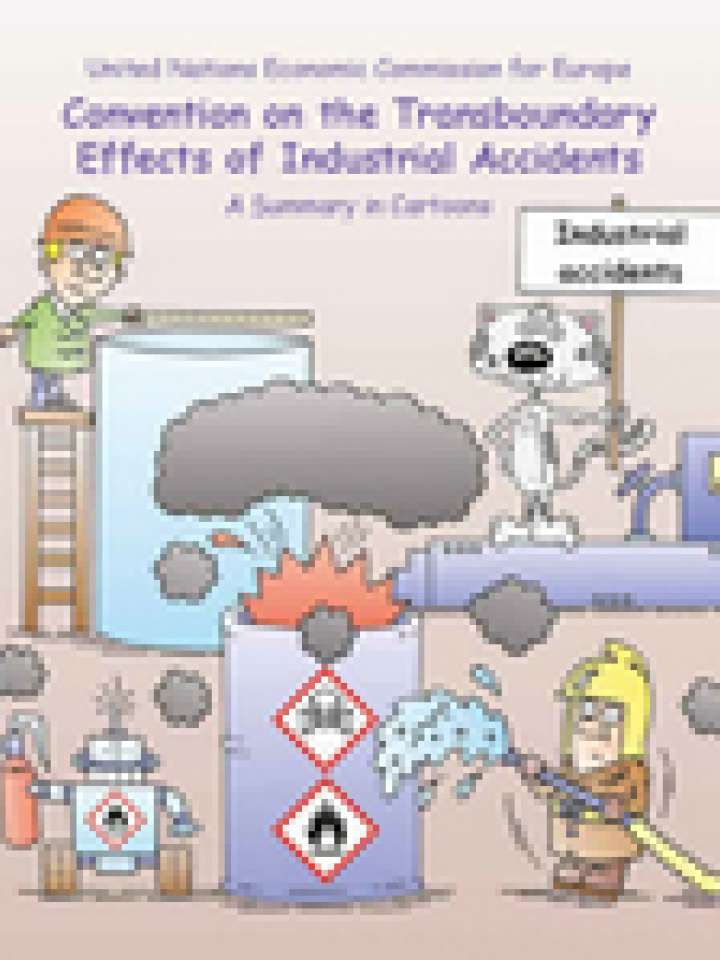
This publication summarizes in cartoons the main points of the Convention and its field of application in a user-friendly and visual manner to ensure that the Convention is more widely accessible to all interested stakeholders. These cartoons aim to

United Nations Economic Commission for Europe (UNECE)
Uploaded on