1. Home
  2. Knowledge Base | PreventionWeb
  3. Hazards

Technological hazard

Technical or technological disasters are caused by events that can be intense and sudden, induced by human processes. They originate from technological or industrial conditions, dangerous procedures, infrastructure failures or specific human activities (UNGA, 2016).

Technical systems are complex, with many dependent subsystems. The failure of one element within this system can cascade throughout the chain, causing a series of failures leading to a disaster. Technical hazards are increasing due to the scope of technological expansion. They include industrial activity that includes dangerous conditions, processes, all transport systems (land, sea, air), defensive or offensive weapons systems and power plants.

By 2050, most of humanity will live downstream of large dams built in the 20th century.

A new set of emerging technological risks under the Sendai Framework includes Information and communications technology (ICT)-related hazards. The increasing dependence upon complex large-scale network architectures of information technologies also increases exposure to cybersecurity threats. These threats include computer viruses, worms, Trojan horses, malware, spoofing attacks, identity theft, the theft and illegal disclosure of data, the loss of data and contamination of data. They have the potential to disrupt essential infrastructure operations such as communication, health, banking, transportation, energy, education and many other services.

Risk factors

  • Ageing, abandoned or idle installations.
  • Insufficient institutional and legal capacities.
  • Natural hazards: storms, landslides, floods or earthquakes can cause industrial accidents.

Vulnerable areas

  • Residential communities around industrial establishments tend to be most at risk because of their proximity.

Risk reduction measures

  • Assess the risks before planning and building critical infrastructure.
  • Develop policies and practices for continuity management.
  • Integrate the risks into planning, foresee and reduce cascading effects.
  • Create a hazard map to identify people at risk and their vulnerability.
  • Draft national, regional and local response plans.
  • Put in place early warning/monitoring systems to inform response.
  • Ensure contingency and response plans are in place at a national and local level to evacuate people on time.
  • Assess new technologies.
  • Improve crisis communication before, during and after the event.
  • Organize training and exercises for complex scenarios involving multiple interdependent failures.
  • Educate and raise awareness on potential risks.
Latest Technical Disaster additions in the Knowledge Base

Uploaded on
Documents and publications

Second edition, 2015:

The updated second edition of the Awareness and Preparedness for Emergencies at Local Level (APELL) handbook builds on the original publication of 1988, drawing on nearly three decades of experience in supporting resilient

United Nations Environment Programme (UNEP)
Awareness and Preparedness for Emergencies at Local Level
Update

The Asahi Shimbun reports that the Tokyo Electric Power Co. in 2008 recognized the 'indispensable' need for countermeasures against a towering tsunami at the Fukushima No. 1 nuclear plant, but it ended up doing nothing. This is revealed in an internal document produced at the request of its shareholders who have filed a lawsuit against the utility's executives...

Asahi Shimbun Company, the
Update

Results of the project 'Assessment of Environmental Risks in the Exclusion Zone along the Ukrainian and Belarusian Borders' were welcomed by representatives of Belarus and Ukraine and included a discussion of necessary follow-up steps to be taken by authorities in both countries. The importance of addressing forest fires in the Chernobyl Exclusion Zone was highlighted as one of the priority areas...

Organisation for Security and Cooperation in Europe
Update

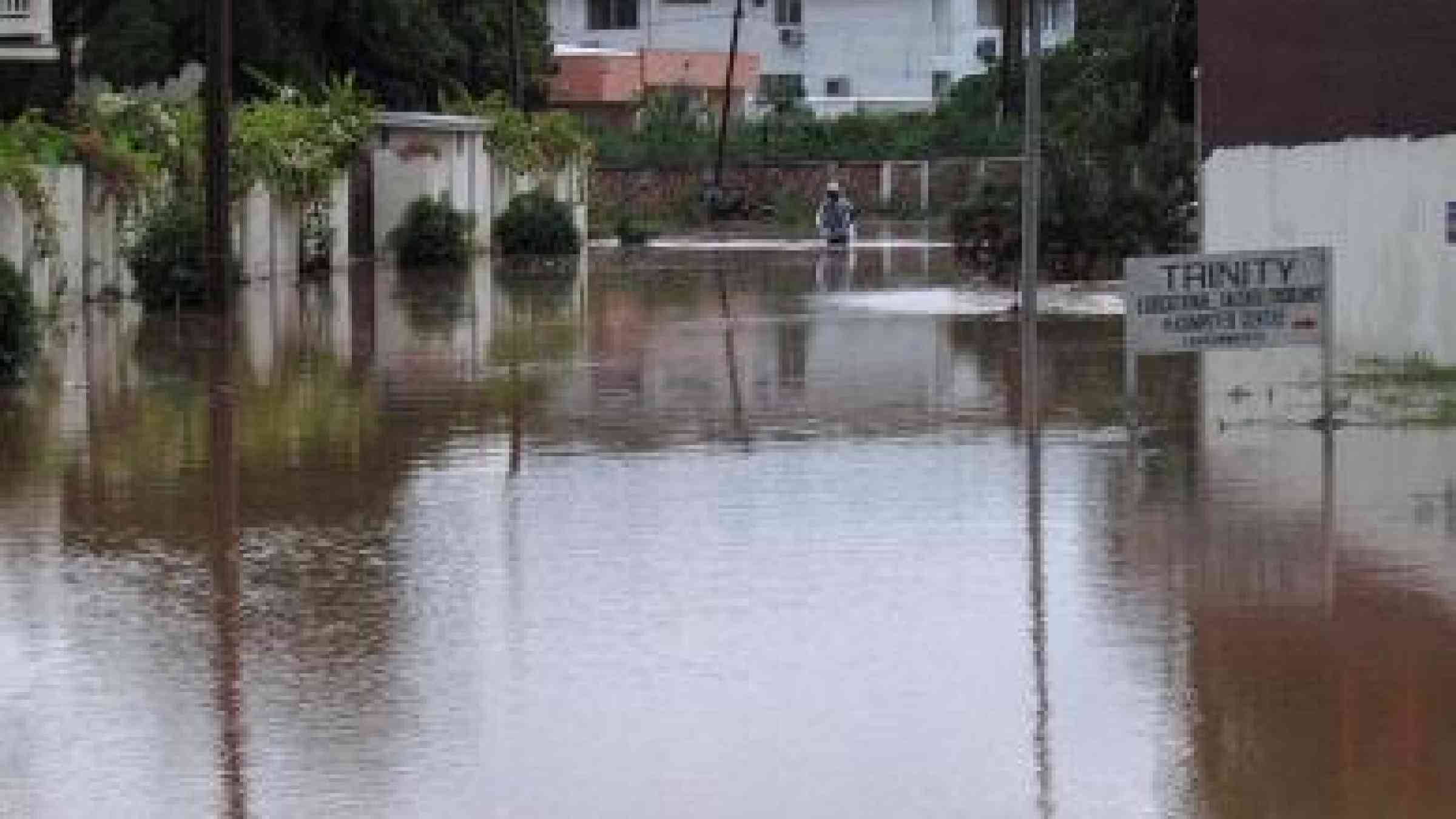
The United Nations Resident Coordinator in Ghana, Ms Christine Evans-Klock, declared: 'We are prepared to work with other stakeholders to achieve [the] goal' of disaster prevention, reports Ghana Business News. She made these remarks when she toured the disaster-hit areas in Accra including the GOIL filling Station at the Kwame Nkrumah Circle and some residential areas...

Ghana Business News
Photo by Flickr user Stig Nygaard CC BY 2.0 https://www.flickr.com/photos/stignygaard/181742000/
Update

In a statement made yesterday, Ghana President, John Mahama, set out flood prevention and disaster risk reduction plans in Accra, in the hope of avoiding a repeat of the deadly flood and fire disasters that hit the city earlier this week, reports Floodlist. Ghana Meteorological Agency have warned that more heavy rain is expected over the coming 2 weeks...

FloodList
Documents and publications

This document is introduced as a toolkit for the implementation of the Sendai Framework for Disaster Risk Reduction by the Parties to the UNECE conventions. In this document, UNECE commits to help United Nations Member States better implement the Sendai

United Nations Economic Commission for Europe (UNECE)
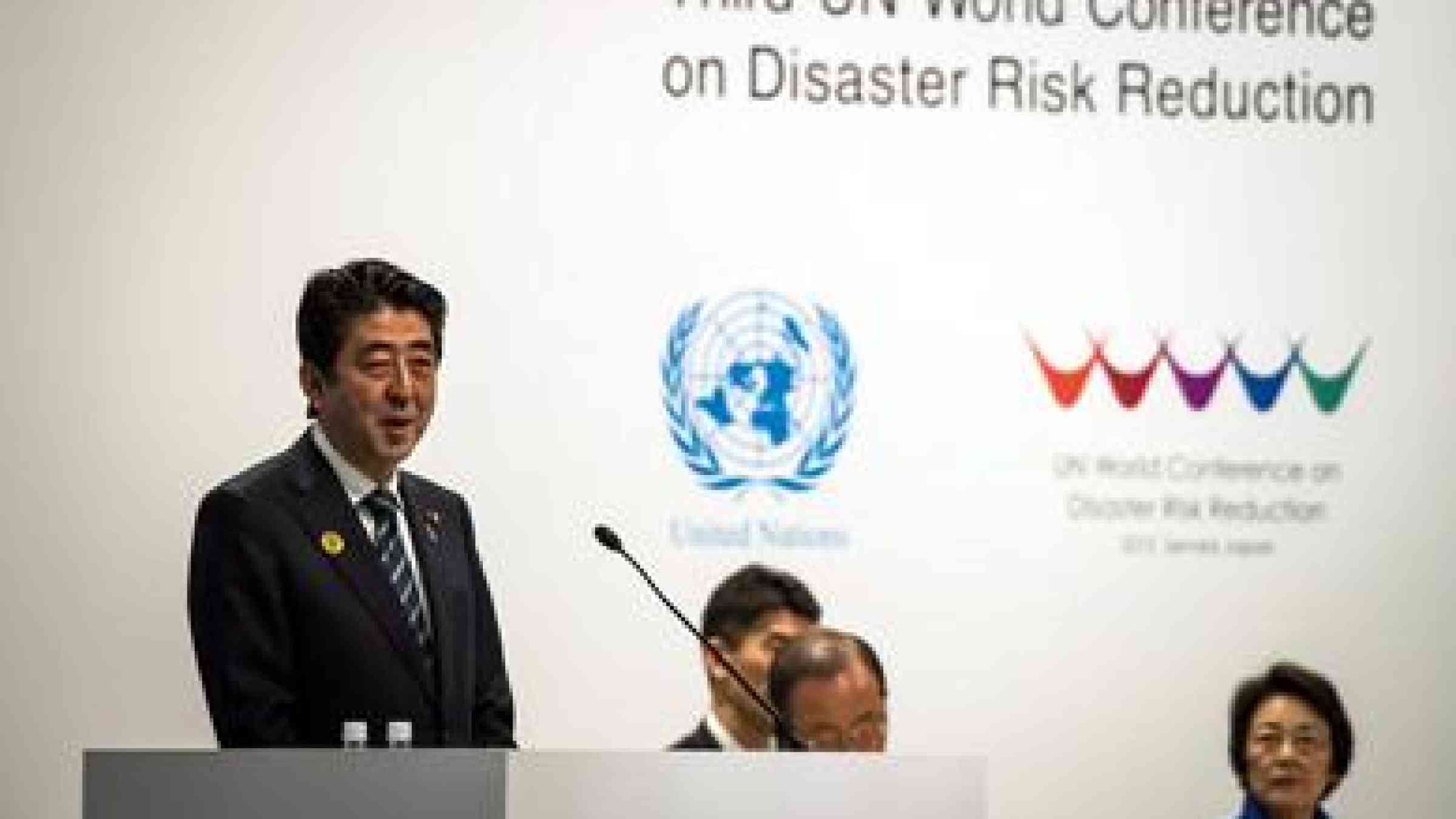
Photo by UNISDR Japanese Prime Minister Shinzo Abe speaks at the WCDRR.
Update

'Ultimately, the value of non-binding agreements such as the Sendai Framework lies in the international visibility and political momentum that they create, exerting pressure on governments to fulfil their responsibility to prevent and reduce disaster risk', writes Ana Mosneaga from United Nations University in an op ed...

United Nations University (UNU)
Documents and publications

This booklet is a message to people all around the world from us, the people of Japan, who were aicted by and who continue to bear the brunt of the damage caused by the large-scale nuclear disaster at the Tokyo Electric Power Company
(TEPCO) operated

From Fukushima to the World
Uploaded on