1. Home
  2. Knowledge Base | PreventionWeb
  3. Hazards

Landslide

Landslide is the downslope movement of soil, rock and organic materials under the effects of gravity, which occurs when the gravitational driving forces exceed the frictional resistance of the material resisting on the slope. Landslides could be terrestrial or submarine (Varnes, 1978).

Landslides can be triggered by geological and physical causes such as glacier or snow melts, heavy rains and water pressure, earthquakes, volcanic eruptions and overly steep slopes. Landslides can also be triggered by human action, the most common being building on unstable slopes. Submarine landslides, or massive slides and rock falls hitting the sea can also cause tsunamis.

Landslides can reach speeds of over 50 km/h and can bury, crush or carry away people, objects and buildings. Landslides cannot be predicted but warning systems measuring rainfall levels can provide warning to people living in landslide-prone areas.

Instrumental monitoring to detect movement and the rate of movement can be implemented, for example, extensometers, global positioning system (GPS), seismometers, aerial photography, satellite images, LiDaR (Highland and Bobrowsky, 2008), with varying degrees of success. Increasingly, the science of landslide physics is allowing the nature of these hazards to be understood, which is leading to better techniques through which they can be managed and mitigated (HIP).

Risk factors

  • Population growth
  • Rapid urbanisation
  • Environmental degradation (deforestation and inappropriate use of lands and slopes)
  • High population density, heavy rainfall and rapid land use changes increase the instability of slopes

Risk reduction measures

  • Early warning systems to observe and alert before landslides happen
  • Hazard maps to identify landslides risk and vulnerabilities
  • Integrate landslide risk assessment into urban planning strategies
  • Building codes and standards for materials that reinforce landslide resilience
  • Improve drainage, building tunnels and trenches to stabilise slopes
  • Protect forest cover and regulate logging
  • Raise awareness of landslide risk
  • Regular drills and community evacuation exercises
  • Establish national, regional, and local evacuation plans
Latest Land Slide additions in the Knowledge Base

Uploaded on
Update
USA: Alaska's 2025 mega tsunami warns cruise lines

Researchers say 481-metre wave in fjord was triggered by rockslide linked to climate crisis.

Guardian, the (UK)
A geoAI-driven and decision-oriented methodology for multi-hazard early warning system development thumbnail
Documents and publications

Drawing on ethnographic fieldwork in Japan (and partially Chile) since 2016, this article argues that disaster preparedness education is increasingly delivered through playful, fun activities.

International Journal of Disaster Risk Science
View of a street of Quito, Ecuador
Update
Ecuador: strengthening the resilience of road network

Ecuador's road network faces ~$140M in annual disaster-related losses, threatening livelihoods and connectivity for millions, yet prevention spending remains far below what's needed to address the growing risk.

World Bank, the
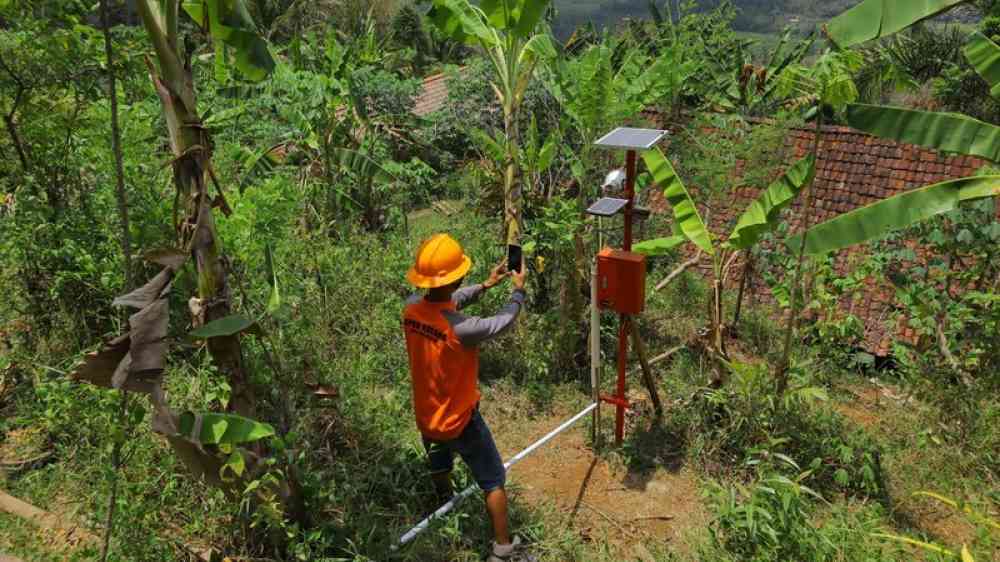
Worker uses a smartphone to document the condition of the solar panel for a landslide early warning system on a rural hill slope near Magelang, Indonesia.
Update
Indonesia: lessons from community-driven platforms for resilience

Nearby in Margagiri, villages have combined micro dams, drainage improvements, and agroforestry into an integrated water and land management system that has reduced damage from heavy rains and improved agricultural production.

World Bank, the
Update
NZ: Councils want more funding for natural hazard protection.

Councils are calling on the government to foot more of the bill for improving New Zealand's disaster resilience in the wake of last week's devastating storms.

Radio New Zealand International
Landslide-affected road
Update
NZ: Climate change means more landslides – but new tech can help

In a warming world, the key challenge now facing scientists is understanding just where in New Zealand landslides are most likely to strike in the future.

Conversation Media Group, the
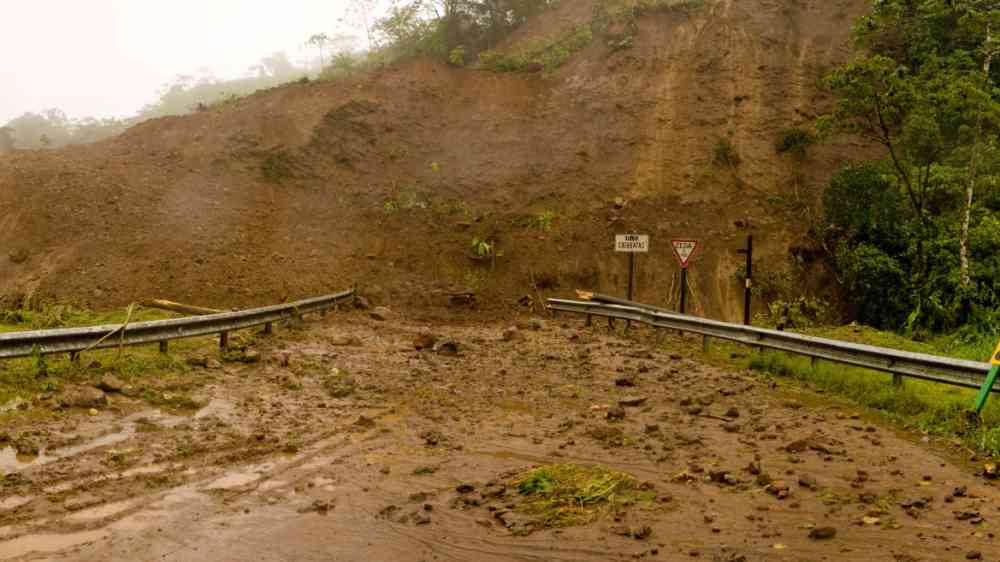
Mudslide blocking a road in Costa Rica
Research briefs
Wealth and land cover drive mountain landslide deaths

A new paper Fidan et al. (2026) demonstrates that wealth and the rate of land-cover change play a key role in determining the occurrence of fatal landslides in mountain areas.

Eos - AGU
Post Disaster Analysis Report For Elgeyo Marakwet Landslides thumbnail
Documents and publications

This study presents a participatory post-disaster analysis of recurrent landslides in Elgeyo Marakwet County, Kenya, focusing on the October 2025 event that caused significant loss of life, displacement, and livelihood disruption.

Jenga Future Initiative (JF)
Uploaded on