1. Home
  2. Knowledge Base | PreventionWeb
  3. Hazards

The World Meteorological Organization guidelines on the definition and monitoring of extreme weather and climate events advise the following (WMO, 2020):

  • Index: Daily values of Tmax, Tmin, and /or average temperature. Another index could be computed using temperature change in the 24 hours prior to the onset of the event.
  • Threshold: Determined based on historical values of the index.
  • Temporal: Station-level information on starting date, ending date, and duration of the event. Persistence of conditions for a cold wave are two days.
  • Spatial: Calculate the area affected, by providing the percentage of stations where the threshold was surpassed; locate the coordinates of the impacted stations and the centre with the highest/lowest values of the indices; and optional, but recommended if resources are available, to use a geographical information system (GIS) to calculate the area affected by the event, the magnitude, and severity.

This hazard category also includes Dzud which is a cold-season disaster in which anomalous climatic (i.e., heavy snow and severe cold) and/or land-surface (snow/ ice cover and lack of pasture) conditions lead to reduced accessibility and/or availability of forage/pastures, and ultimately to high livestock mortality during winter–spring. This page also contains content on Blizzard which is a severe snow storm characterised by poor visibility, usually occurring at high-latitude and in mountainous regions.

Vulnerability

Human health impacts from cold waves include mortality from ischaemic heart disease and cerebrovascular disease, both of which increase in cold weather.

Living in a cold house can affect health at any age, not just in old age, for a variety of reasons. Although the extra deaths in elderly people are caused mainly by cardiovascular and respiratory disease, far greater numbers have minor ailments that lead to a huge burden of disease, costs to the health system, and misery.

Compared with those who live in a warmer house, respiratory problems are roughly doubled in children, arthritis and rheumatism increase, and mental health can be impaired at any age. Adolescents who live in a cold house have a five-fold increased risk of multiple health problems (Dear and McMichael, 2011).

Risk reduction measures

To reduce impacts related to cold waves, countries have used national alerting parameters for cold wave warning or cold weather plans, which help prevent major avoidable effects on health (HIP, 2021).
Latest Cold Wave additions in the Knowledge Base

Uploaded on
Documents and publications

In French:

Depuis 2002, le rapport du délégué était intégré au rapport de la direction en charge de la prévention des risques et repris dans le rapport d’activités du ministère. La place prise ces derniers temps par les phénomènes naturels dangereux et

Ministry for Ecological and Solidarity Transition
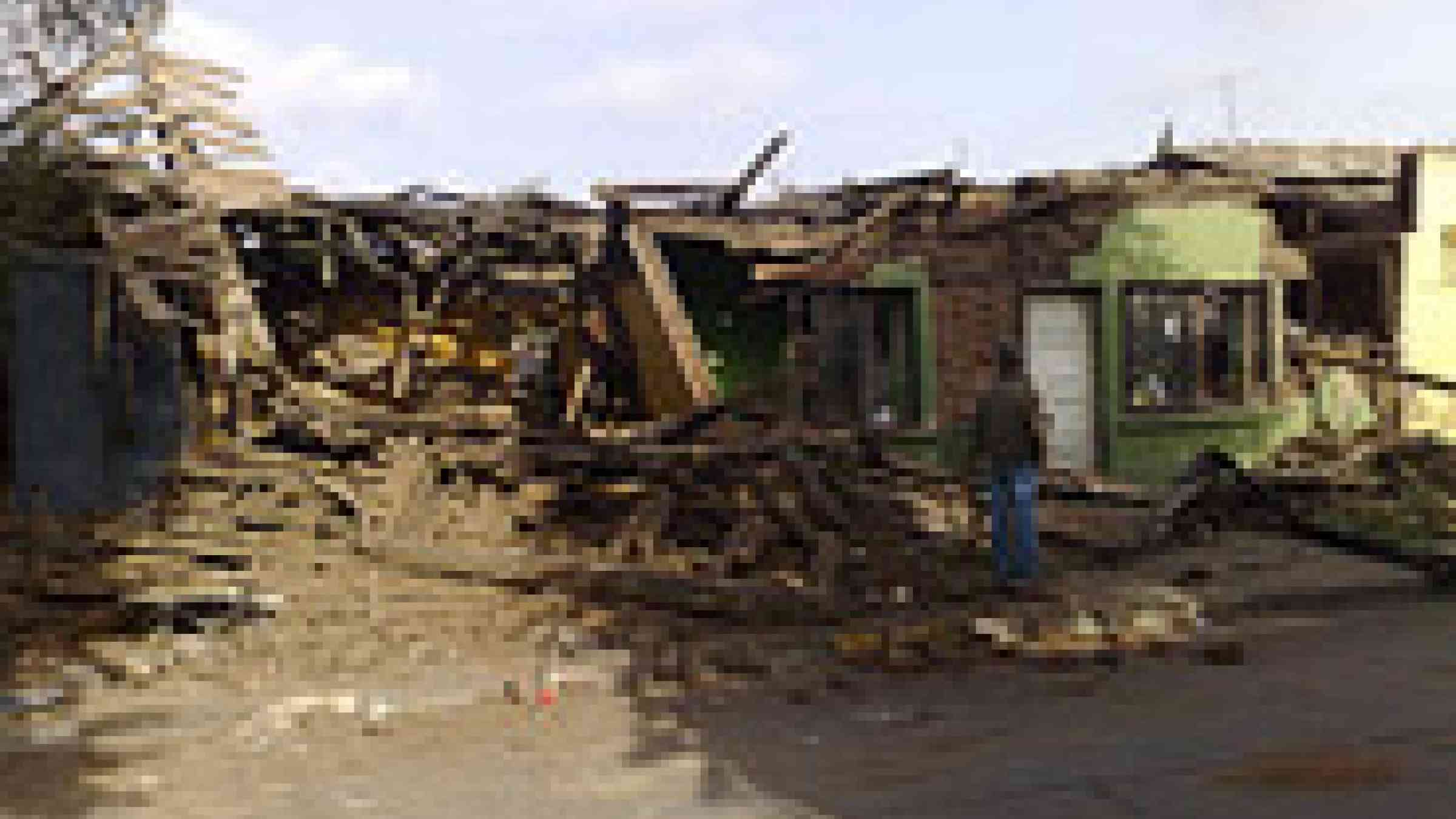
photo of earthquake damage in Chile by flickr user James Guppy, Creative Commons Attribution-NonCommercial-ShareAlike 2.0 Generic http://www.flickr.com/photos/97938415@N00/4398920008/
Update

Severe earthquakes and weather events in 2010 resulted in substantial losses and an exceptionally high number of fatalities: The earthquake in Chile, in contrast to Haiti, saw substantially fewer human losses due to strict building codes; The high number of weather-related events and record temperatures show indications of advancing climate change...

Münchener Rückversicherungs-Gesellschaft (Munich Re)
China in the snow, photo by flickr user EmmaJG, Creative Commons Attribution-NonCommercial-NoDerivs 2.0 Generic http://www.flickr.com/photos/emmajg/3172804257
Update

A report on recent extreme weather events felt around the globe as well as in China, including drought, heavy rain and snow, the China Daily spoke with Chen Zhenlin of the China Meteorological Admin (CMA), who forecasts widespread snowfalls that would be good for drought, though Chen said, not enough to 'alleviate the drought totally'...

China Daily
by Flickr user dylans / Dylan, Creative Commons Attribution-NonCommercial-ShareAlike 2.0 Generic, http://www.flickr.com/photos/dylans/5278404382/
Update

The European Commission criticised airport authorities for failing to prepare for the bad weather, as heavy snowfall and freezing temperatures were still severely disrupting air traffic in Europe on Tuesday, and may draft new rules if airport operators would not take action voluntarily to plan better for severe weather...

Wall Street Journal Digital Network
Update

'National meteorological services in Europe did well to issue warnings, but being prepared goes beyond prediction,' said the UN Secretary-General’s Special Representative for Disaster Risk Reduction. 'A complete and effective early warning system also requires planners to understand the risks they face, so that they are able to respond appropriately'...

United Nations News Centre
Documents and publications

This short note provides a brief extract from WMO's annual report on the Status of the Global Climate and a summary for 2010. It summarises significant events observed during the past year, including El Niño/La Niña episodes which have an important impact

World Meteorological Organization (WMO)
Documents and publications

Discussion paper number 11:

This paper is one component of a global study on the Economics of Adaptation to Climate Change (EACC) in developing countries. It focuses on the main human health impacts of climate change, which include injuries and deaths

World Bank, the
Update

Maplecroft's Natural Disasters Economic Loss Index places Haiti and Mozambique as the world's most exposed country for economic losses due to natural hazards from 1980-2010...

Verisk Maplecroft
Uploaded on