DRR Community Voices

The DRR Community Voices share personal stories and perspectives from the disaster risk reduction trenches on reducing risk and building resilience.

  • Our posts from both practitioners and academics reach a global audience and can influence policy, practices and approaches.
  • We invite you to propose your own blog and submit it for review.

Republishing guidelines

  • Please contact us if you wish to republish a blog article.
  • Most articles can be republished under CC BY-NC-SA 3.0 IGO Deed.
  • You must give appropriate credit, provide a link to the license, and indicate if changes were made.
  • You may not use the material for commercial purposes.
Uploaded on
WIN DRR
Women leaders in DRR share tsunami stories.
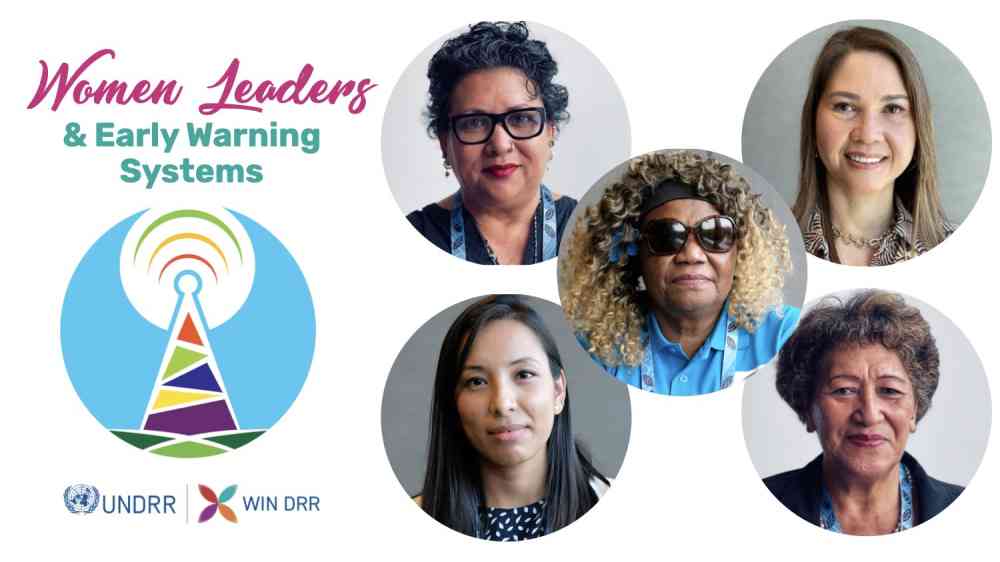
Maselina Iuta Fiso portrait photo
Maselina leads advocacy campaigns with the Deaf Association of Samoa engaging stakeholders such as the Samoa Meteorological Office, Ministry of the Prime Minister and Cabinet and the National Disaster Management Office.
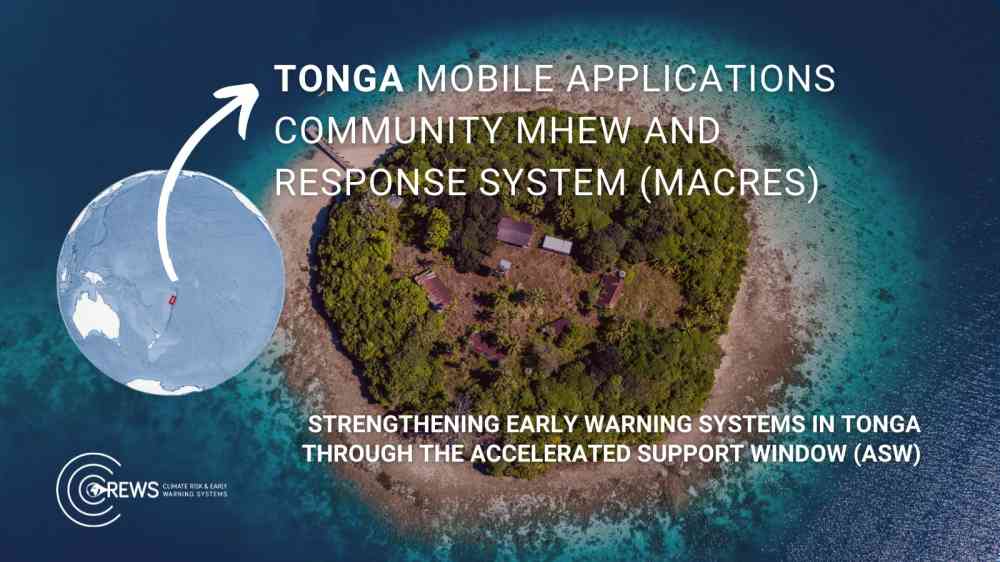
Poster CREWS Tonga
CREWS
In response to the unprecedented volcano and tsunami, Kingdom of Tonga develops Tonga Mobile Applications Community MHEW and Response System (MACRES) through the CREWS Accelerated Support Window.
A photo of two laughing children wearing traditional Mongolian dress in a field with cashmere goats
Ronald Jackson - UNDP Sára Csapó - UNDP
What if early warning systems are used to trigger the allocation of resources for social protection measures in times of crisis?
Women leaders
The primary goal of disaster risk reduction is prevention. But when that is not possible, then it is important to minimize the harm to people, assets and livelihoods through early warning systems.
Tsunami siren warning loudspeakers in Thailand
To ensure access to early action for all, more needs to be done to scale up the approach, in particular by involving the private sector.
A photo of several women in lab coats and face masks making face masks in a UNDP workshop in Iran.
Beth Allen - UNDP Boukje Kistemake - UNDP
This blog reflects on the implications of structural inequalities for early warning, and in light of the COVID-19 pandemic, the affordability of early action for all.
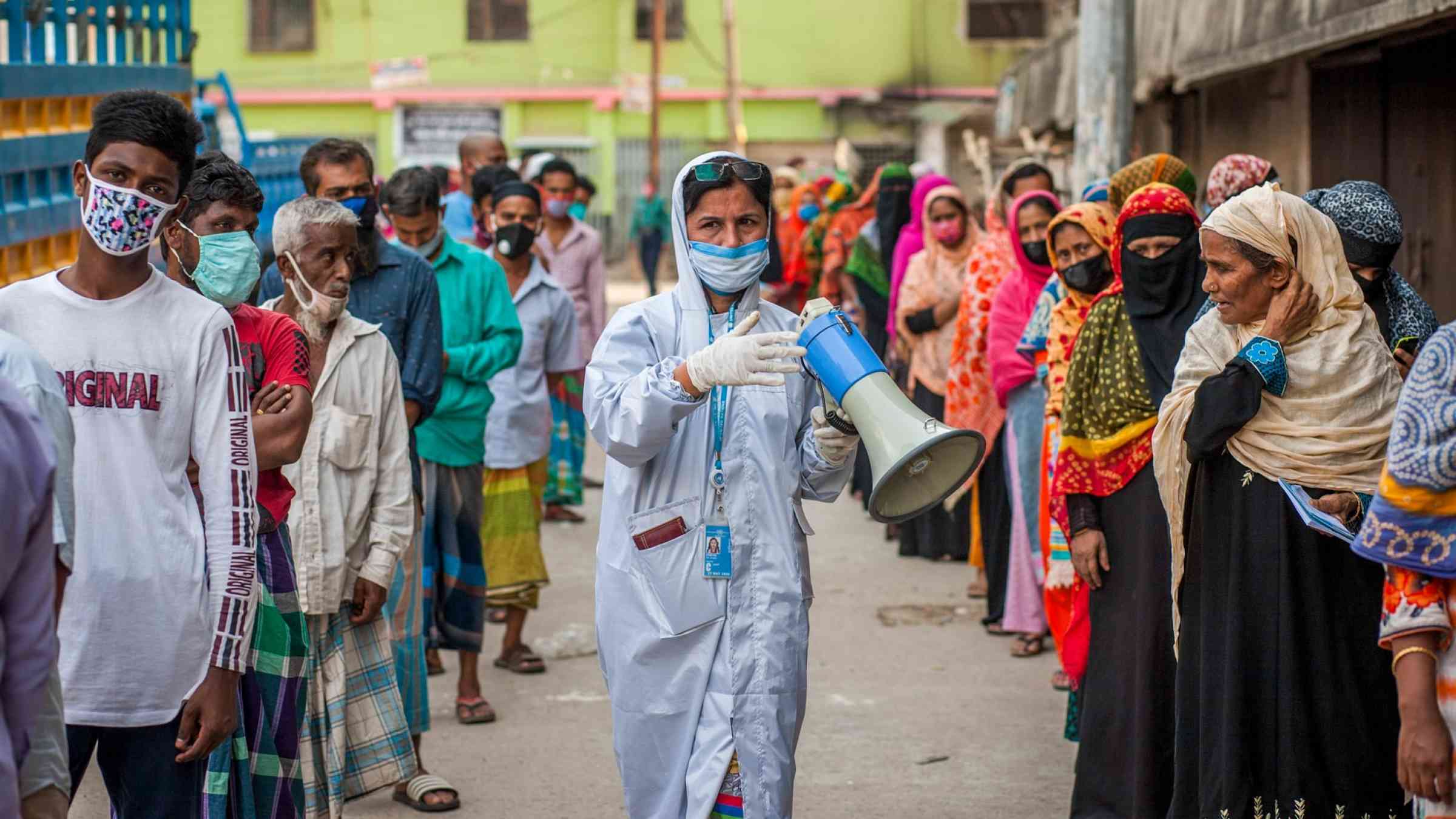
Photo of a woman wearing COVID-19 protective clothing, holding a loudspeaker walking along queuing people in Bangladesh.
Sára Csapó - UNDP Giordano Margaglio - UNDP
This blog story presents a scenario in which early warning systems become the path to preparedness for the next pandemic.