
Why resilient water systems are the smart path to peace

It is cheaper – and smarter – to invest in permanent, climate-resilient water systems than to sustain expensive, temporary ones.
What if the millions poured into temporary water solutions for refugees could instead be channelled into durable water systems built to withstand the environmental shocks reshaping East Africa?
Imagine infrastructure that lasts - not just beyond a humanitarian project cycle, but through droughts, floods and other natural hazards, protecting communities long into the future.
That question sat at the heart of the International Conference on Water, Peace and Security in Nairobi last month, where leaders, policymakers and development partners gathered to confront the growing intersection of water scarcity, climate impacts, conflict and displacement.
Across East Africa, these forces are converging - testing both humanitarian systems and national institutions. The greater Horn of Africa hosts more displaced people than Europe, with over 5 million refugees and 17 million internally displaced persons relying on temporary water systems for safe drinking water and sanitation. What were once emergency fixes have become semi-permanent lifelines: costly to run, fragile in the face of climate-related shocks, and disconnected from government-led resilience planning.
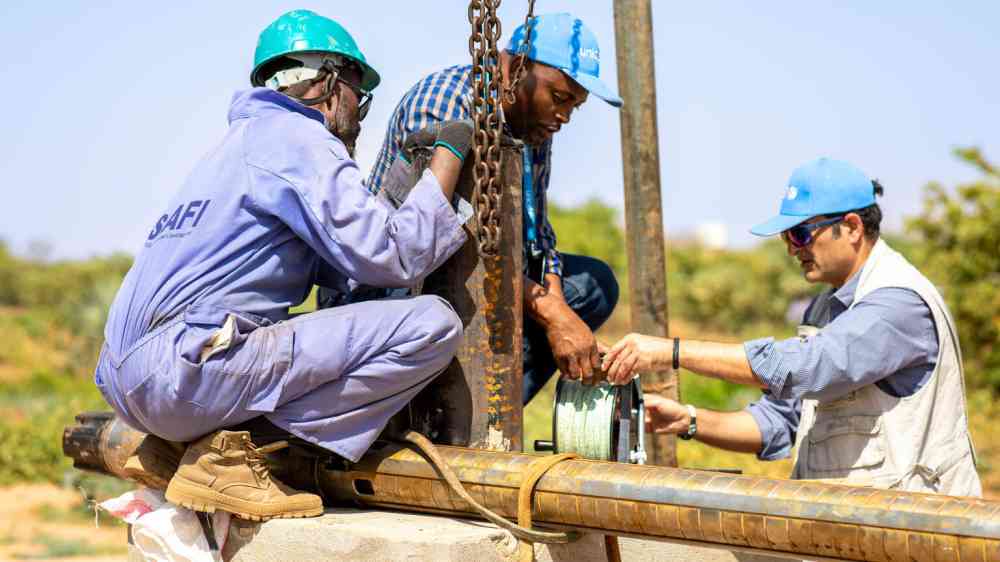
A different future is emerging - one that places resilience, not response, at the core.
With support from the German Government through KfW Development Bank, UNICEF and UNHCR are leading the R-WASH initiative, which integrates refugee water systems into national, government-managed utilities. It replaces short-term infrastructure with long-term, climate-smart water systems that can withstand environmental hazards and reduce disaster-related vulnerabilities.
And the economics speak for themselves. In Gambella, Ethiopia, shifting from trucked water to a piped supply provided by local utilities has reduced water delivery costs by 10 times. New analysis shows that upgrading water systems under the R-WASH model could cut service costs by more than 65% across refugee-hosting areas in Ethiopia, Somalia and Sudan.
But cost is only part of the story.
R-WASH is built for resilience - for systems that continue to function when droughts intensify, when floods disrupt access roads, and when extreme weather events strain already-vulnerable communities. By strengthening environmental safeguards, reinforcing infrastructure, and embedding water systems within national governance structures, R-WASH helps ensure that essential services don't collapse during crises but stay online when they are needed most.
This approach also helps reduce tensions between displaced and host communities, who often compete for scarce water resources, especially after climate shocks. By building inclusive, durable systems, R-WASH supports social cohesion and strengthens community-level resilience.
Crucially, the initiative empowers local utilities and communities themselves - so they can manage and protect these systems long after humanitarian actors leave. Over time, refugees will transition from aid recipients to paying customers of public water utilities, normalising service provision and promoting shared prosperity.
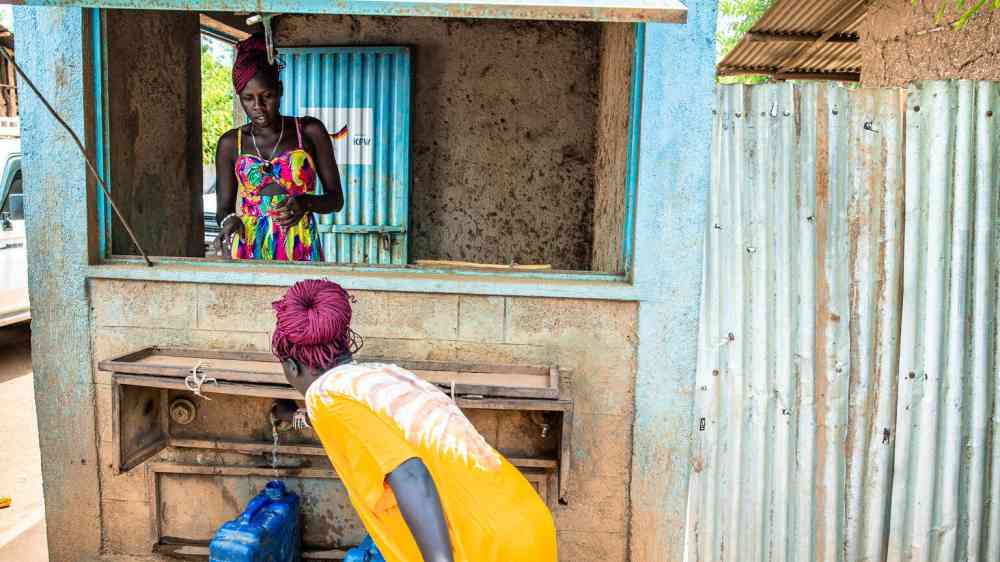
This is resilience in practice - rooted in partnership. UNICEF, UNHCR, the German Government through KfW, Xylem, the African Development Bank, the Kingdom of the Netherlands, and local governments are demonstrating what sustainable, risk-informed humanitarian-development collaboration looks like.
The next frontier is scale. With support from International Financial Institutions and other partners, R-WASH offers a practical way to move from historically expensive, reactive humanitarian responses to integrated, disaster-risk-reducing systems anchored in local institutions.
Sustainable water systems are not only a moral imperative - they are a resilience dividend. They reduce vulnerability to climate events, stabilise communities, and contribute to peace by easing the pressures that fuel displacement and conflict.
As leaders, researchers and donors convened in Nairobi, one message stood out: resilience begins where water flows sustainably.
Lavuun Verstraete is the WASH Manager for UNICEF. He had a background in Bio-Engineering with over 22 years of experience in water resources management, water supply and sanitation, and climate resilient programming.