1. Home
  2. Knowledge Base | PreventionWeb
  3. Themes

Inclusion

Ensuring an all-of-society engagement and partnership for DRR through empowerment and inclusive, accessible and non-discriminatory participation, paying special attention to people disproportionately affected by disasters, especially the poorest.

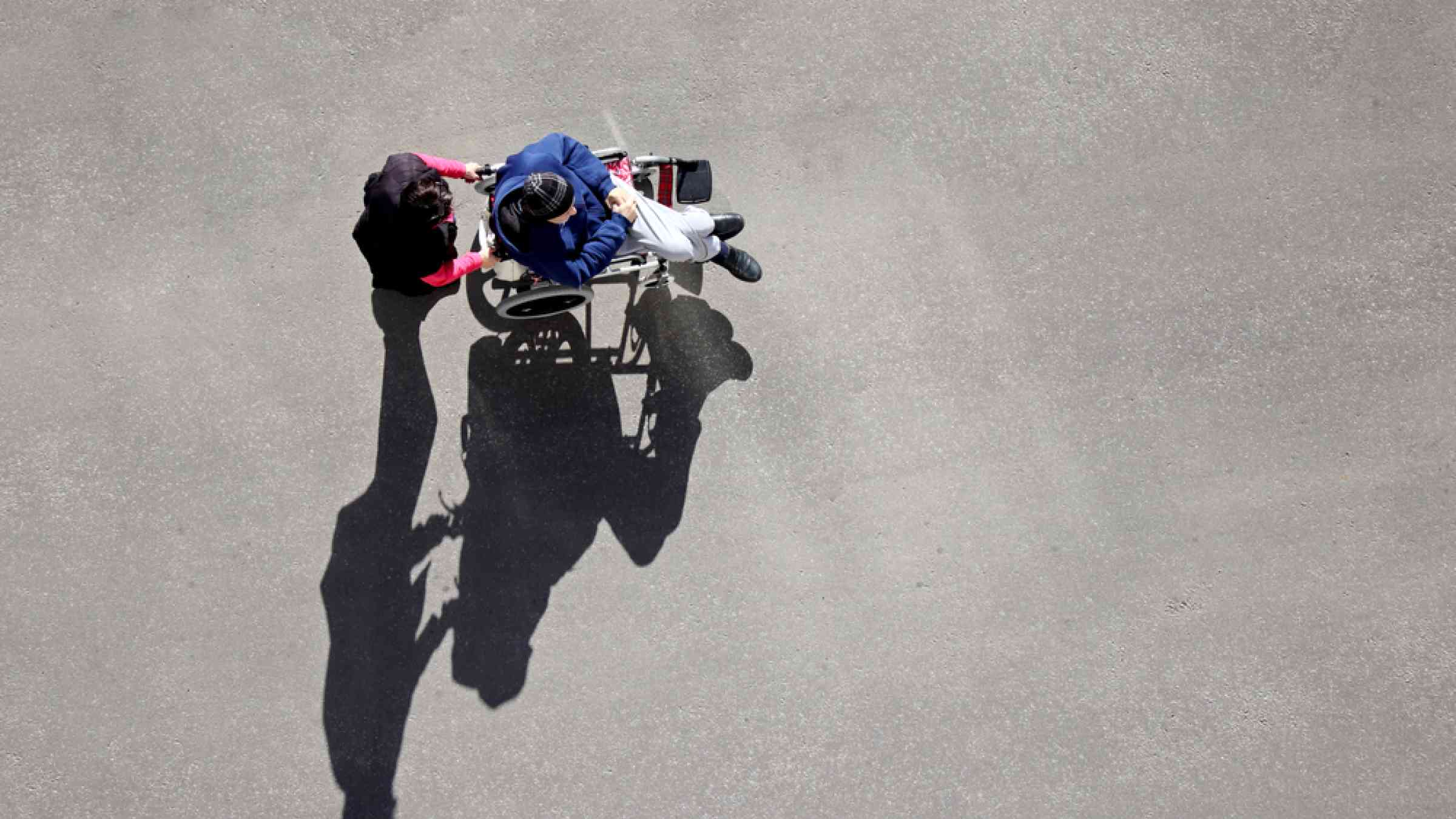
Here are five ways countries ensure persons with disabilities are not left behind when the next disaster strikes.

Latest Inclusion additions in the Knowledge Base

Uploaded on
Update

Gap between principle and practice risks widening if the country does not more fully include Indigenous people in its climate action plan.

Dialogue Earth
Portrait of children in Kenya, Africa.
Update

Reaching every individual before the next flood, drought or economic shock requires collaboration across financial institutions, policy-makers, development organizations and the private sector.

World Economic Forum (WEF)
Extreme flood events as a neglected natural hazard for marginalized Roma communities of Slovakia thumbnail
Documents and publications

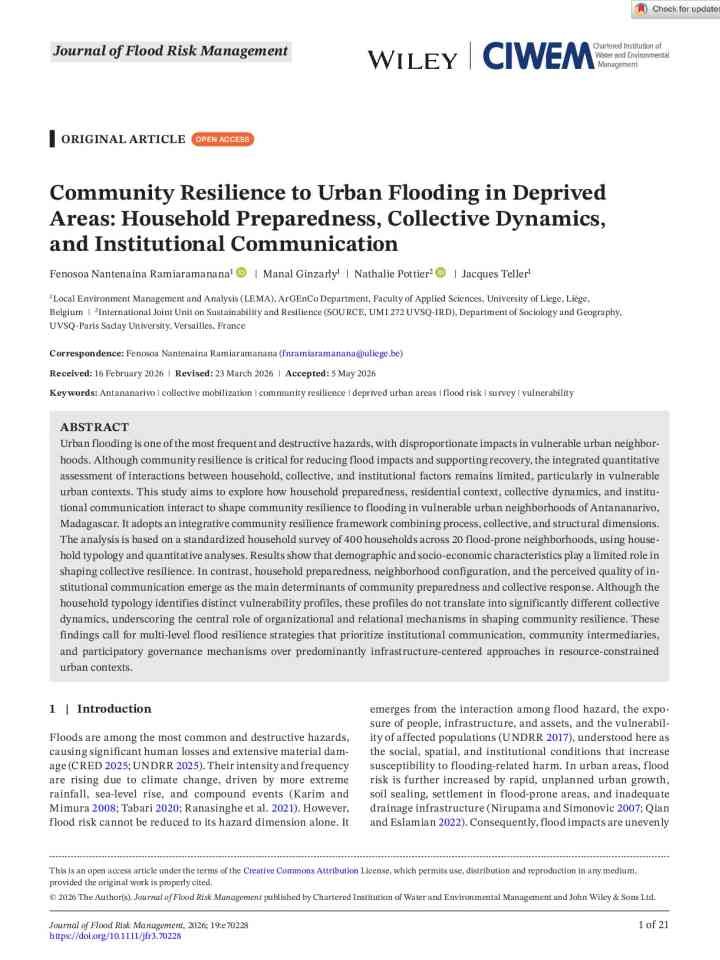
Marginalized Roma communities (MRCs) located in flood prone areas represent a highly pressing research challenge.

Natural Hazards (Springer)
Amadora city
Marta Curado Carlos Rocha Luís Carvalho
Building resilience for people with disabilities requires ensuring that their needs are fully recognised and integrated into disaster risk reduction (DRR) planning.
AI Learning and Artificial Intelligence Concept.
Kevin Blanchard
Artificial intelligence (AI) is becoming part of disaster risk reduction (DRR). It is already being used to forecast hazards , map exposure and guide decisions about where assistance may be needed.
Update

By improving their weather data, bolstering emergency response, and sharing resources, counties in Southwest Virginia can efficiently prepare for future floods.

Climate Central
At the edge of (un)inhabitability? Spatial diversity of demographic vulnerability to increasing heat exposure across remote towns of Northern Australia thumbnail
Documents and publications

The study provides a spatially detailed picture of the diversity in demographic vulnerability to increasing heat which is projected from climate change models for remote towns in Northern Australia, in both the immediate and long-term.

International Journal of Disaster Risk Reduction (Elsevier)
Targeting green space accessibility gaps to mitigate urban heat island risk in rapidly urbanizing megacities thumbnail
Documents and publications

This study integrates urban heat island (UHI) risk assessment with green space accessibility analysis to locate mismatches between heat risk mitigation need and green provision, and identifies the most vulnerable populations.

International Journal of Disaster Risk Reduction (Elsevier)
Uploaded on