Items: 29

Law 486/1997 is the legal norm that determines the basic body of guarantees and responsibilities necessary to establish an adequate level of protection of the health of workers.

In 2004, Spain launched the National Plan for Preventive Actions Against the Effects of Excessive Heat on Health to reduce the potential impacts of high temperatures during the summer.
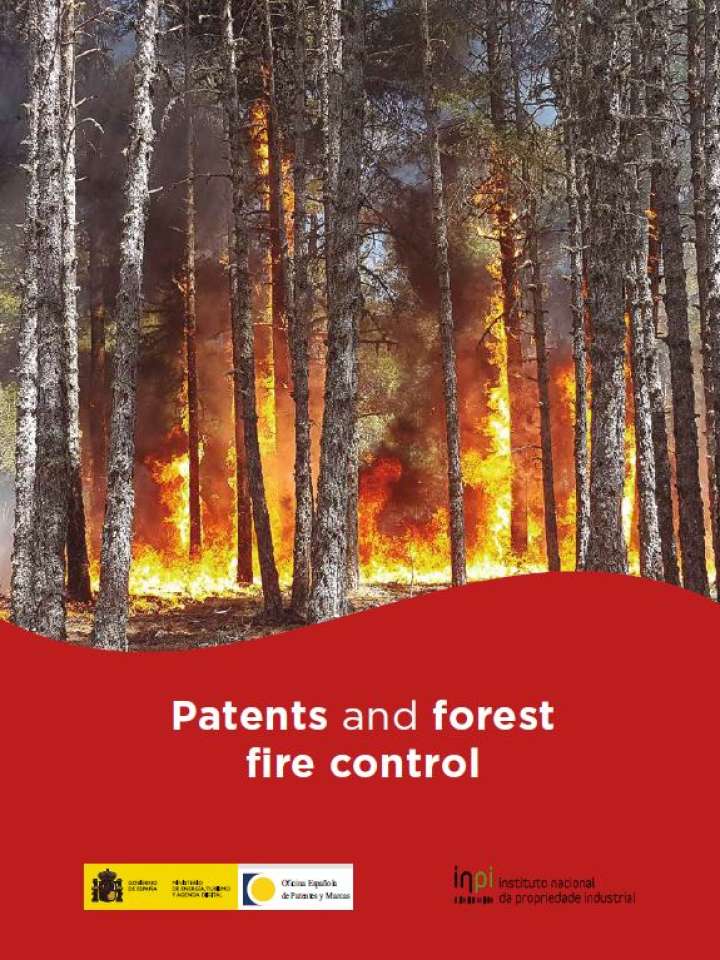
This study aims to present the most promising technologies in the field of firefight and control of wildfires.
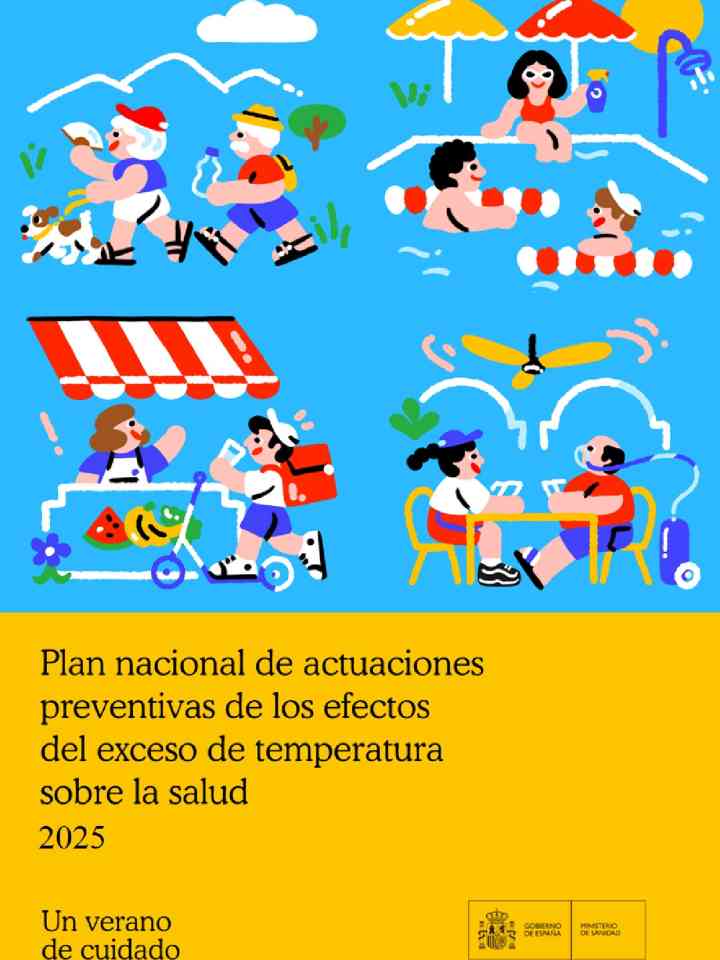
The Ministry of Health launched the National Plan for Preventive Actions on the Health Effects of Excessive Temperatures in 2004. Since then, the Plan has been activated every summer from June to September.
This document details the evaluation process carried out within the current Spanish National Climate Change Adaptation Plan (PNACC in Spanish) in order to assess the progress achieved, the pending challenges and the lessons learned.
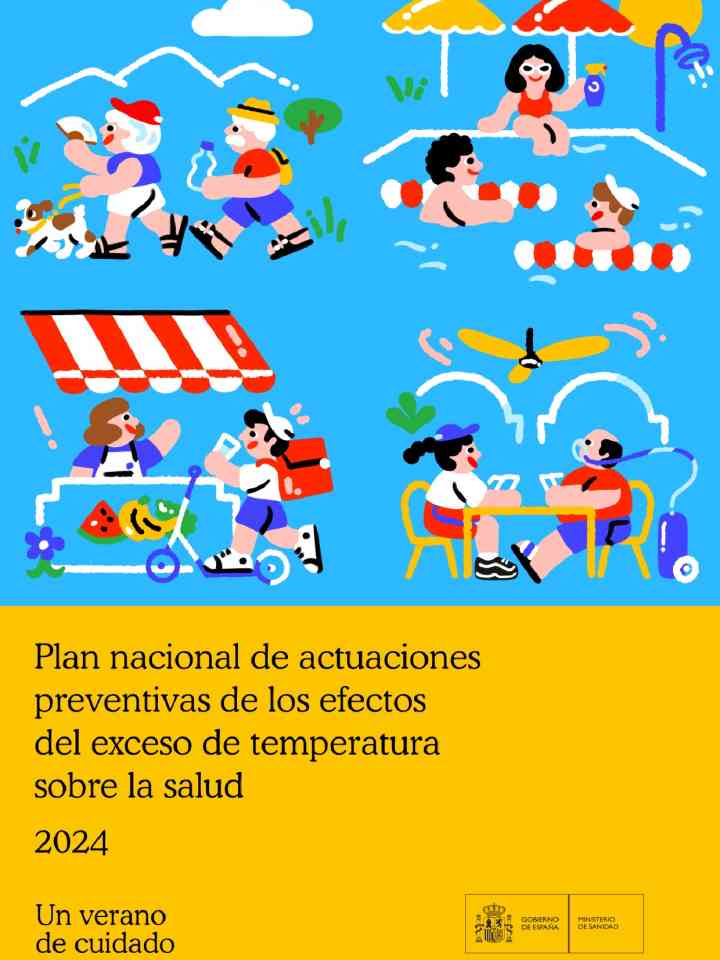
Since 2004, the National Plan Heat Action Plan has been activated every summer, between the months of June and September.
The Action Plan to Prevent the Effects of Heatwaves on Health (POCS) is a comprehensive strategy developed by the Public Health Agency of Catalonia.
The National Climate Change Adaptation Plan is a reference framework for the co-ordination of the Public Administrations in the activities of impact assessment, vulnerability studies and adaptation to climate change in Spain.
Voluntary Commitments
The organization has no registered commitments.
The Sendai Framework Voluntary Commitments (SFVC) online platform allows stakeholders to inform the public about their work on DRR. The SFVC online platform is a useful toolto know who is doing what and where for the implementation of the Sendai Framework, which could foster potential collaboration among stakeholders. All stakeholders (private sector, civil society organizations, academia, media, local governments, etc.) working on DRR can submit their commitments and report on their progress and deliverables.