
Mission
The Youth Innovation Lab's mission is to empower youth through technology, innovation, and data-driven solutions that strengthen disaster resilience, climate action, digital literacy, and entrepreneurship, while fostering inclusive civic engagement and sustainable development in Nepal and beyond.
1. Digital Disaster Information Systems
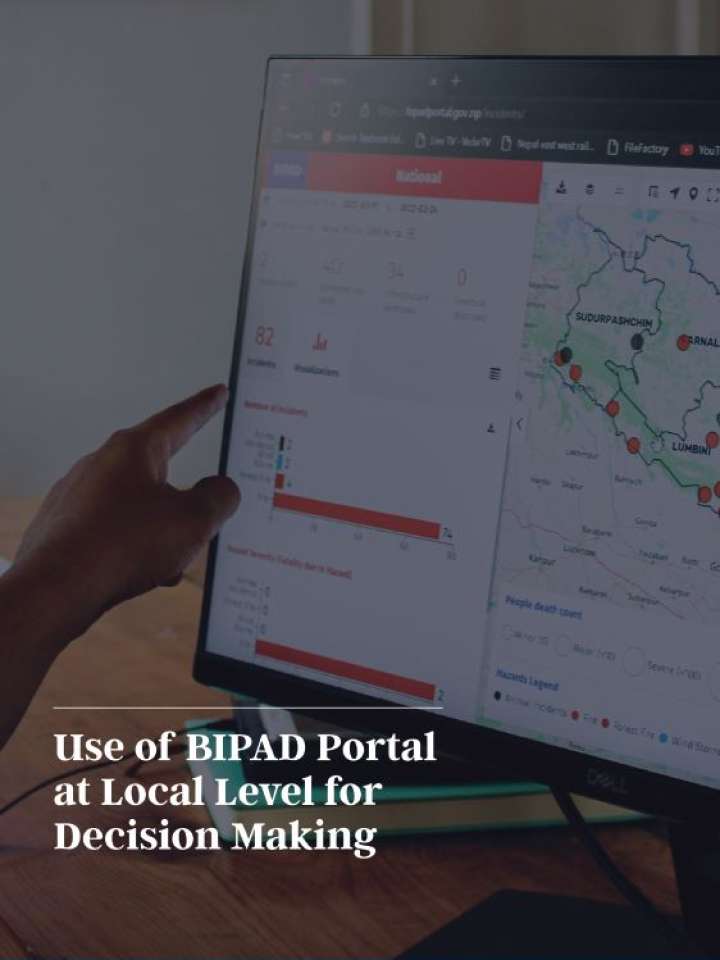
Bipad Portal (Technical Partner for Government of Nepal, Ministry of Home Affairs, National Disaster Risk Reduction and Management Authority for the development of integrated Disaster Information Management System)
- National disaster information management platform
- Real-time hazard, loss, and damage data integration
- Multi-hazard risk visualization dashboards
- Municipal to federal-level coordination support
RiskAI (YI-Lab's in-house initiative on development of cutting edge tech)
- AI-driven flood & heatwave risk insights
- Student-friendly disaster learning interface
- Municipal-level data upload and policy tools
2. Geospatial Risk Mapping & Modeling
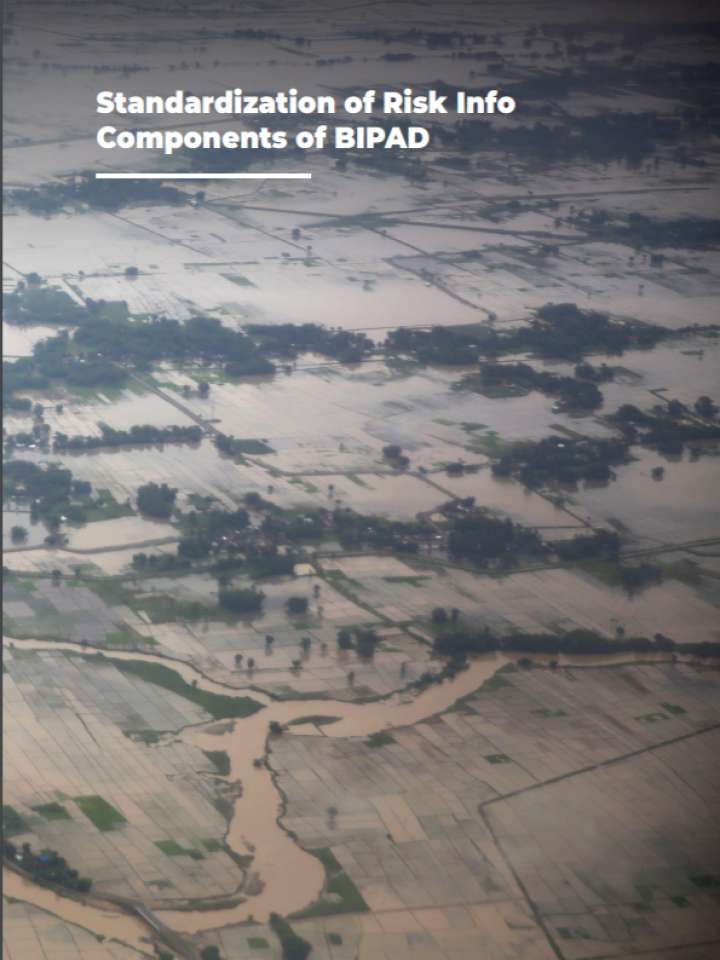
- Multi-hazard risk assessment (flood, landslide, heatwave)
- Exposure and vulnerability analysis
- Integration of satellite datasets (e.g., FAO ASIS)
- Spatial decision-support systems for municipalities
3. Capacity Building & Training
- DRR & GIS training for municipal officers
- Youth-led disaster data collection initiatives
- AI and geospatial bootcamps
- Media & Information Literacy (MIL) integration for risk communication
4. Research & Policy Support
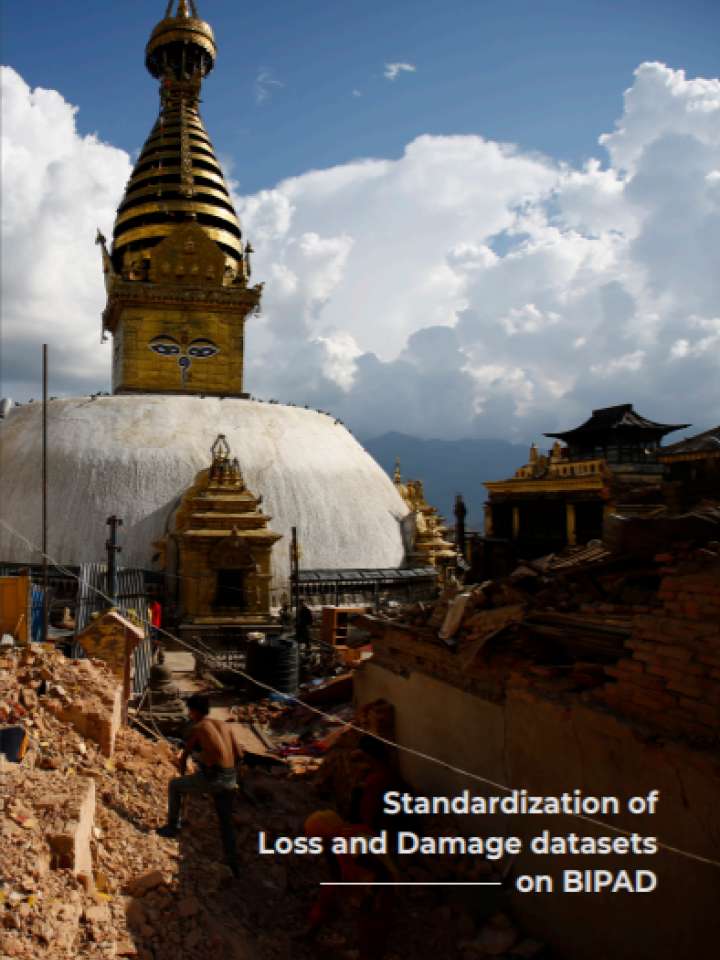
- Localization of Loss & Damage studies
- Climate-risk informed policy briefs
- Evidence-based disaster governance support
- Alignment with the Sendai Framework for Disaster Risk Reduction
5. Multi-Stakeholder Collaboration
- Partnerships with municipalities and federal agencies
- Collaboration with UN agencies (UNDRR, UNDP, UNESCO, FAO, WFP, etc.)
- Consortium-based climate risk research initiatives

Voluntary Commitments
The Sendai Framework Voluntary Commitments (SFVC) online platform allows stakeholders to inform the public about their work on DRR. The SFVC online platform is a useful toolto know who is doing what and where for the implementation of the Sendai Framework, which could foster potential collaboration among stakeholders. All stakeholders (private sector, civil society organizations, academia, media, local governments, etc.) working on DRR can submit their commitments and report on their progress and deliverables.