Items: 58
New research identifies 20 best practices for designing and building new residential communities that are more flood resilient. Included are building in areas that are not in floodways, increasing storm-sewer capacity, and designing streets to channel rainfall away from homes to safe discharge areas.
A computer modeling of a flooded subway station found overall survival rates were substantially higher when strong people in a 30-member group reached safety themselves before trying to help weaker people. The study further showed that design features including handrails and raised areas on stairs also markedly increased the chances of survival.

This report presents the findings of a national survey, which gathered the opinions of 2,300 individuals from across the country who live in communities with high flood risk. The findings reveal that homeowners lack awareness of flood risk an
Nearly all Canadians living in high-risk flood areas not only don’t know it, but are increasingly paying out of pocket for damage. Researchers at the University of Waterloo surveyed 2,300 homeowners who live in communities that the Government of Canada’s Flood Damage Reduction Program designated as flood-risk areas.
The second International Conference on Amphibious Architecture, Design and Engineering will be held at the University of Waterloo in Ontario, Canada from June 25 to 28, 2017.
This report assesses the preparedness of Canada’s provinces and Yukon to limit climate change related flood damage, relative to current (2016) and future (2030) major precipitation events.
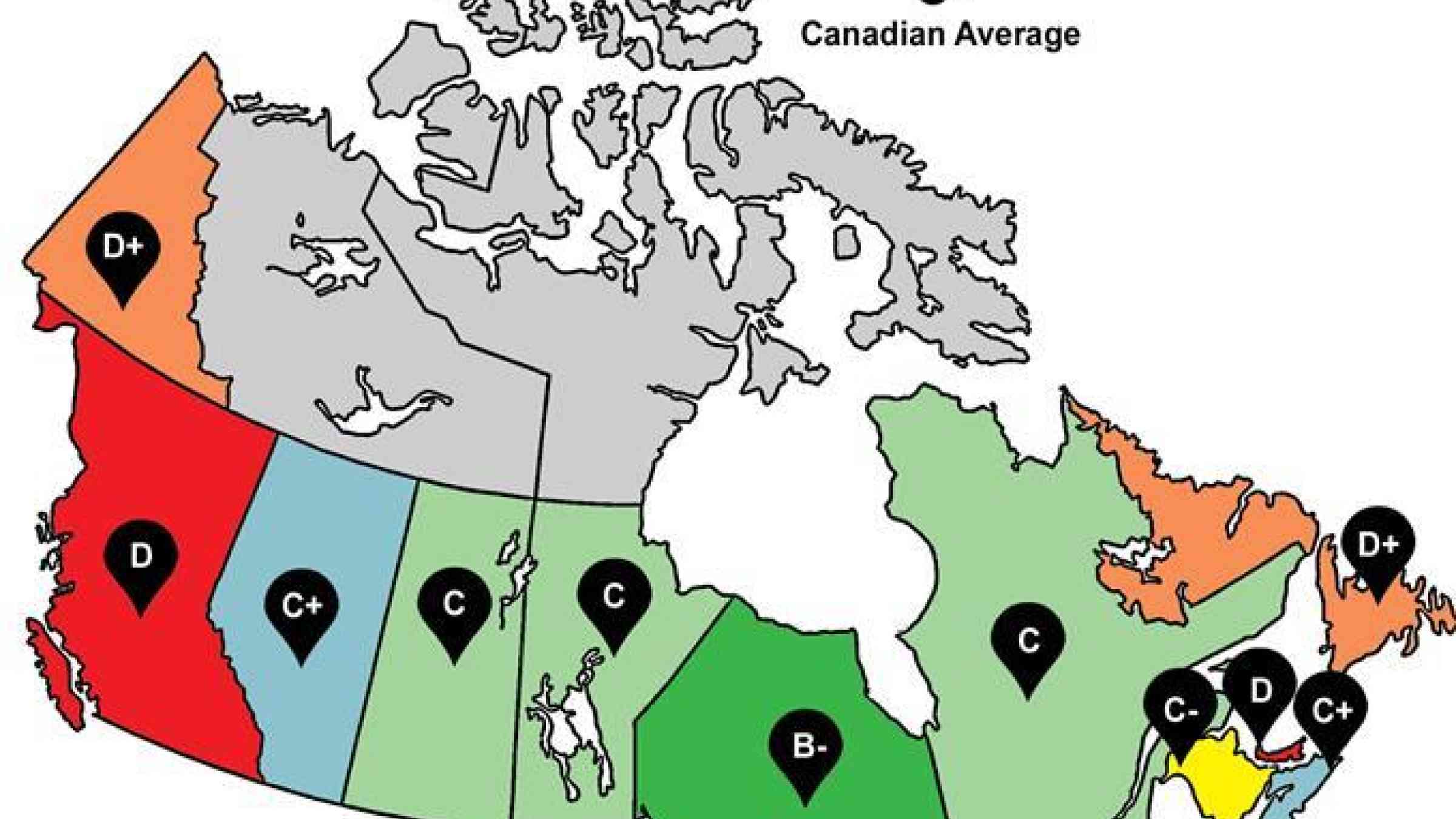
Startling results from a new report out of the Intact Centre on Climate Adaptation at the University of Waterloo find all 10 provinces and Yukon are not as prepared for floods as they could be. Using a scale from A to E, the average score of the 10 provinces and Yukon is C-, suggesting there is ample opportunity to limit future flood risk and prompting recommendations.
This survey report identifies policy measures and initiatives in Canada to reduce the impact of climate change, extreme weather and urban flood risk.
Voluntary Commitments
The Sendai Framework Commitments (SFVC) online platform serves to incentivize stakeholders to inform the public about their work, to provide a vehicle for sharing commitments and initiatives and for motivation toward the implementation of the Sendai Framework. In turn, UNDRR can monitor and take stock of the progress and impact.
University of Waterloo is involved in the following commitments:
