Items: 58
A new report offers practical guidance to help Canadians living in forested and grassland regions to follow well-tested actions that can reduce the risk of their home burning by up to 75 per cent.
The planet experienced the hottest day on record earlier this month and climate projections estimate the intensity of heat waves and poor air quality will increase and continue to cause severe impacts.

New report identifies the top climate and extreme weather risks that affect a company’s performance.
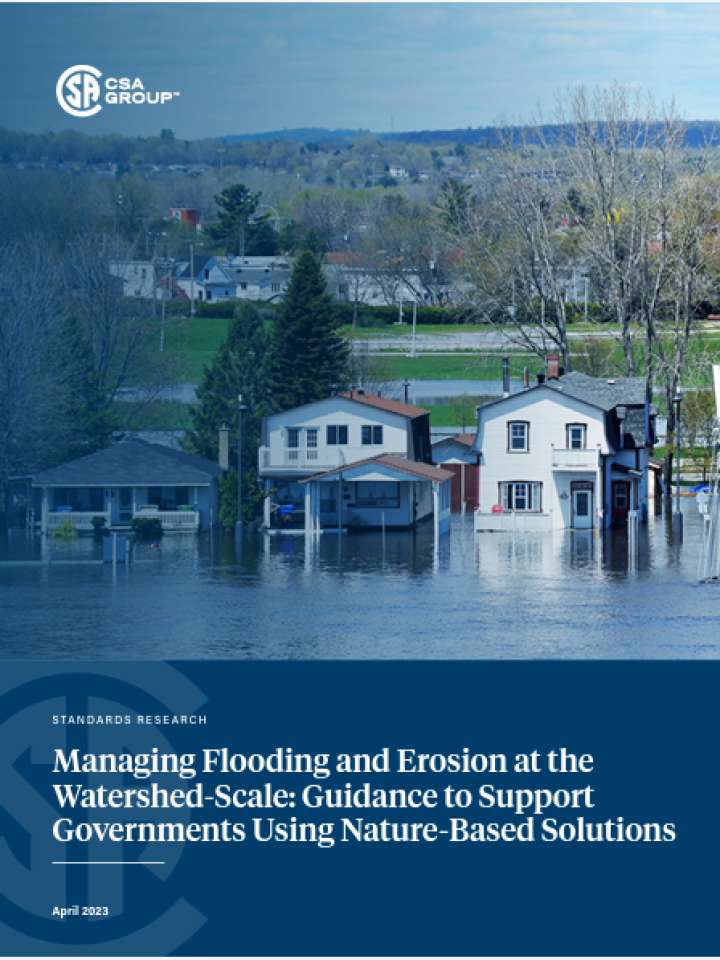
The key aim of this research report is to identify best practices and recommendations for all levels of government, specifically to support river flood and erosion management at the watershed-scale, including the use of NbS.
University of Waterloo’s Intact Centre on Climate Adaptation provides practical guidance for federal, provincial, local, and Indigenous governments to tackle river flooding
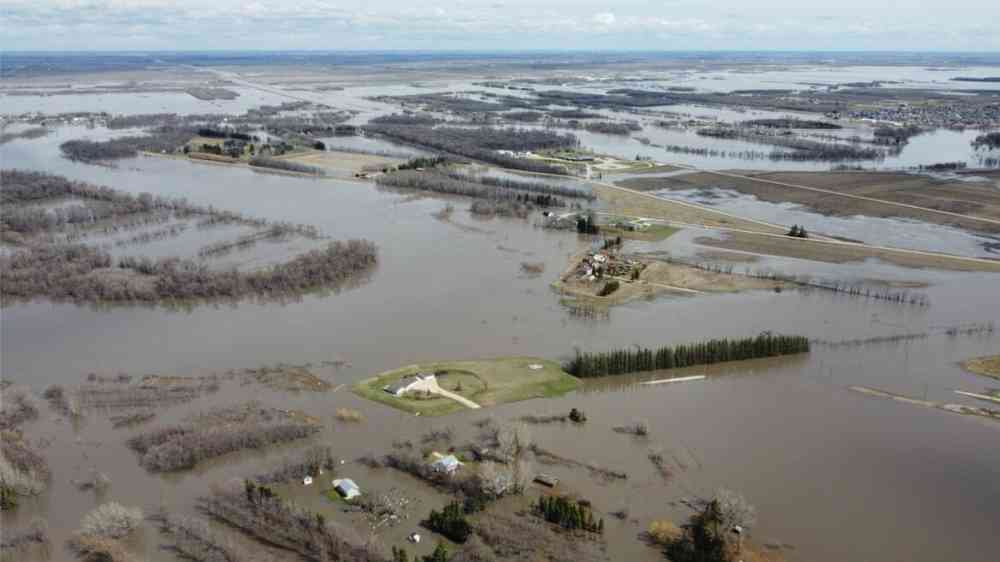
Traditionally-recognized socially vulnerable groups in Canada bear a disproportionate burden of flood risks.
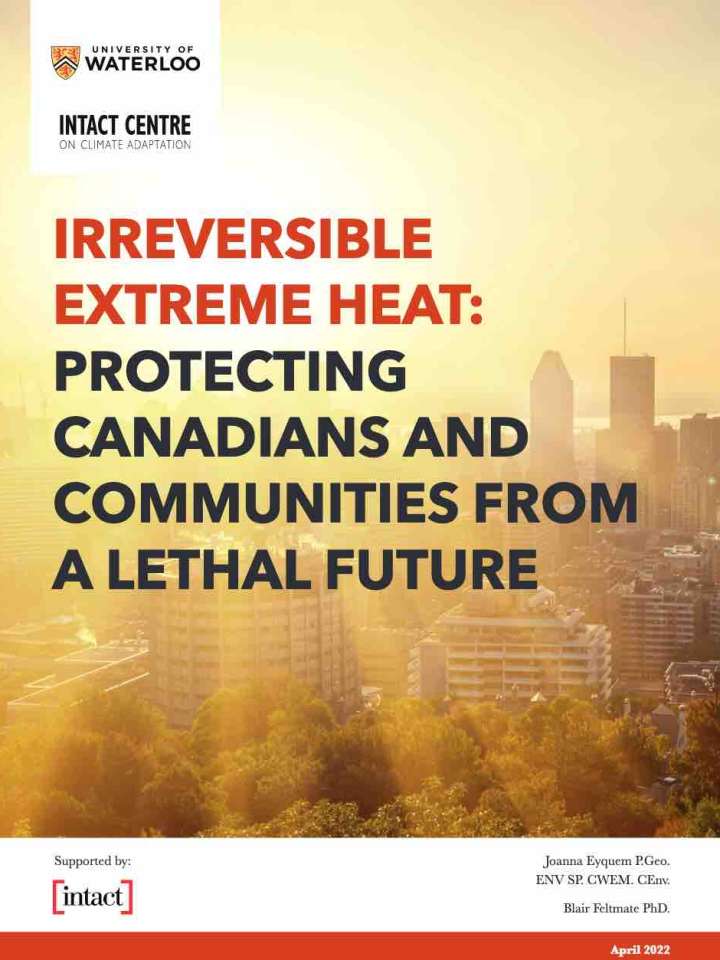
This guide presents a compendium of practical actions that Canadians can undertake to reduce risks in relation to extreme heat that fall into three categories: changing behaviour, working with nature, improving buildings and public infrastructure.
A new report warns extreme heat is set to cause devastating climate-related suffering in Canada, that if left unchecked, will surpass the 595 heat-related fatalities reported by British Columbia’s coroner in 2021, and 86 lives lost in Quebec in 2018.
Voluntary Commitments
The Sendai Framework Commitments (SFVC) online platform serves to incentivize stakeholders to inform the public about their work, to provide a vehicle for sharing commitments and initiatives and for motivation toward the implementation of the Sendai Framework. In turn, UNDRR can monitor and take stock of the progress and impact.
University of Waterloo is involved in the following commitments:
