Items: 40
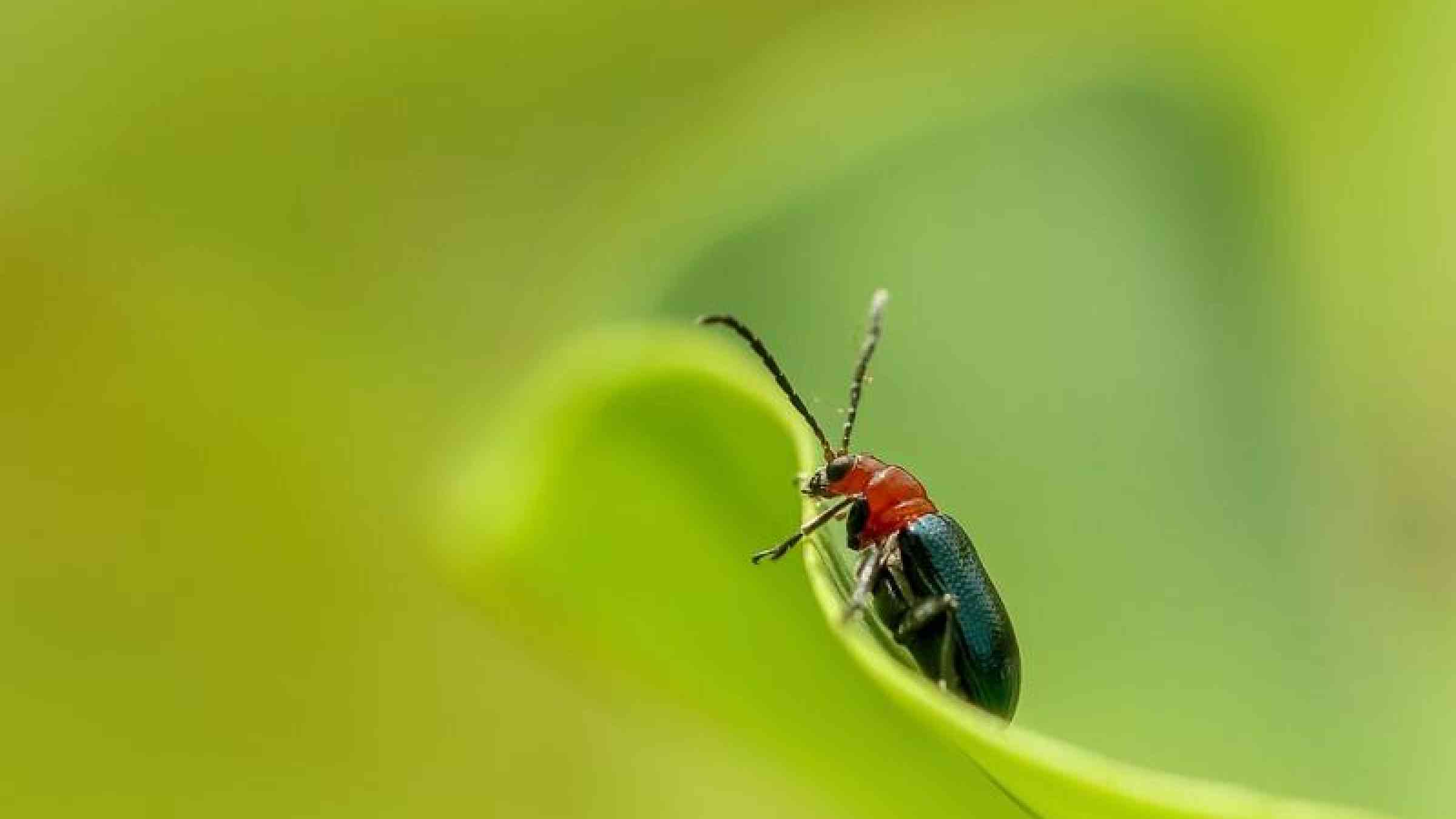
Insects and diseases that damage crops are probably present in many places thought to be free of them, new research shows.
Modern critical infrastructures such as telecommunication networks, electric power generation and transmission, water supply systems, transportation, and emergency services are now the components of a larger interconnected system.
This is the final report from EU-CIRCLE, a multidimensional project focusing on how to enhance resilience of critical infrastructures (CI) from climate change induced risks.
New research finds that across Europe and North America, storms that cause extreme weather conditions, such as flooding, could increase threefold by 2100 because of climate change, with the potential to wreak social and economic havoc. As the team used a "storm-centred" approach, the results are more consistent and are better-suited for adaptation planning.
New research finds that inequality of social opportunities and freedoms impedes populations from moving away or enacting other measures to respond to climate change. The evidence suggests that societies can adapt to climate change when rights, freedoms and opportunities are protected, leading to more sustainable rates of population growth and consumption.
New research shows that countries including China, Indonesia and Australia face a high threat of invasion by the fall armyworm because of their trade routes and climate conditions. Governments can limit the movement of invasive species across borders through proper quarantine regulation and inspection, and by ensuring food supply chains follow appropriate measures.
New research shows that potential changes in the frequency and intensity of storms off the coast of the UK and around the world could have a “catastrophic impact” on the livelihood of fishermen and sustainability of fishing industries, by making fishing more dangerous, displacing fish from their natural habitats and interfering with the ability of fish to breed.
Despite contributing the least to climate change, countries in southern Africa and South East Asia, amongst others, will experience the largest increase in temperature variability, while countries that have contributed more will see a decrease. Temperature variability is also associated with droughts, which can exacerbate the poverty already affecting these states.
Voluntary Commitments
The organization has no registered commitments.
The Sendai Framework Voluntary Commitments (SFVC) online platform allows stakeholders to inform the public about their work on DRR. The SFVC online platform is a useful toolto know who is doing what and where for the implementation of the Sendai Framework, which could foster potential collaboration among stakeholders. All stakeholders (private sector, civil society organizations, academia, media, local governments, etc.) working on DRR can submit their commitments and report on their progress and deliverables.
Contact information
Fax:
+7-95 300 8741