Items: 40
New research suggests that the geoengineering method of releasing sulphur dioxide into the atmosphere to reflect sunlight could also introduce its own new impacts by shifting global rainfall patterns. This could increase the risk of wildfires in some areas, according to the researchers.
Weather extremes caused by climate change could raise the risk of food shortages in many countries, new research suggests. The study, led by the University of Exeter, examined how climate change could affect the vulnerability of different countries to food insecurity – when people lack access to a sufficient quantity of affordable, nutritious food.
New research warns that applying geoengineering to reduce the effects of global warming could have a devastating effect on global regions prone to storms of prolonged droughts. The study suggests that injecting aerosols in the northern atmosphere would reduce tropical cyclone activity, but lead to an increased likelihood of drought in the Sahel.

Climate scientists have shown that the early mitigation needed to limit eventual warming below potentially dangerous levels has a climate ‘payback’ much earlier than previously thought. It would take less than 20 years in many regions for the risk of extreme seasonal temperatures to halve following the start of aggressive emissions reductions.
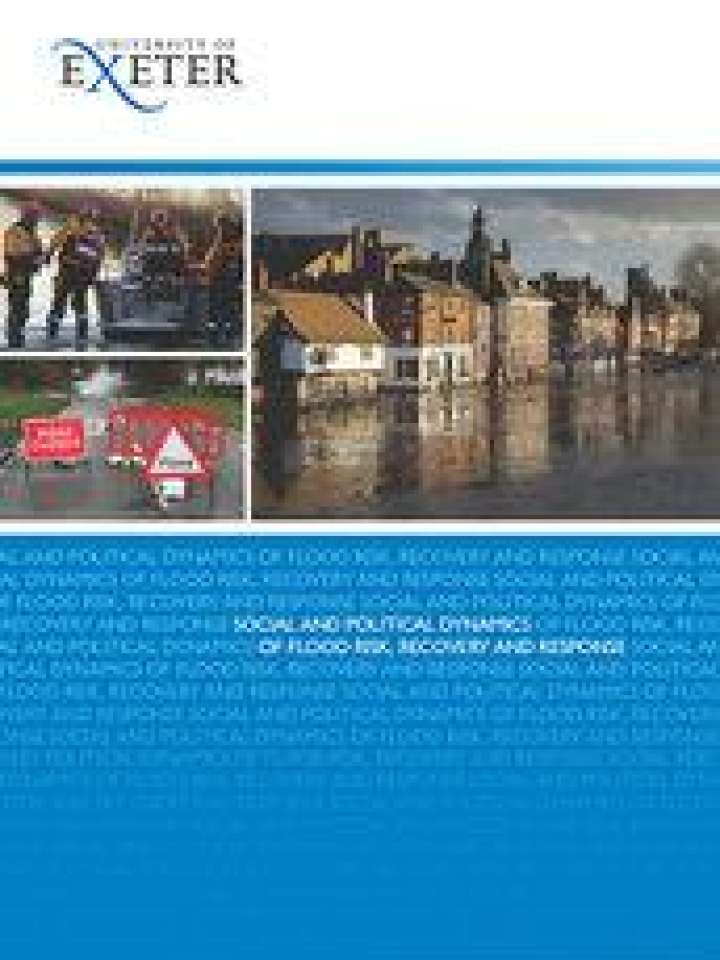
This report sets out key insights and findings from a major research project focussed on the social and political dynamics of flood events.
Flooding puts huge pressure on national economies, cities, communities and individuals alike.
The symposium will provide a forum for the exchange of experiences and ideas on the use of weather radar in hydrology.

Climate change could cause increasing and unpredictable hazard risks in mountainous regions, according to a new study by the University of Exeter and Austrian researchers...
Voluntary Commitments
The organization has no registered commitments.
The Sendai Framework Voluntary Commitments (SFVC) online platform allows stakeholders to inform the public about their work on DRR. The SFVC online platform is a useful toolto know who is doing what and where for the implementation of the Sendai Framework, which could foster potential collaboration among stakeholders. All stakeholders (private sector, civil society organizations, academia, media, local governments, etc.) working on DRR can submit their commitments and report on their progress and deliverables.
Contact information
Fax:
+7-95 300 8741