Items: 48
Despite all of the recent rain in California, the Los Angeles region still faces the effects of the megadrought.The combination of droughts and high temperatures are especially damaging to trees, which can play a key role in moderating extreme heat.
Latest research suggests that disaster planning assessments should include whether a fault is able to produce supershear quakes, which are potentially more destructive than other types.

Research suggests rising temperatures could disrupt sleep and blunt immune response, UCLA Health researcher finds.
Across the country, thermostats are rising into previously unimagined realms. It’s been a summer of record-setting heat across Europe and the United States, including California. Climatologists don’t expect them to be record highs for long.
Increased runoff could lead to devastating landslides and debris flows — particularly in hilly areas burned by wildfires.
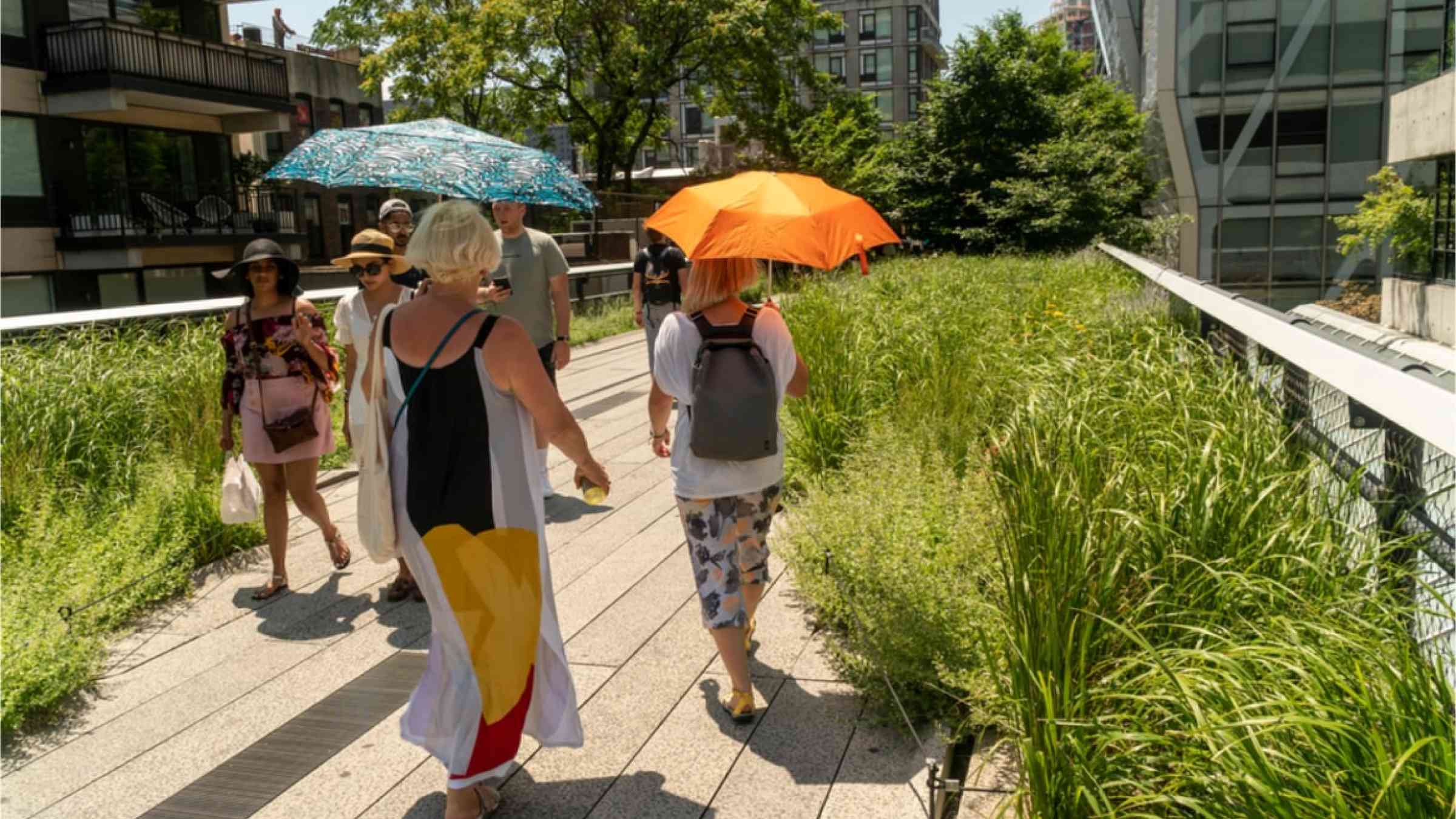
UCLA-led analysis highlights gaps in municipal planning for often dangerous heat
Climate disruption has arrived, bringing challenges that once seemed unimaginable: wildfires so large and hot that they create their own weather, record-breaking heat waves and a vanishing Sierra snowpack.
Research by scientists from UCLA and Lawrence Livermore National Laboratory bolsters the case that climate change has been the main cause of the growing amount of large wildfires in the western U.S. over the past two decades.
Voluntary Commitments
The organization has no registered commitments.
The Sendai Framework Voluntary Commitments (SFVC) online platform allows stakeholders to inform the public about their work on DRR. The SFVC online platform is a useful toolto know who is doing what and where for the implementation of the Sendai Framework, which could foster potential collaboration among stakeholders. All stakeholders (private sector, civil society organizations, academia, media, local governments, etc.) working on DRR can submit their commitments and report on their progress and deliverables.