Items: 47
This article presents estimated economic impacts of L.A. wildfires in January 2025.
Here are some key takeaways addressing air quality, safe post-fire cleanup, disaster preparedness and mental health effects related to the fires.
UCLA study shows systemic inequalities and redlining practices contributed to fire vulnerability and impacts. It notes that Black residents impacted by the Eaton fire faces unique challenges that require tailored solutions to address these issues.
Far from burn zones, especially for renters and those with iffy credit, money troubles follow fires.
Thousands of Southern Californians were displaced after wildfires ripped through their neighborhoods, destroying their homes and entire communities. As the road to recovery looms, questions already abound over the rebuilding process.

UCLA experts can provide key perspectives on the wildfires and their impacts on the people, communities and future of Los Angeles County.
A new data brief underscores urgent disparities in health, economic vulnerability and preparedness disproportionately impacting Latino and other underserved communities across Los Angeles County and neighboring communities.
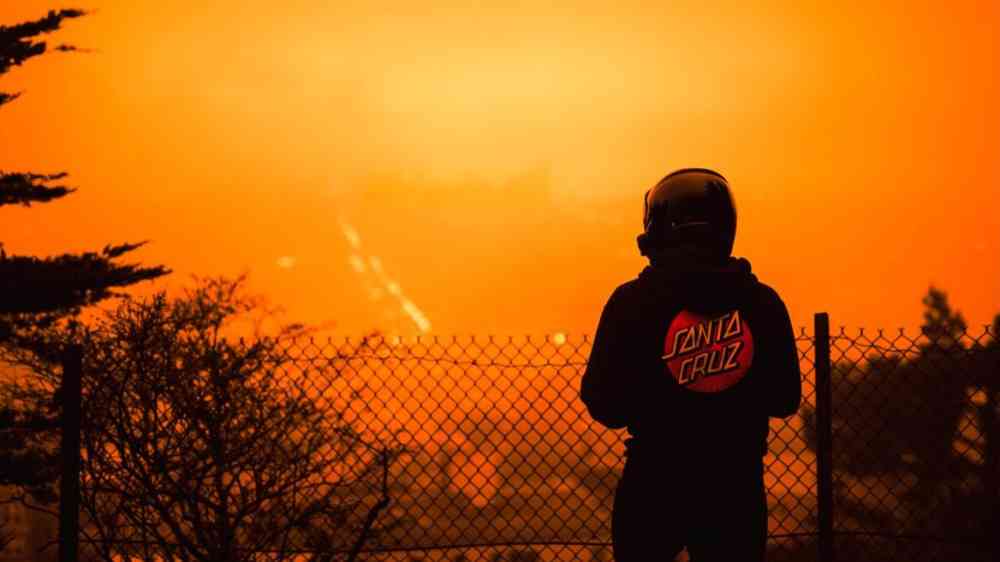
New research links intensifying wet and dry swings to the atmosphere’s sponge-like ability to drop and absorb water.
Voluntary Commitments
The organization has no registered commitments.
The Sendai Framework Voluntary Commitments (SFVC) online platform allows stakeholders to inform the public about their work on DRR. The SFVC online platform is a useful toolto know who is doing what and where for the implementation of the Sendai Framework, which could foster potential collaboration among stakeholders. All stakeholders (private sector, civil society organizations, academia, media, local governments, etc.) working on DRR can submit their commitments and report on their progress and deliverables.