
Items: 38
UC Irvine study finds those in underserved communities can reach burn-risk temps.
Climate change is reducing the nutritional quality of everyday foods and disrupting supplies, increasing health risks for vulnerable communities. UC Irvine experts say supplements may help fill gaps but are no substitute for broader food‑system solutions.
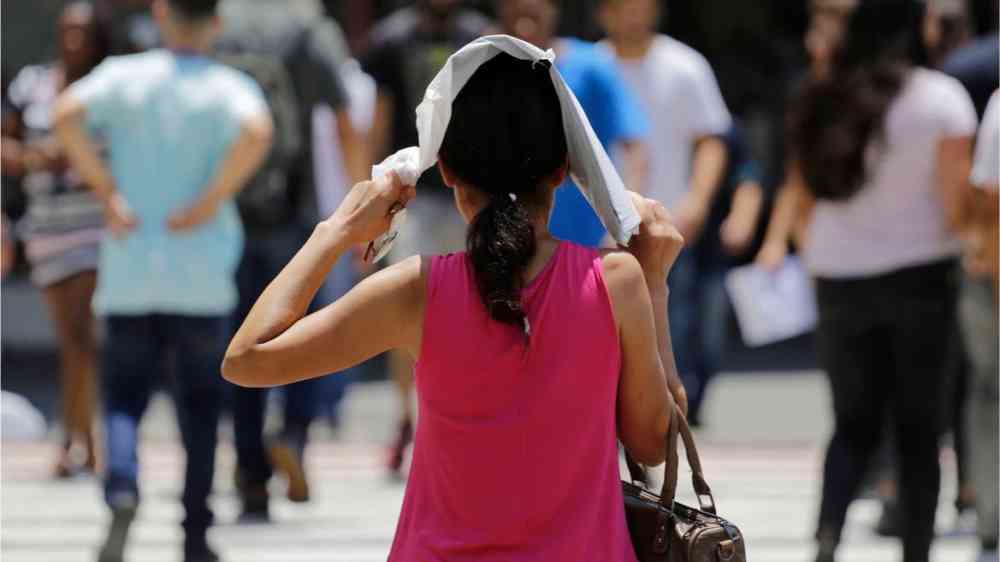
Machine learning-based approach can help inform targeted public health interventions.
Researchers have identified stormlike circulation patterns beneath Antarctic ice shelves that are causing aggressive melting, with major implications for global sea level rise projections.
Join an open seminar with the authors of "A Call for Multilingual Inclusiveness in Science and Disaster Research," recently published in the Journal of Disaster Studies (JDS).
A study highlights the need for improved wildfire preparedness tailored to disadvantaged communities in unincorporated areas of the Eastern Coachella Valley and identifies effective ways to bridge critical communication gaps.

In a new paper in the American Geophysical Union journal Earth’s Future, researchers at UC Irvine and the U.K.’s University of Bristol suggest that outdated “bathtub modeling” of flood risk is limited in its ability to capture six key factors.
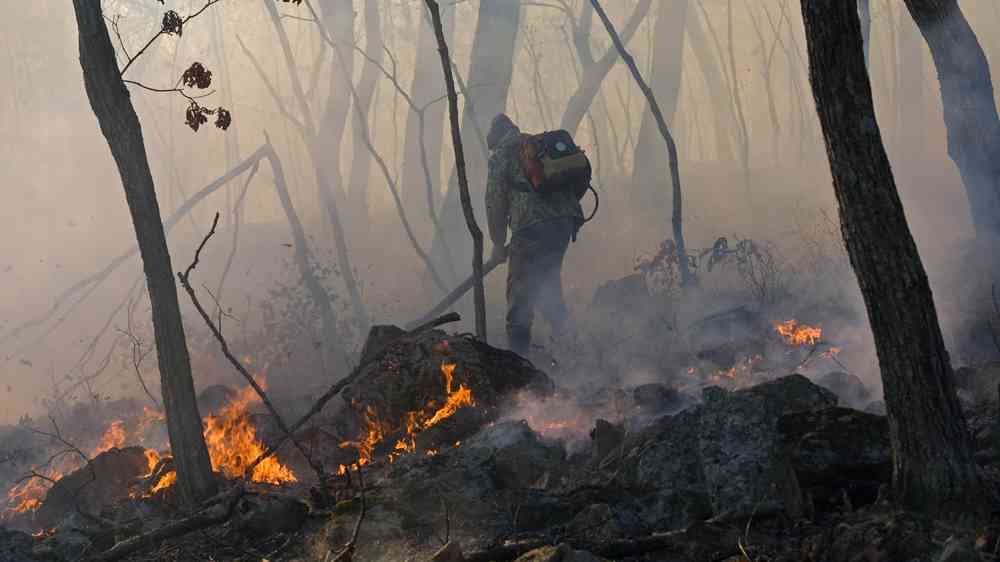
Live field experiments in Sierra Nevada mountains are first of their kind
Voluntary Commitments
The organization has no registered commitments.
The Sendai Framework Voluntary Commitments (SFVC) online platform allows stakeholders to inform the public about their work on DRR. The SFVC online platform is a useful toolto know who is doing what and where for the implementation of the Sendai Framework, which could foster potential collaboration among stakeholders. All stakeholders (private sector, civil society organizations, academia, media, local governments, etc.) working on DRR can submit their commitments and report on their progress and deliverables.