Items: 218
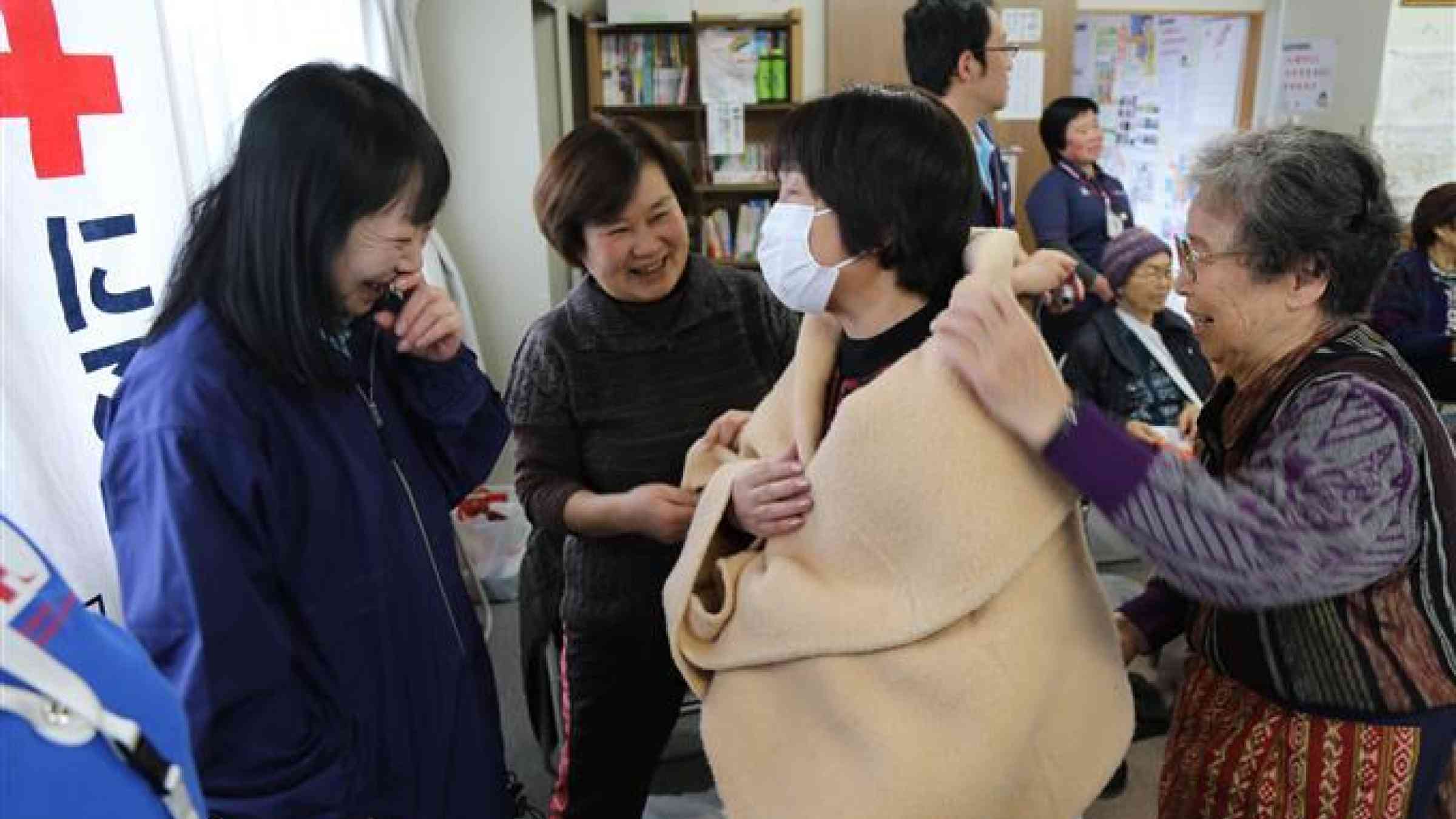
Japan’s initiative to raise the awareness of the risks posed by tsunamis will this weekend mark a milestone when World Tsunami Awareness Day makes its debut on 5 November – an occasion that goes beyond paying tribute to the victims of tsunamis. The date was selected as a ‘forward-looking’ day when many lives were saved due to proactive actions by Japanese village leader.
Countries in the south-east Asian sub-region have agreed to establish a dedicated funding stream to build preparedness for health emergencies in the region, one of the most disaster-prone in the world. As part of the South-East Asia Regional Health Emergency Fund (SEARHEF), the funding stream will change from only disbursing funds after a disaster has taken place.
Addressing the First Meeting of Ministers and High-Level Authorities on the Implementation of the Sendai Framework for Disaster Risk Reduction 2015-2030 in the Americas, Special-Representative of the UN Secretary-General for Disaster Risk Reduction Robert Glasser called for greater efforts to reduce financial damage and to lessen social vulnerabilities.
The United Nations is seeking to drastically reduce the number of people affected by natural and man-made disasters from the 100 million who suffered last year. Experts are meeting in Asuncion, Paraguay on June 8-9 to discuss how to reduce the risks of disasters in the Americas and to consider how the Sendai Framework for Disaster Risk Reduction can be best implemented.
The head of the United Nations Office for Disaster Risk Reduction today welcomed the resolution adopted by the General Assembly recognizing 5 November as World Tsunami Awareness Day. Margareta Wahlström, the Secretary-General’s Special Representative for Disaster Risk Reduction welcomes the designation of the day as a “welcome step.”
Three days before the opening of the Third World Conference on Disaster Risk Reduction, the head of the United Nations office dedicated to dealing with the threat posed by disasters took part today in a ceremony of solemn remembrance in Tokyo for those who died in the Great East Japan Earthquake and Tsunami of 11 March 2011.
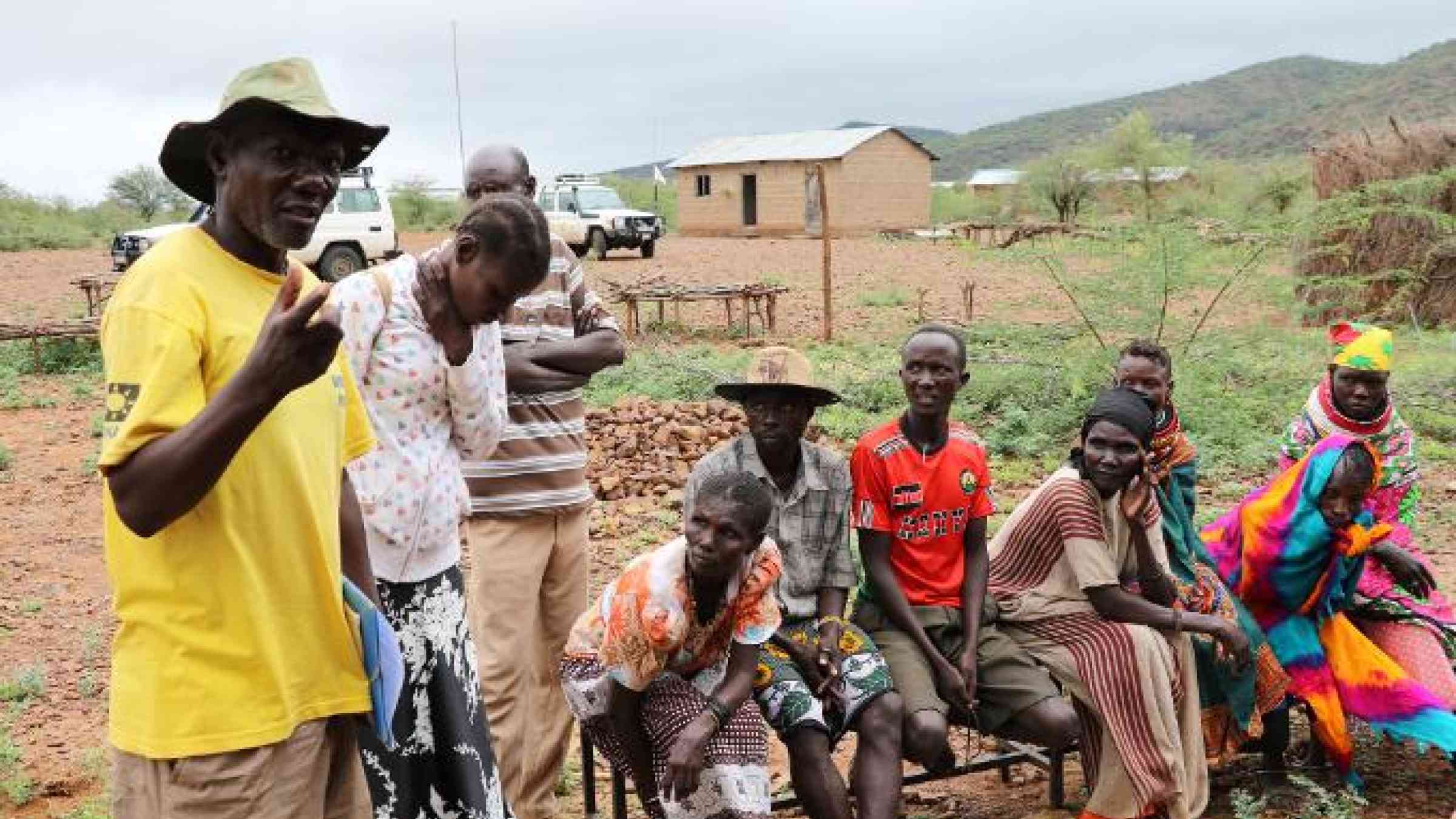
As UN Member States prepare for the signing of the Paris Agreement, back in Fiji, residents are clearing debris and recovering from one of the region's fiercest storms. For its recovery, Fiji will follow the Sendai Framework for Disaster Risk Reduction 2015-2030, which recognizes the primary role of the State to reduce disaster risk, but also the responsibility shared by the local government, the private sector and other stakeholders.
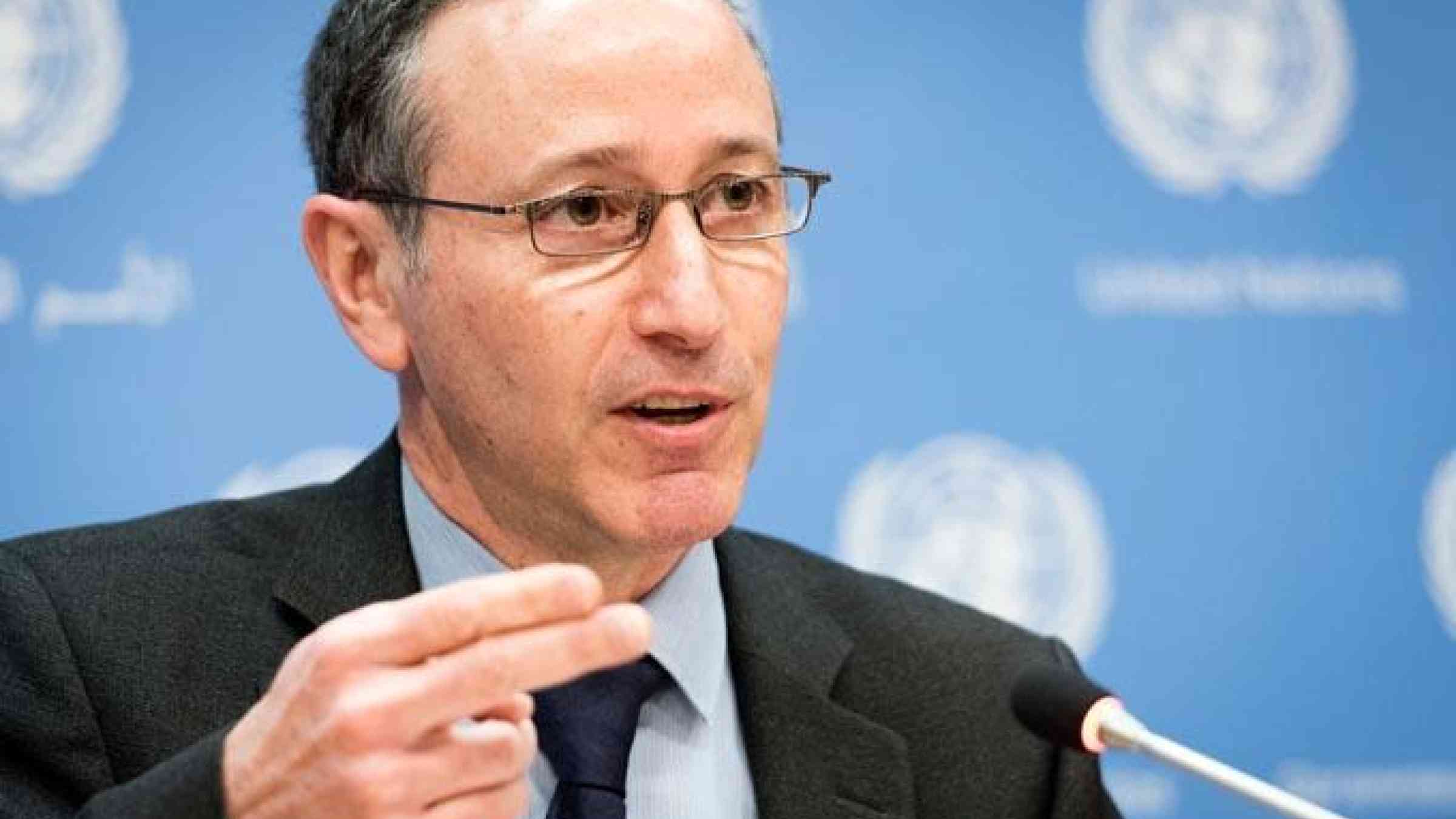
Robert Glasser, head of the UN Office for Disaster Reduction stresses the need for integrating disaster risk reduction and climate change adaptation efforts, particularly given that 90 per cent of disasters are now climate-related. He outlines the current priorities are in the area of disaster risk reduction and discusses what motivated him to accept his current post.
Voluntary Commitments
The organization has no registered commitments.
The Sendai Framework Voluntary Commitments (SFVC) online platform allows stakeholders to inform the public about their work on DRR. The SFVC online platform is a useful toolto know who is doing what and where for the implementation of the Sendai Framework, which could foster potential collaboration among stakeholders. All stakeholders (private sector, civil society organizations, academia, media, local governments, etc.) working on DRR can submit their commitments and report on their progress and deliverables.