Items: 218
La Niña is expected to impact weather around the world in 2018, a United Nations relief official said, urging governments and the international community to act early to mitigate the impacts from this potentially destructive weather pattern and its counterpart, El Niño.
United Nations Secretary-General António Guterres calls for mobilizing support for the reconstruction of communities hit by the Atlantic hurricanes of 2017. The economic ramifications of the 2017 hurricane season highlight the need for more coordinated risk sharing in order to build resilience in low- and middle-income countries.
Adverse climatic conditions, a sluggish global economy and conflicts are key factors driving food insecurity in sub-Saharan Africa, the United Nations agriculture agency said on Thursday. Chronic undernourishment appears to have risen from 20.8 to 22.7 per cent between 2015 and 2016 – pointing to the need to build affected communities' resilience and find peaceful solutions that strengthen food security.
The need to invest in resilient infrastructure and build back better has been increasingly highlighted after recent disasters including hurricanes and earthquakes. Based on lessons from previous disasters, the United Nations and their partners have received feedback on how they can work better together in helping countries reduce risk.
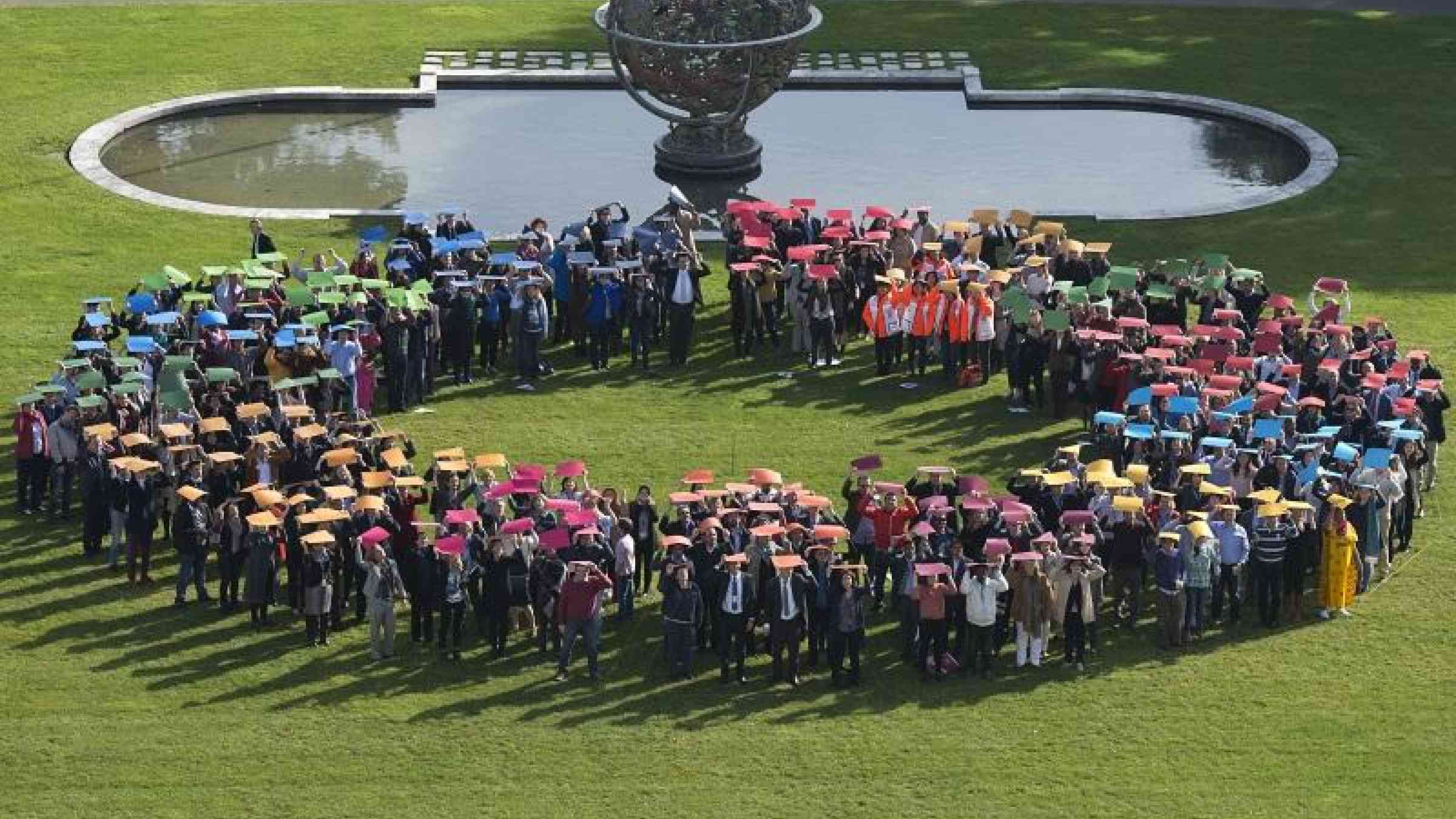
Economic losses from natural hazards are now reaching an average of $250 billion to $300 billion a year, with a disproportionate impact on small and vulnerable countries. If the world is to eradicate poverty, address climate change and build peaceful, inclusive societies for all by 2030, greater efforts are needed to accelerate progress on the Sustainable Development Goals (SDGs), according to a United Nations report.
“It’s inconceivable that we’ll achieve the SDGs [Sustainable Development Goals] if we don’t get a handle on reducing disaster risk, including climate risk,” Robert Glasser, the Special Representative of the Secretary-General for Disaster Risk Reduction, said in an interview with UN News.
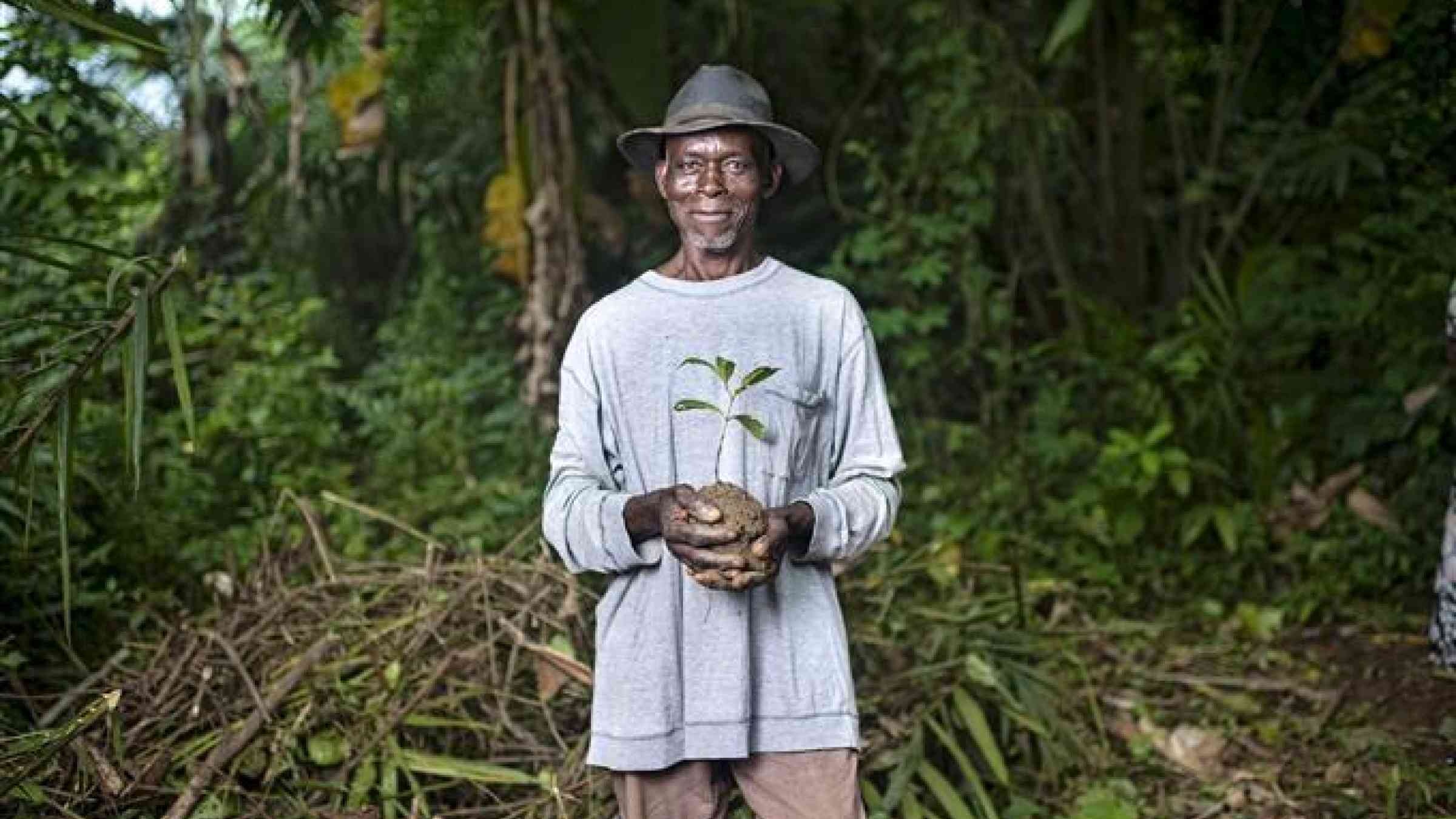
As the United Nations Climate Conference is under way, the UN is also seeking to build climate resilience through the Secretary-General Ban Ki-moon’s resilience initiative called A2R (Anticipate, Absorb, Reshape). The objective is to anticipate climate hazards and stresses; absorb shocks; and reshape development pathways to foster climate resilience.
A new report analyzing the global climate between 2011-2015 has found an increasingly visible human footprint on extreme weather and climate events. The United Nations News Centre spoke with the Secretary-General of World Meteorological Organization (WMO), on the state of the Earth’s weather and what it means to the people who inhabit the planet.
Voluntary Commitments
The organization has no registered commitments.
The Sendai Framework Voluntary Commitments (SFVC) online platform allows stakeholders to inform the public about their work on DRR. The SFVC online platform is a useful toolto know who is doing what and where for the implementation of the Sendai Framework, which could foster potential collaboration among stakeholders. All stakeholders (private sector, civil society organizations, academia, media, local governments, etc.) working on DRR can submit their commitments and report on their progress and deliverables.