
Items: 8
Climate change is leading to significant temperature increases in Singapore, as well as more frequent and intense extreme rainfall events.
China’s Sichuan earthquake this week suggests urgent scientific research and analysis are needed to understand if human activities have increased seismic activity.
Singapore has reached a new level of flood mitigation and preparedness thanks to its multi-pronged risk management, which helps ensure infrastructure resilience. While infrastructure and water management are vital, Singapore must respond to climate change by maintaining public awareness and education, and must also resist complacency by reviewing its policies.
'They didn’t need this, but it was inevitable, absolutely inevitable,' said Mr Richard Sharpe, a New Zealand earthquake engineer who led a team that formulated Nepal’s only set of building standards 20 years ago, reports Today. Authorities didn’t systematically implement its rules and guidelines, from basic building design to electrical wiring specifications, said Sharpe...
Wellington, New Zealand Mayor Wade-Brown highlights the need for disaster management and building of social capital by appreciating ethnic diversity, saying 'resilience is also about proper disaster management; social capital cannot be seen as a cheap way out of planning and building for disasters'. Wellington, prone to earthquakes and tsunamis, has strengthened its public buildings...

Presidents Jacob Zuma and Tarja Halonen suggest to strengthen resilience by promoting disaster risk reduction, adaptation and sound safety nets for the most vulnerable to tackle the massive challenge of retooling the global economy, preserving the environment and providing greater opportunity and equity to all...

Today Online reports that Singapore's Deputy Prime Minister Teo Chee Hean has highlighted terrorism, cyber attacks, 'natural' disasters and pandemics as key threats businesses must guard against...
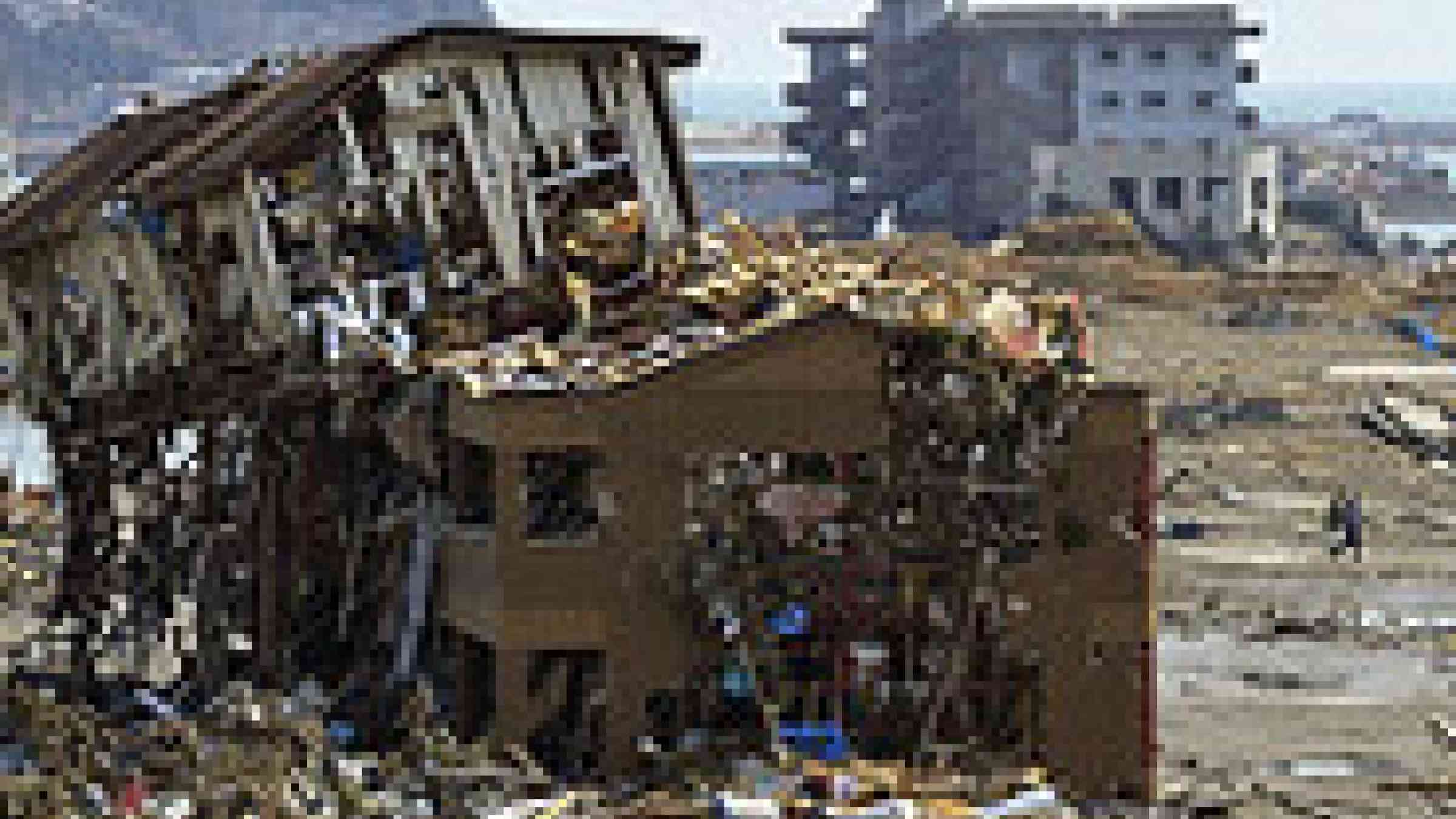
ASEAN finance ministers agreed Friday to speed up regional integration and pledged to press ahead with plans for a disaster insurance fund in the wake of Japan's tsunami disaster...
Voluntary Commitments
The organization has no registered commitments.
The Sendai Framework Voluntary Commitments (SFVC) online platform allows stakeholders to inform the public about their work on DRR. The SFVC online platform is a useful toolto know who is doing what and where for the implementation of the Sendai Framework, which could foster potential collaboration among stakeholders. All stakeholders (private sector, civil society organizations, academia, media, local governments, etc.) working on DRR can submit their commitments and report on their progress and deliverables.