Items: 32
With Jamaica Bay encompassing an array of climate challenges facing coastal cities, a new report details existing conditions, analyzes sea-levels and proposes solutions.

This report is based on the Head of Bay Coastal Resilience project, which aims to strengthen east Jamaica Bay’s flood resilience by providing actionable strategies for adaptation.
New Princeton research finds that rare 100-year floods in the U.S. could happen every one to thirty years along the southeast Atlantic and Gulf of Mexico shorelines.
Princeton University researchers have estimated the potential damage caused by back-to-back heat waves. Using computer simulations of the Earth's climate, they found that these so-called "compound heatwaves" will increase in frequency with climate change, and that they pose a threat especially to people who are already vulnerable to heat waves.
New research uses seismic floats dubbed MERMAIDs - Mobile Earthquake Recording in Marine Areas by Independent Divers - to find that volcanoes on Galápagos are fed by a source 1,900 km deep, via a conduit that brings hot rock to the surface. The MERMAIDS have allowed scientists to fill in one of the blank areas on the global geologic map, where no data is available.
Researchers have found that the urban heat island effect - cities are hotter in the summer than their surrounding areas - also helps keep cities warmer during extreme cold. The findings have implications for urban planners in areas such as New York City or Chicago, which experience marked seasonal temperature swings.
Targeted geoengineering to preserve continental ice sheets deserves serious research and investment, argues an international team of researchers in a Comment published March 14 in the journal Nature. Without intervention, by 2100 most large coastal cities will face sea levels that are more than three feet higher than they are currently.
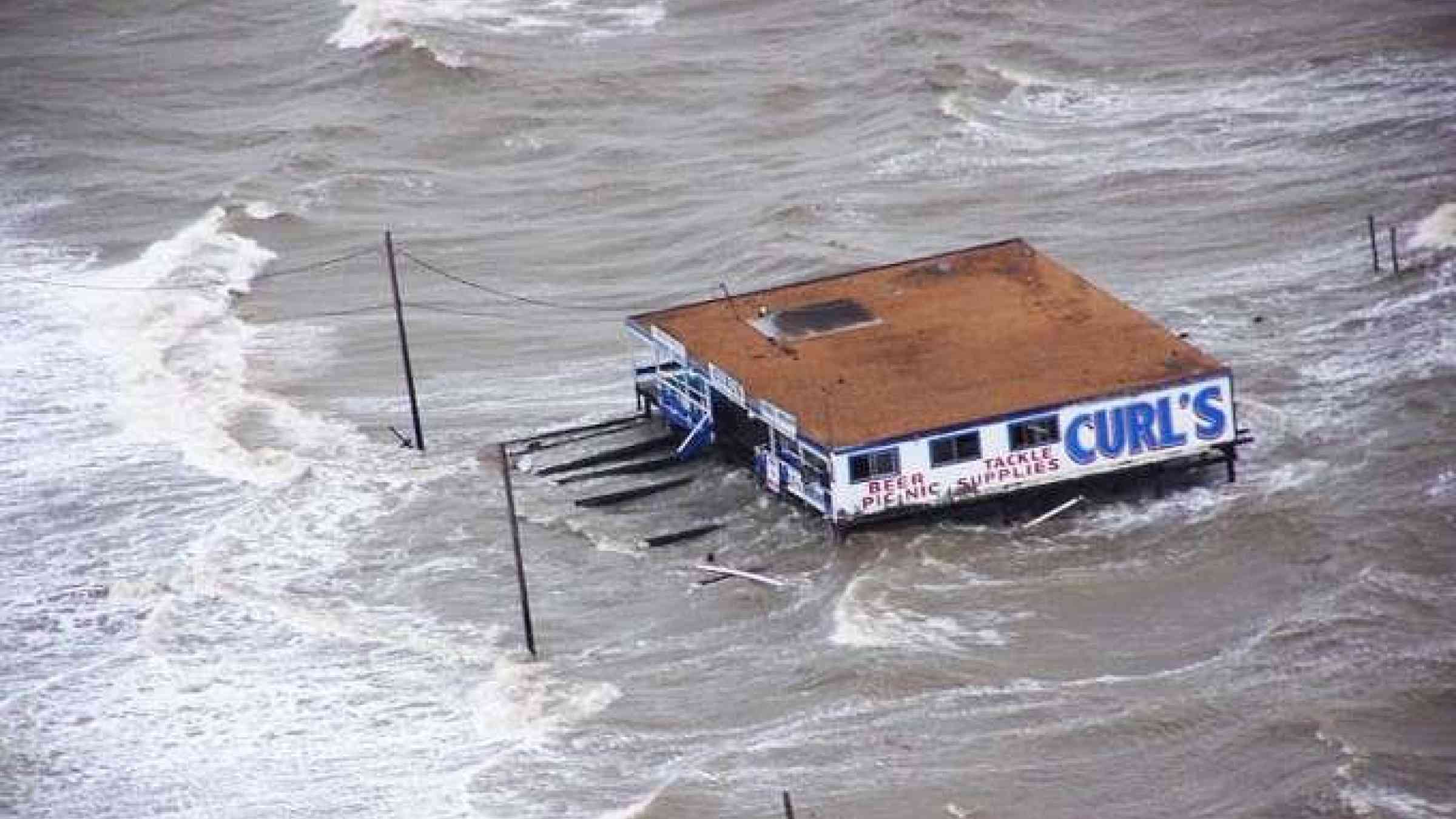
A new study finds that by 2150, the seemingly small difference between an increase of 1.5 and 2.0 C would mean the permanent inundation of lands currently home to about 5 million people, including 60,000 who live on small island nations. Even under the best-case climate policy being considered today, many places will still have to deal with rising seas and more frequent coastal floods.
Voluntary Commitments
The organization has no registered commitments.
The Sendai Framework Voluntary Commitments (SFVC) online platform allows stakeholders to inform the public about their work on DRR. The SFVC online platform is a useful toolto know who is doing what and where for the implementation of the Sendai Framework, which could foster potential collaboration among stakeholders. All stakeholders (private sector, civil society organizations, academia, media, local governments, etc.) working on DRR can submit their commitments and report on their progress and deliverables.
Contact information
Fax:
+421250944001